
Bird · GBIF taxon 5228072
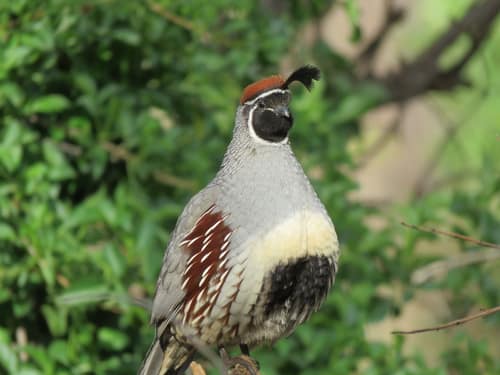
Gambel's Quail
Callipepla gambeliiAlso known as Desert Quail
Gambel's Quail move through arid southwestern brush in noisy social groups called coveys, foraging on desert seeds, succulents, and insects. Males display a striking comma-shaped black topknot feather on their forehead and call from exposed mesquite branches to guard their family group. During severe drought years, pairs forego breeding entirely until seasonal rains restore desert vegetation.
DesertSocialGround Bird
 1 / 7
1 / 7—observations
—countries
—peak records
Least ConcernConservation statusIUCN Red List categoriesLCNTVUENCREWEXLeast ConcernRed List categories, explained →
Diet & prey
- Legume seeds
- Cactus fruits
- Lupine foliage
Predators
- Coyotes
- Bobcats
- Cooper's Hawks
ThreatsSevere drought, habitat fragmentation, and extreme heat waves
HabitatsSonoran and Chihuahuan deserts, mesquite thickets, arid washes
Life span1–5 years
Size / weightNot available
Classification
- OrderGalliformes
- FamilyOdontophoridae
- GenusCallipepla
- SpeciesCallipepla gambelii
Range data is not available yet.
Interaction riskLow
- Low
- Moderate
- High
- Very high
- Why interaction risk is low
- Safe to observe at a normal distance.
Responsible observation
- Observation: Look for coveys foraging along wash margins in early morning or late afternoon.
- Behavior Cues: Watch for single adult sentinels posted on elevated branches while the rest feed.
- Distance: Give family groups space in early summer when tiny chicks follow parents on foot.
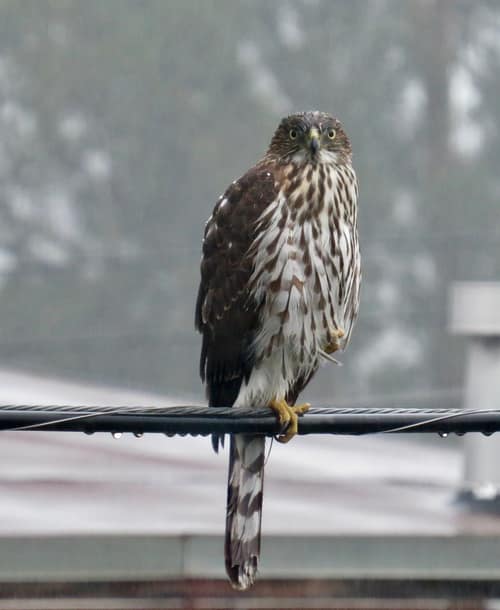
Predator "Cooper's Hawk - immature" by Kaaren Perry is licensed under CC BY 2.0. To view a copy of this license, visit https://creativecommons.org/licenses/by/2.0/. · cc-by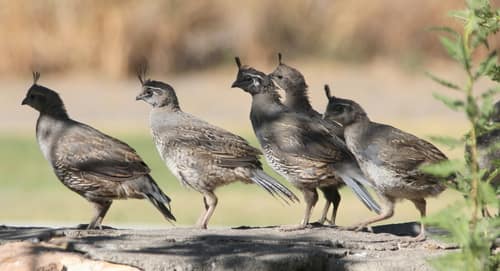
Close Relative (c) Millie Basden, some rights reserved (CC BY), uploaded by Millie Basden · cc-by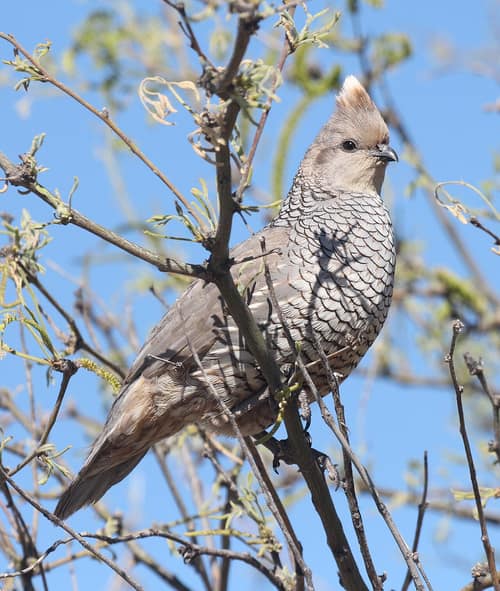
Close Relative ALAN SCHMIERER / CC0 · cc0
Help improve the field guideSomething wrong?
Checking your Fauna account…Report a name, category, or profile issue for review.