
Invertebrate · GBIF taxon 5227671
European Lancelet
Branchiostoma lanceolatumAlso known as Mediterranean Amphioxus, Amphioxus
European lancelets spend daylight hours buried backward in coarse seafloor sand, leaving only their anterior ends exposed to draw in seawater through a ring of sensory tentacles called oral cirri. Lacking a true brain, eyes, or vertebrae, these translucent marine creatures retain a flexible notochord throughout life and swim with fish-like undulating pulses when dislodged. Their primitive body plan makes them an invaluable living evolutionary link bridging invertebrates and vertebrates.
MarineBurrowingFilter Feeder
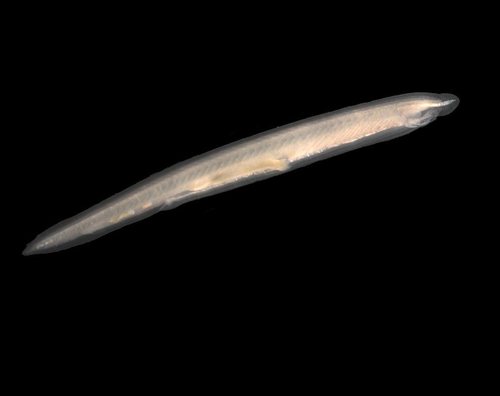
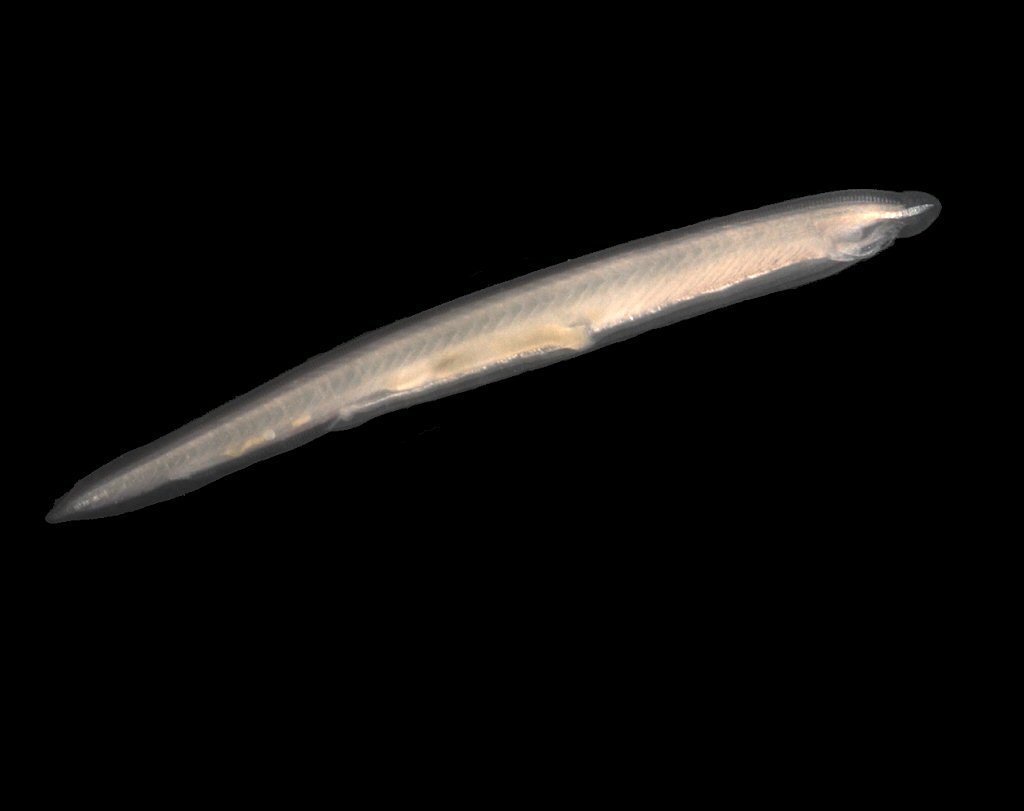
Licensed reference(c) Hans Hillewaert, some rights reserved (CC BY-SA) · cc-by-sa
—observations
—countries
—peak records
Not EvaluatedConservation statusIUCN Red List categoriesLCNTVUENCREWEXNot Evaluated — not placed on the risk ladderRed List categories, explained →
Diet & prey
- Diatoms
- Dinoflagellates
- Suspended organic detritus
Predators
- Bottom-feeding flatfish
- Benthic crabs
- Rays
ThreatsSeabed dredging, bottom trawling, and coastal sediment pollution
HabitatsShallow subtidal sandbars, coarse shell-gravel sediments, and coastal banks
Life span2–5 years
Size / weightNot available
Classification
- FamilyBranchiostomatidae
- GenusBranchiostoma
- SpeciesBranchiostoma lanceolatum
Range data is not available yet.
Interaction riskLow
- Low
- Moderate
- High
- Very high
- Why interaction risk is low
- Safe to observe at a normal distance.
Responsible observation
- Sediment Observation: Look for tiny slits in clean, coarse sublittoral sand where water currents are visible from their filtration.
- Gentle Handling: If sampled via sediment sieving for scientific study, return them promptly to undisturbed sand to prevent desiccation.
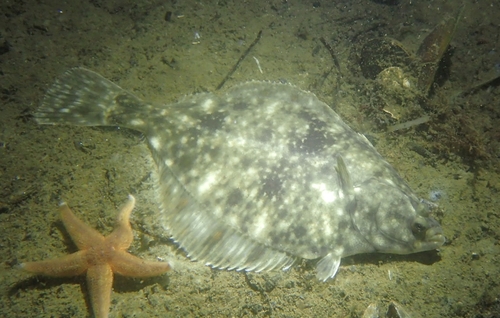
Predator (c) Micha Baum, bazı hakları saklıdır (CC BY-SA), yükleyen: Micha Baum · cc-by-sa Image unavailable
Close Relative Close Relative
Help improve the field guideSomething wrong?
Checking your Fauna account…Report a name, category, or profile issue for review.