Also known as Northern Tuatara, Brothers Island Tuatara
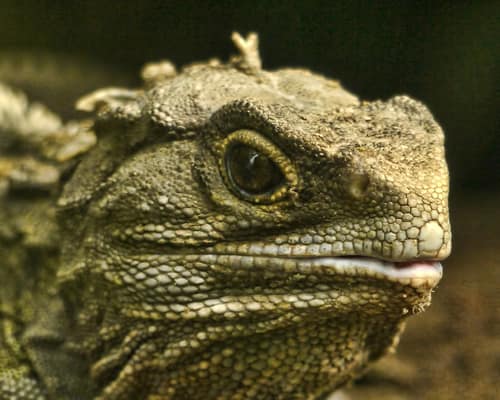
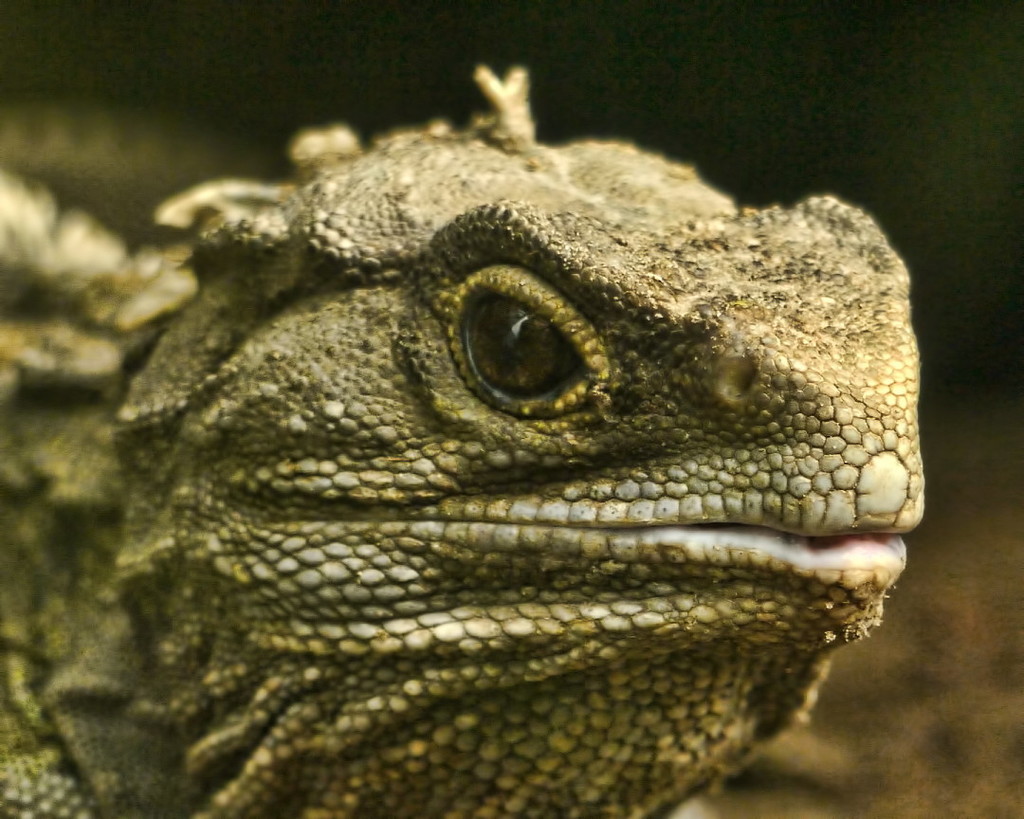
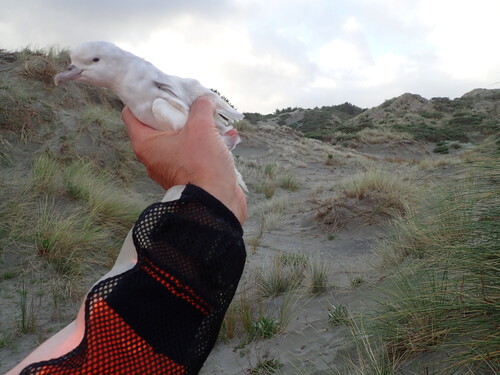
Tuatara are the sole surviving members of Rhynchocephalia, an ancient reptilian order that flourished alongside early dinosaurs over 200 million years ago. Adapted to cool maritime climates, they possess an exceptionally low metabolic rate and often share subterranean burrows with nesting seabirds like prions and petrels. Distinctive features include a prominent row of spiny crest scales along the spine and a parietal 'third eye' beneath the skin atop the head that assists in setting circadian rhythms.
Possesses powerful jaws capable of delivering a severe bite; observe calmly from marked tracks without approaching.
Why it is dangerous
Their unique double row of upper teeth shears directly over the lower jaw with immense clamping force, creating deep puncture wounds that are slow to release.
How to recognize a risky encounter
Look for a stocky, lizard-like silhouette with prominent spiky crest scales running along the neck and back.
What to do
Never attempt to touch or catch one; keep hands clear and allow them an unimpeded route to their burrow.
What to notice
Recognized by brownish-green to slate-grey pebbled skin, large dark eyes with vertical pupils, and dorsal spines.
Support conservation
Maintain a minimum distance of two meters, avoid shining bright white lights into their eyes, and leave all habitat features undisturbed.
Responsible observation
Observation Timing: Search gently with a red-filtered flashlight on calm, humid nights around burrow entrances.
Sanctuary Etiquette: Remain strictly on designated boardwalks to avoid collapsing delicate burrows hidden beneath leaf litter.
Basking Habits: Check sunny clearing edges during cool mornings where individuals warm up before retreating underground.