
Reptile · GBIF taxon 5227128
Blunt-nosed Leopard Lizard
Gambelia silaAlso known as San Joaquin Leopard Lizard
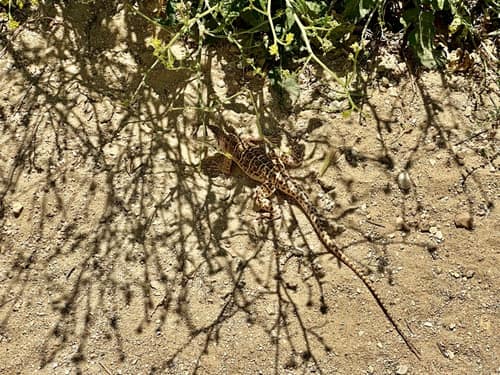
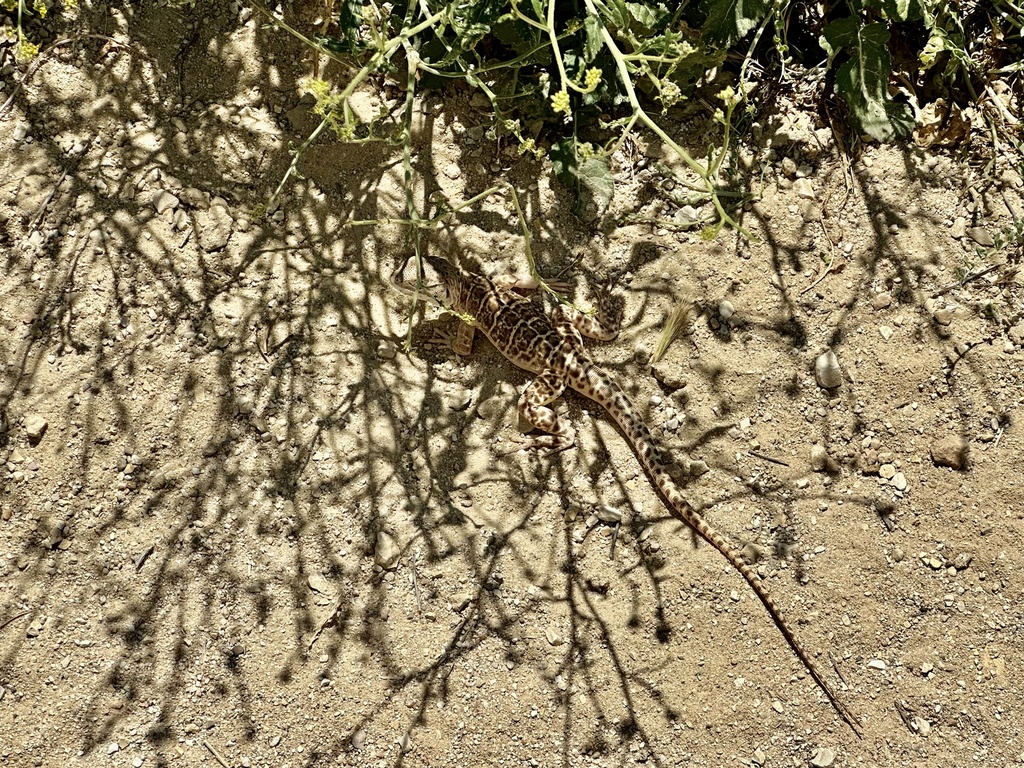
Blunt-nosed leopard lizards sprint across arid San Joaquin Valley plains to ambush grasshoppers, beetles, and smaller lizards. Females display striking bright orange-red spots along their sides during the spring breeding season to signal reproductive readiness. Deprived of most original habitat by agriculture, remaining populations rely heavily on abandoned rodent burrows for escape and thermal shelter.
AridDesert
—observations
—countries
—peak records
EndangeredConservation statusIUCN Red List categoriesLCNTVUENCREWEXEndangeredRed List categories, explained →
Diet & prey
- Grasshoppers
- Beetles
- Side-blotched Lizards
Predators
- Hawks
- Snakes
- Coyotes
ThreatsHabitat conversion for agriculture, urban development, and energy infrastructure
HabitatsArid alkali flats, grasslands, and sparse wash scrublands
Life span5–8 years
Size / weightNot available
Classification
- FamilyCrotaphytidae
- SpeciesGambelia sila
Range data is not available yet.
Interaction riskLow
- Low
- Moderate
- High
- Very high
- Why interaction risk is low
- Safe to observe from a normal distance.
- What to notice
- Recognizable by its truncated, broad snout, dark spot pattern, and high-speed bipedal running style.
- Support conservation
- Do not capture, corner, or disturb this rare reptile, and refrain from walking near active burrow networks.
Responsible observation
- Observe from a Distance: Maintain space to avoid scaring the lizard into its subterranean retreat.
- Look near Burrows: Scan open ground and mammal burrow entrances on warm mornings.
- Stay on Trails: Avoid trampling sensitive desert soil crusts and delicate underground burrows.
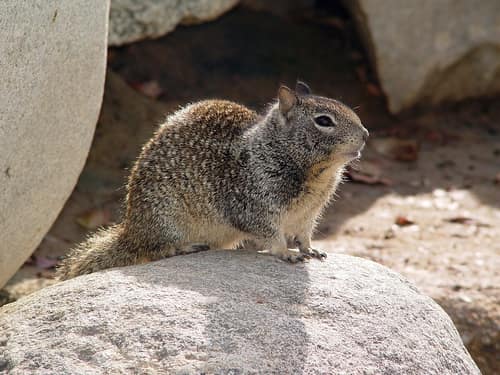
Burrow Provider Holly Cheng / CC BY-SA 3.0 · cc-by-sa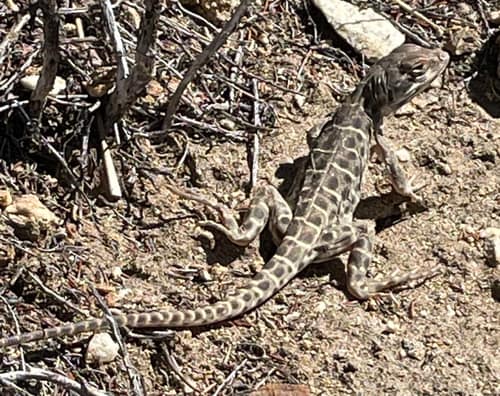
Close Relative no rights reserved · cc0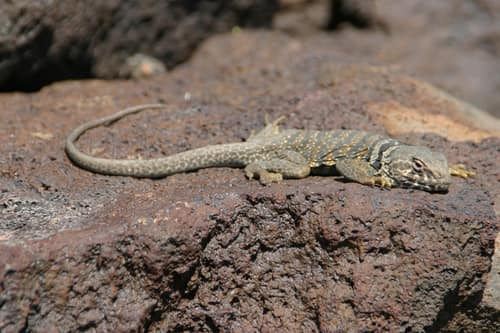
Family Member (c) Joe Decruyenaere, some rights reserved (CC BY-SA) · cc-by-sa
Help improve the field guideSomething wrong?
Checking your Fauna account…Report a name, category, or profile issue for review.