
Reptile
Oriental Rat Snake
Ptyas mucosaAlso known as Indian Rat Snake, Dhaman
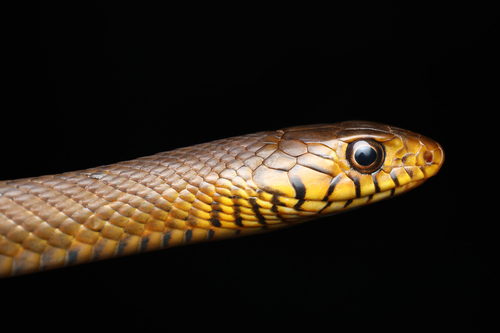
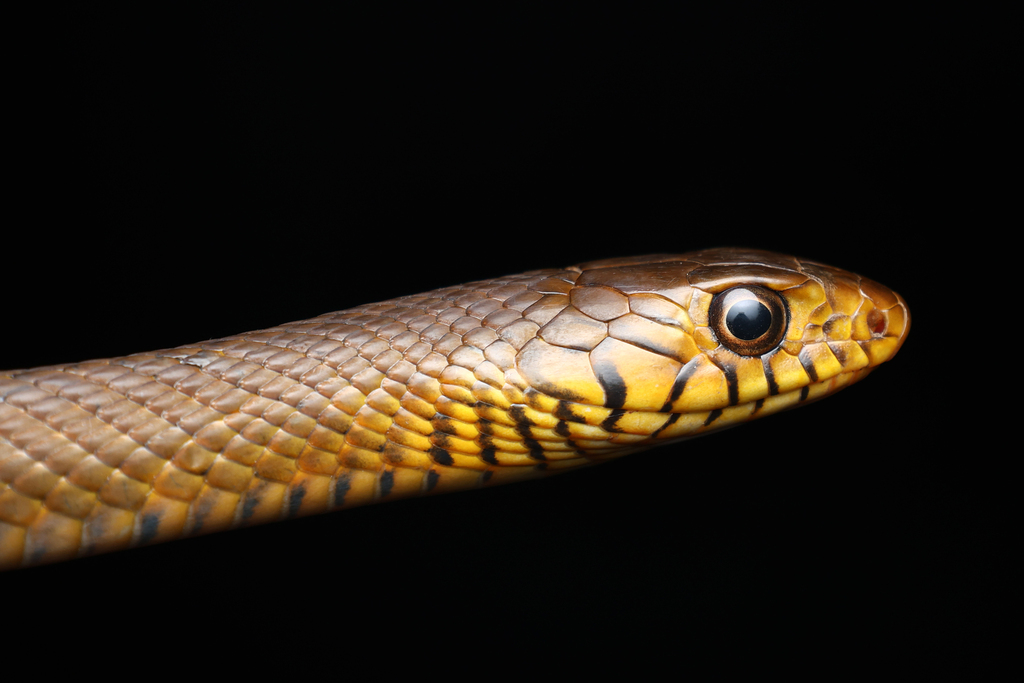
Oriental rat snakes are among the largest and swiftest non-venomous colubrids in the world, capable of navigating forest canopies, open grasslands, and village rooftops with remarkable agility. When alarmed, they produce an unusual deep growl by compressing air against their vocal cords, while puffing out the neck to display contrasting skin patterns between their scales. Males participate in ritualized combat during the breeding season, entwining their bodies and attempting to pin one another in upright wrestling bouts that can last for hours.
DiurnalSemi-arborealAgile
—observations
—countries
—peak records
Not EvaluatedConservation statusIUCN Red List categoriesLCNTVUENCREWEXNot Evaluated — not placed on the risk ladderRed List categories, explained →
Diet & preyBlack Rat, Asian Common Toad, Indian Bullfrog
Predators
- King Cobra
- Crested Serpent Eagle
- Bengal Monitor
ThreatsPersecution due to confusion with venomous snakes, road mortality, and skin trade
HabitatsAgricultural fields, forests, wetlands, grasslands, and rural human settlements
Life span10–15 years
Classification
- FamilyColubridae
- SpeciesPtyas mucosa
Range data is not available yet.
Interaction riskLow
- Low
- Moderate
- High
- Very high
- Why interaction risk is low
- Non-venomous and generally flees rapidly, but can deliver a painful bite if cornered or restrained.
- Why it is dangerous
- Possesses sharp recurved teeth and powerful jaw muscles capable of producing painful puncture wounds and tearing skin if handled.
- How to recognize a risky encounter
- Look for a slender body, huge alert eyes, and black vertical lines separating the pale lip scales, which distinguishes it from venomous cobras.
- What to do
- Maintain a distance of several meters; never attempt to corner, pin, or handle a rat snake.
Responsible observation
- Give Space: Step back and allow the snake an unobstructed escape route, as it prefers flight over confrontation.
- Look at the Lip Scales: Distinguish it from the venomous Indian cobra by noticing prominent black vertical bars along the upper lip scales.
- Do Not Grab: Avoid touching or restraining, as cornered individuals strike defensively and can inflict lacerations.
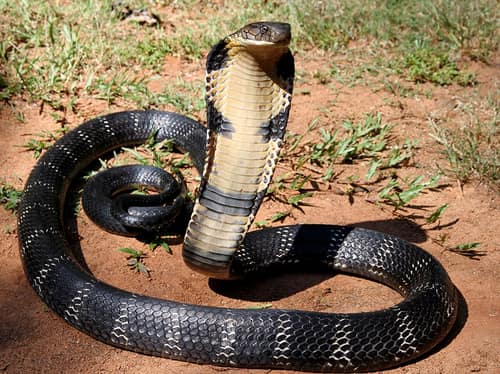
Predator Michael Allen Smith from Seattle, USA / CC BY-SA 2.0 · cc-by-sa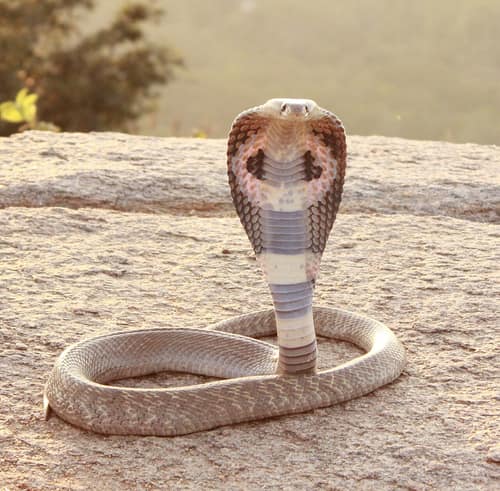
Look-alike Pavan Kumar N / CC BY-SA 3.0 · cc-by-sa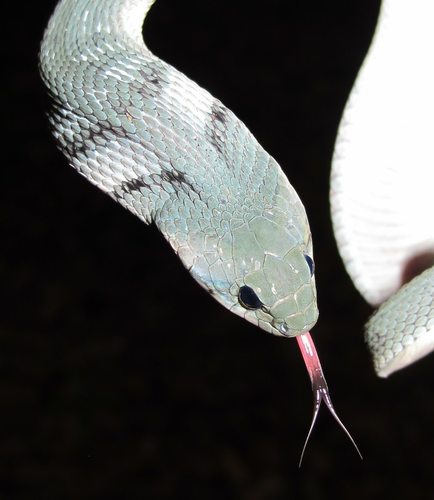
Neighbor (c) Pieter Prins, some rights reserved (CC BY-SA), uploaded by Pieter Prins · cc-by-sa Image unavailable
Close Relative
Help improve the field guideSomething wrong?
Checking your Fauna account…Report a name, category, or profile issue for review.