
Reptile
Plains Hognose Snake
Heterodon nasicusAlso known as Western Hognose Snake, Blow Viper, Spreadhead Snake
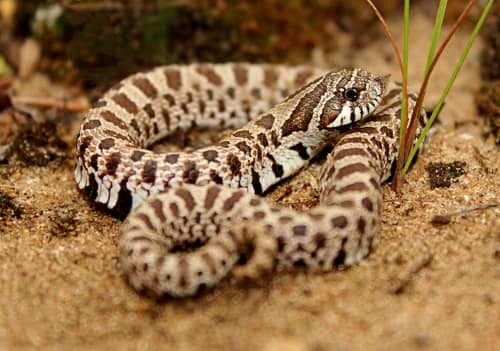
Plains hognose snakes are stocky, sand-dwelling reptiles famous for their upturned, spade-like snouts adapted for digging out buried toads. When threatened, they engage in dramatic bluffs, flattening their necks like a cobra and hissing loudly before rolling onto their backs and gaping their mouths to feign death. Their mild, specialized saliva helps subdue amphibian prey in the sandy prairies of central North America.
Rear-fangedFossorialReptile

—observations
—countries
—peak records
Least ConcernConservation statusIUCN Red List categoriesLCNTVUENCREWEXLeast ConcernRed List categories, explained →
Diet & preyToads, Lizards, Small Rodents
Predators
- Hawks
- Coyotes
- Kingsnakes
ThreatsHabitat loss from agriculture, urban sprawl, road mortality, and human persecution.
HabitatsGrasslands, shortgrass prairies, sandy floodplains, and semi-arid scrublands.
Life span12–20 years
Classification
- FamilyColubridae
- GenusHeterodon
- SpeciesHeterodon nasicus
Range data is not available yet.
Interaction riskVery high
- Low
- Moderate
- High
- Very high
- Why interaction risk is very high
- Has mild rear-fanged saliva; give space to avoid bites that cause localized swelling.
- Why it is dangerous
- Delivers mild rear-fanged saliva through prolonged chewing, causing localized swelling, itching, and redness in humans.
- How to recognize a risky encounter
- Recognizable by a thick body, brown blotches, black belly markings, and a sharp, upturned snout tip.
- What to do
- Never pick up or corner wild individuals; step back and let the snake crawl away safely.
Responsible observation
- Observe death displays from afar: Allow the snake to recover undisturbed if it flips onto its back.
- Watch for digging behavior: Look for its distinctive spade snout shoveling loose sand or soil.
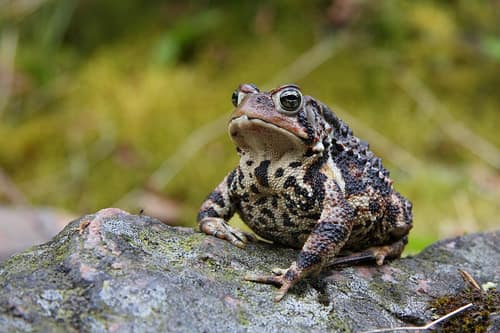
Prey Cephas / CC BY-SA 3.0 · cc-by-sa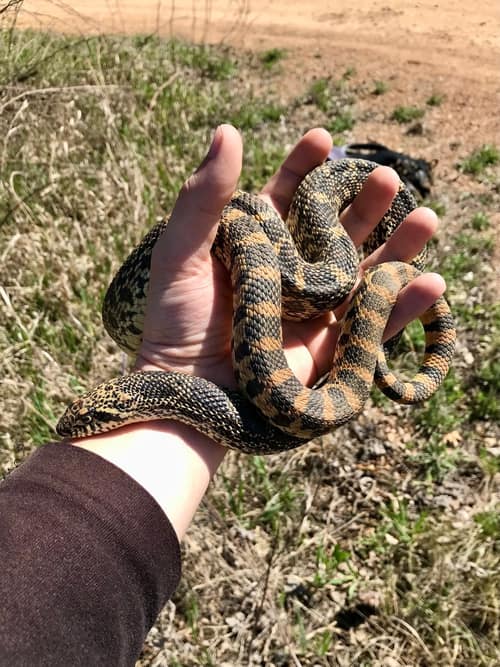
Frequent Companion (c) Rose Zappa, some rights reserved (CC BY), uploaded by Rose Zappa · cc-by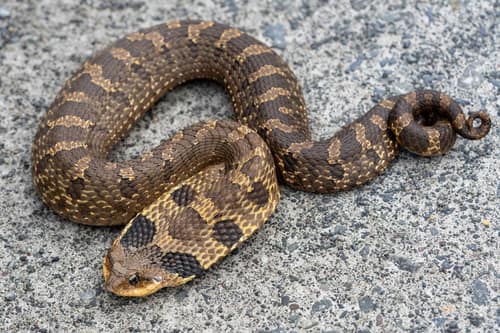
Close Relative (c) evangrimes, some rights reserved (CC BY), uploaded by evangrimes · cc-by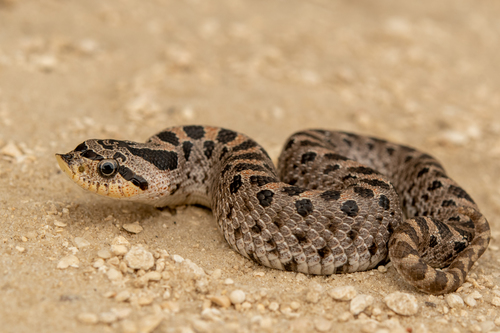
Close Relative (c) Court Harding, some rights reserved (CC BY) · cc-by
Help improve the field guideSomething wrong?
Checking your Fauna account…Report a name, category, or profile issue for review.