
Reptile
Marsh Snake
Hemiaspis signataAlso known as Black-bellied Swamp Snake
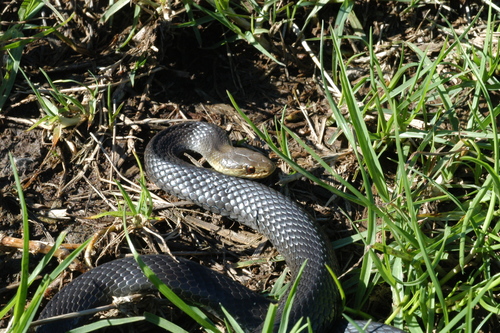
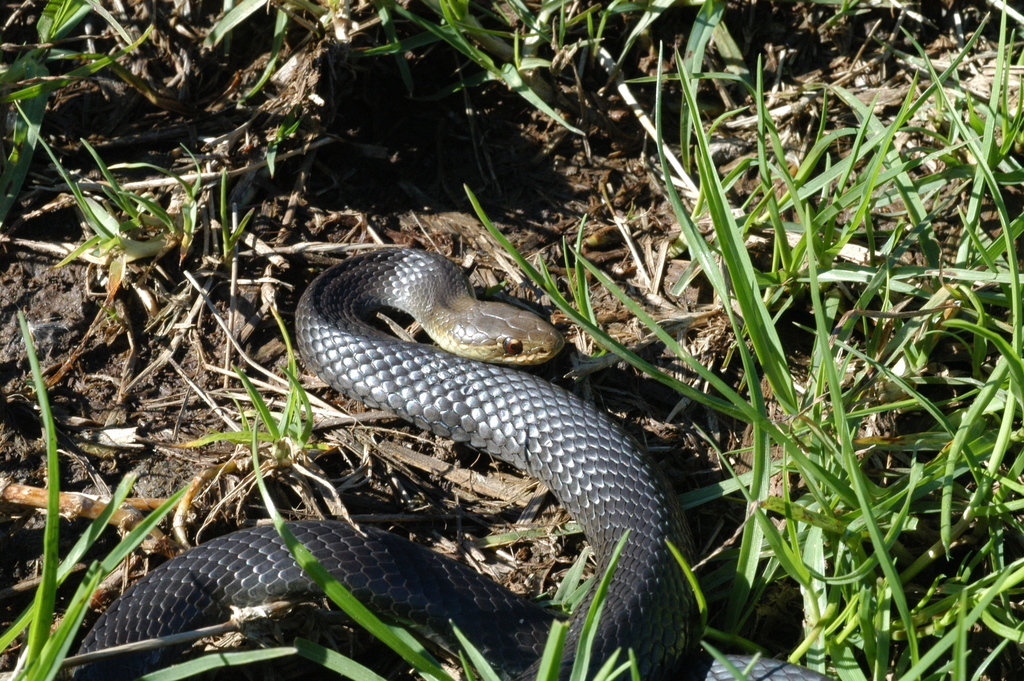
Marsh snakes are alert, diurnal foragers frequently seen basking on logs or winding through dense wetland vegetation along eastern Australia. Recognizable by two pale facial stripes cutting across their dark heads, they specialize in hunting small ectotherms near water. When threatened, they often flatten their bodies horizontally or thrash wildly to deter predators before slipping swiftly into aquatic cover.
DiurnalWetlandEndemic
—observations
—countries
—peak records
Least ConcernConservation statusIUCN Red List categoriesLCNTVUENCREWEXLeast ConcernRed List categories, explained →
Diet & preyCommon eastern froglets, Striped marsh frogs, Garden skinks
Predators
- Kookaburras
- Birds of prey
- Red-bellied black snakes
ThreatsWetland degradation, urban development, and poisoning from invasive cane toads
HabitatsSwamps, creek margins, wet sclerophyll forests, and coastal lagoons
Life span6–10 years
Classification
- FamilyElapidae
- GenusHemiaspis
- SpeciesHemiaspis signata
Range data is not available yet.
Interaction riskVery high
- Low
- Moderate
- High
- Very high
- Why interaction risk is very high
- Venomous elapid capable of painful bites; admire safely from a respectful distance.
- Why it is dangerous
- Possesses front fangs and venom containing mild neurotoxins and procoagulants that cause severe localized pain, swelling, and systemic headache.
- How to recognize a risky encounter
- Look for a dark brown to black body with a pale cream belly and two distinct white or yellow stripes extending across the face.
- What to do
- Do not attempt to touch or catch; back away calmly and leave the snake undisturbed.
Responsible observation
- Watch the margins: Scan muddy edges, sunny logs, and low reeds beside freshwater pools on sunny mornings.
- Give space: Allow the snake an unobstructed escape route toward water, as it prefers flight over confrontation.
- Footwear safety: Wear sturdy enclosed boots and long trousers when trekking through dense marshland vegetation.
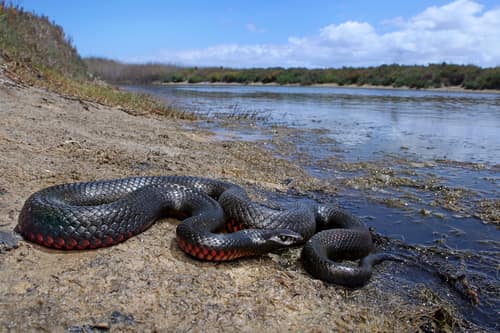
Predator no rights reserved, uploaded by Connor Margetts · cc0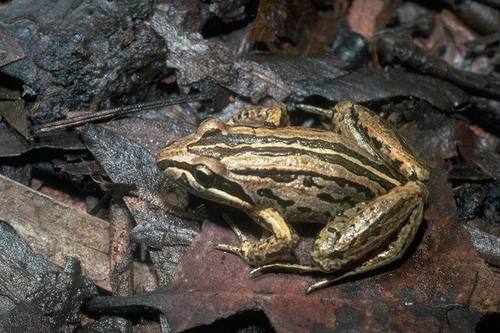
Prey (c) Jean-Marc Hero, some rights reserved (CC BY-SA) · cc-by-sa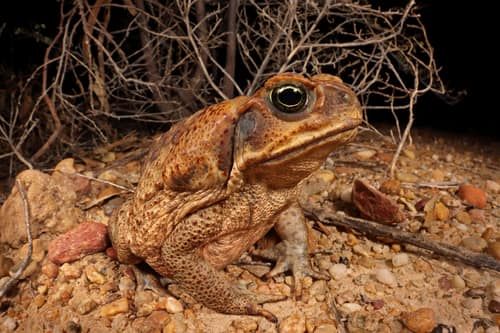
Competitor (c) Connor Margetts, some rights reserved (CC BY), uploaded by Connor Margetts · cc-by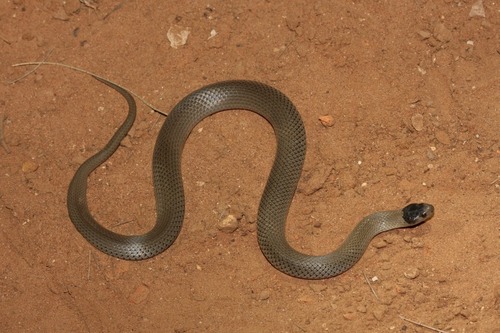
Close Relative (c) dhfischer, some rights reserved (CC BY), uploaded by dhfischer · cc-by
Help improve the field guideSomething wrong?
Checking your Fauna account…Report a name, category, or profile issue for review.