
Reptile · GBIF taxon 5221528
Mediterranean House Gecko
Hemidactylus turcicusAlso known as Turkish Gecko, Moon Lizard
Mediterranean house geckos emerge at twilight to hunt insects attracted to illuminated exterior walls and porch lights. Their translucent skin ranges from pinkish-tan to pale grey, studded with prominent bumpy tubercles that help break up their outline against rough masonry. Adhesive toe pads allow these agile climbers to scurry upside down across glass and ceilings with effortless grace.
NocturnalReptileUrban Wildlife
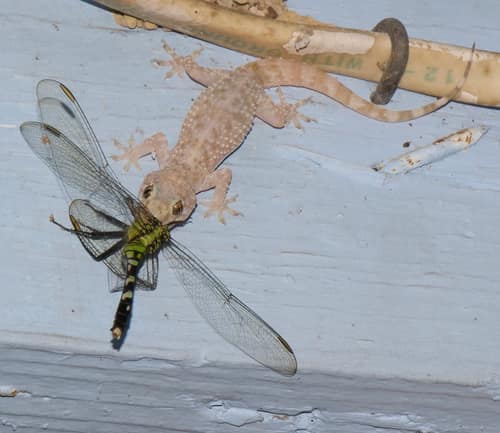
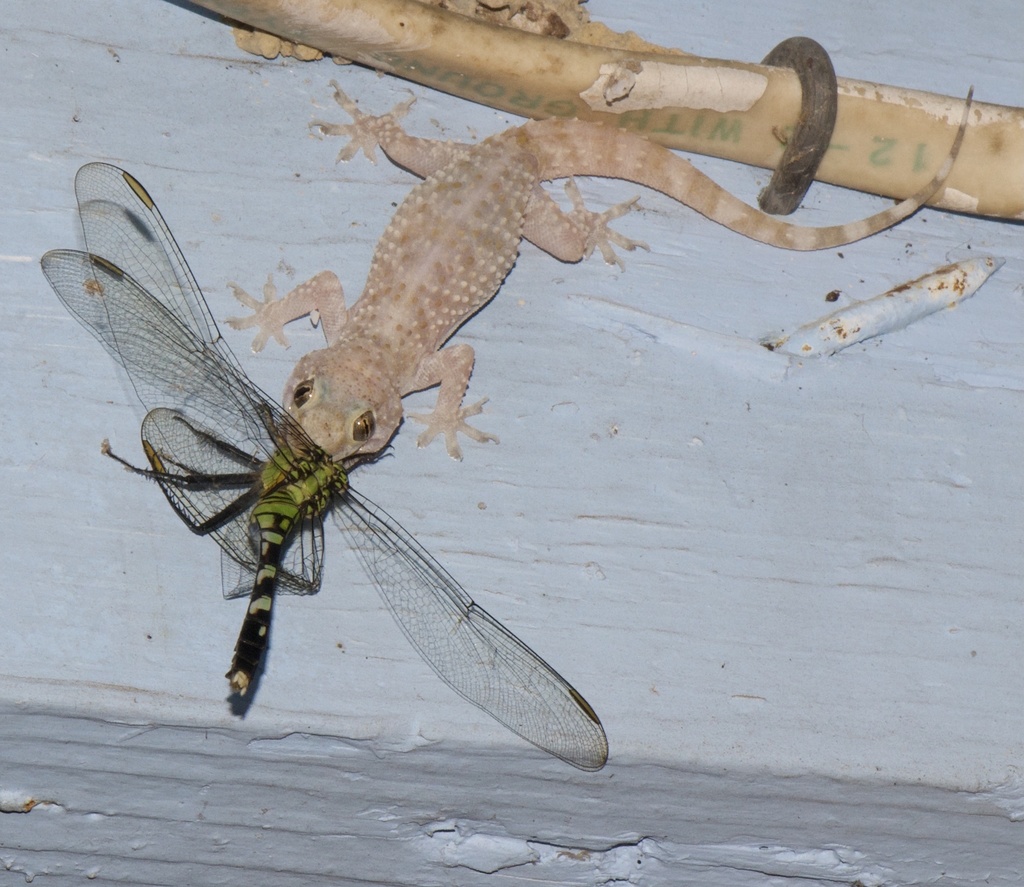
—observations
—countries
—peak records
Least ConcernConservation statusIUCN Red List categoriesLCNTVUENCREWEXLeast ConcernRed List categories, explained →
Diet & prey
- Moths
- Crickets
- Roaches
Predators
- Domestic cats
- Snakes
- Larger geckos
ThreatsSevere winter freezes, heavy pesticide use, predation by outdoor cats
HabitatsUrban structures, building exteriors, crevices, Mediterranean scrub, rocky areas
Life span5–10 years
Size / weightNot available
Classification
- FamilyGekkonidae
- GenusHemidactylus
- SpeciesHemidactylus turcicus
Range data is not available yet.
Interaction riskLow
- Low
- Moderate
- High
- Very high
- Why interaction risk is low
- Safe to observe at a normal distance.
Responsible observation
- Look Near Lights: Watch porch light fixtures and illuminated exterior walls shortly after sunset where insects gather.
- Avoid Disturbance: Maintain a respectful distance to avoid startling them into dropping their tails.
- Scan Crevices: Search narrow gaps in exterior masonry, window frames, and shutters during daylight hours.
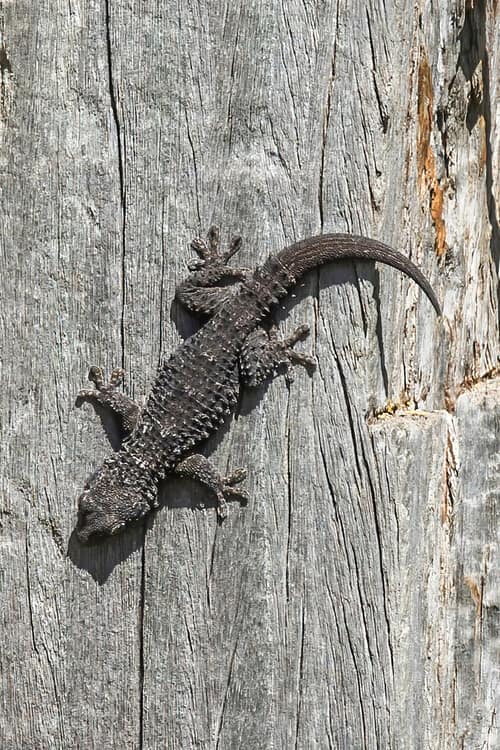
Co-Occurring Gecko Charles J. Sharp / CC BY-SA 4.0 · cc-by-sa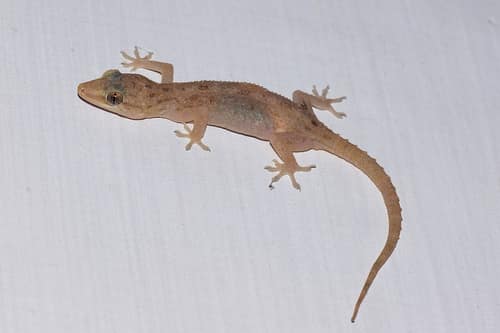
Close Relative Vengolis / CC BY-SA 3.0 · CC BY-SA 3.0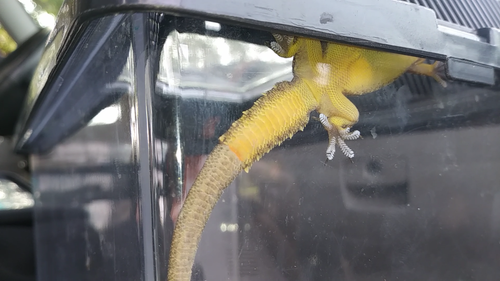
Close Relative no rights reserved, uploaded by Daniel Estabrooks · cc0
Keep collecting in Fauna
Found in Collections
Species set Pro
Emerald Kingdom
Mediterranean House Gecko is found in this collection. Identify it in Fauna to fill this slot and continue your progress.
Unlock to track progress
Help improve the field guideSomething wrong?
Checking your Fauna account…Report a name, category, or profile issue for review.