
Reptile
Doria's Comb-footed Gecko
Stenodactylus doriaeAlso known as Doria's Comb-fingered Gecko, Middle Eastern Short-fingered Gecko, Doria's Sand Gecko
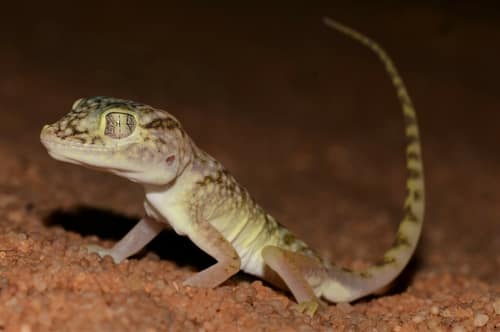
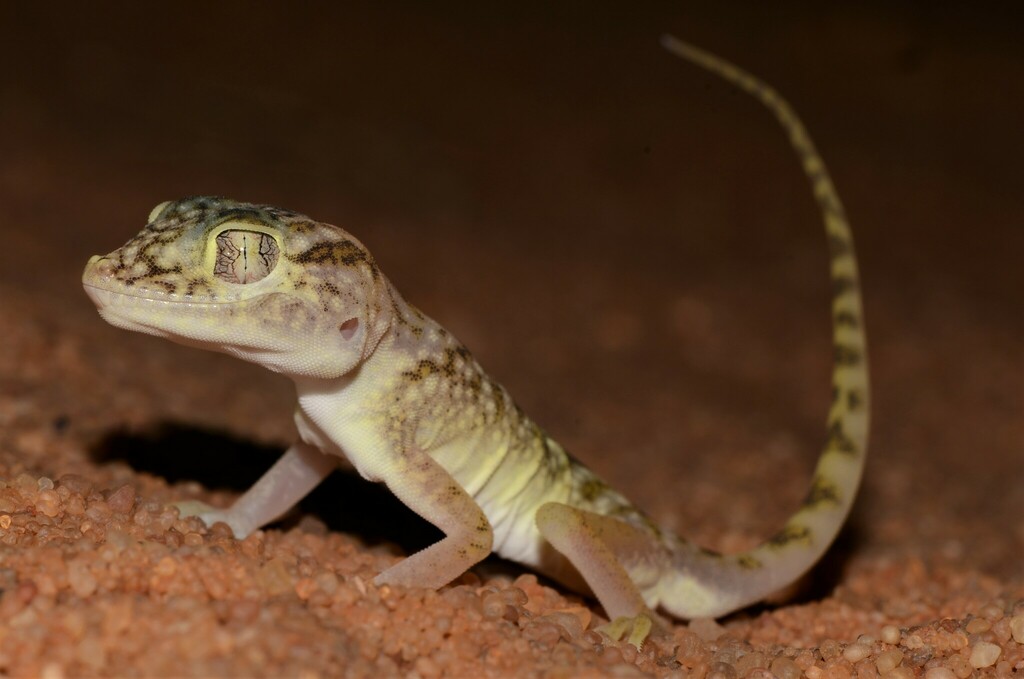
Doria's comb-footed geckos navigate shifting sand dunes of the Middle East using specialized, comb-like fringes on their toes that prevent them from sinking into loose substrate. Emerging after nightfall to hunt small insects, these pale, large-eyed reptiles shelter in shallow underground burrows to escape scorching daytime temperatures. Their translucent skin and cryptic pale brown patterning provide excellent camouflage against windswept desert sands.
NocturnalDesertReptile
—observations
—countries
—peak records
Least ConcernConservation statusIUCN Red List categoriesLCNTVUENCREWEXLeast ConcernRed List categories, explained →
Diet & preyBeetles, Ants, Termites
Predators
- Sand vipers
- Desert monitors
- Owls
ThreatsHabitat destruction, off-road vehicle disturbance
HabitatsArid sand dunes, sandy desert plains, desert scrub
Life span5–8 years
Classification
- FamilyGekkonidae
- SpeciesStenodactylus doriae
Range data is not available yet.
Interaction riskLow
- Low
- Moderate
- High
- Very high
- Why interaction risk is low
- Safe to observe at a normal distance.
Responsible observation
- Night Spotting: Look for them on loose sand dunes after dusk using a soft red flashlight.
- Observe Foot Adaptations: Watch how the comb-like toe fringes allow smooth movement over soft sand.
- Minimize Disturbance: Avoid stepping on burrows or blocking their retreat into loose sand.
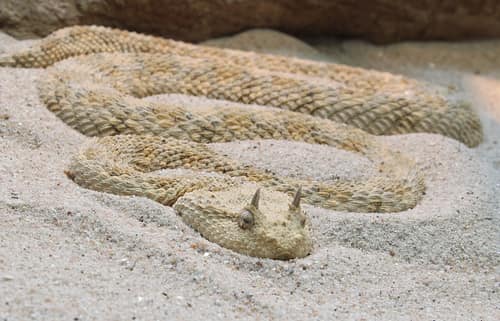
Predator Holger Krisp / CC BY 3.0 · cc-by Image unavailable
Close Relative Close Relative Close Relative
Help improve the field guideSomething wrong?
Checking your Fauna account…Report a name, category, or profile issue for review.