
Reptile · GBIF taxon 5220210
Yacare Caiman
Caiman yacareAlso known as Jacare Caiman, Paraguayan Caiman, Piranha Caiman, Southern Spectacled Caiman
Yacare caimans dominate the wetlands and slow-moving rivers of central South America, often basking in massive aggregations along muddy banks during the dry season. Their prominent lower teeth often remain visible even when the mouth is closed, an adaptation suited for snapping up fish and aquatic snails. During the rainy season, females construct elevated mound nests from vegetation to keep their clutch safe from rising floodwaters.
ReptileAquaticCarnivore
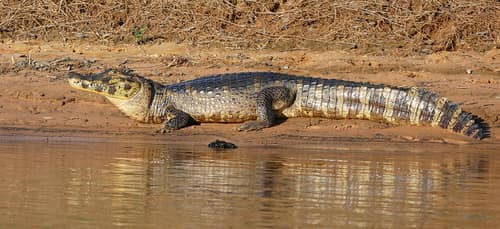
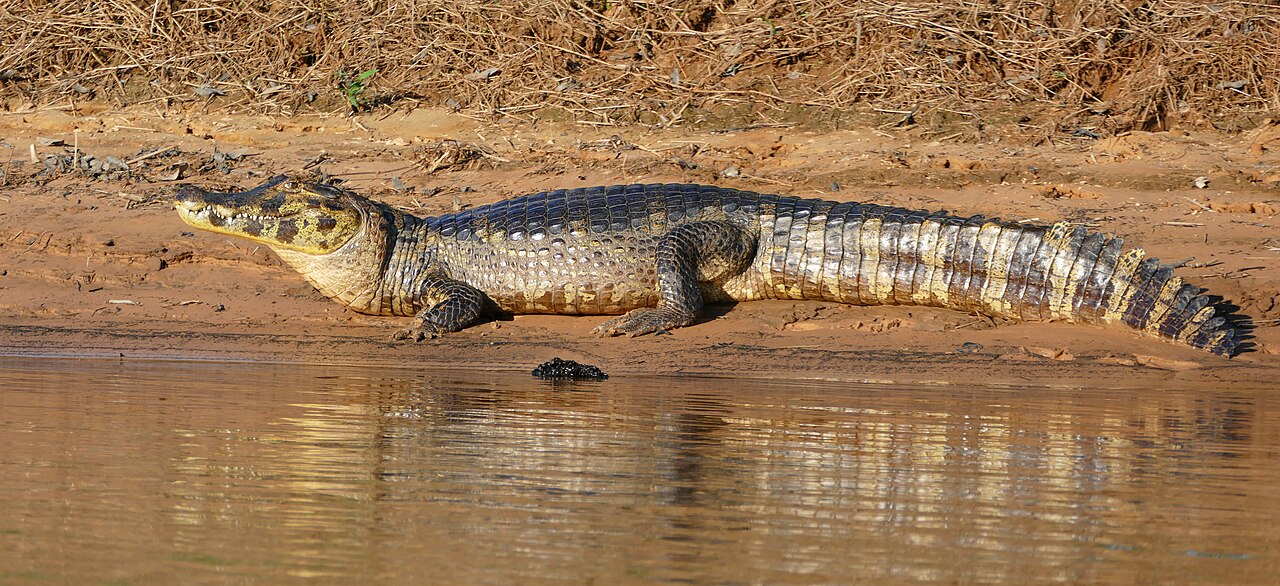
—observations
—countries
—peak records
Least ConcernConservation statusIUCN Red List categoriesLCNTVUENCREWEXLeast ConcernRed List categories, explained →
Diet & prey
- Apple Snails
- Piranhas
- Waterfowl
Predators
- Jaguar
- Green Anaconda
- Giant Otter
ThreatsIllegal hunting, habitat degradation, water pollution
HabitatsWetlands, rivers, lakes, flooded grasslands
Life span30–50 years
Size / weightNot available
Classification
- FamilyAlligatoridae
- SpeciesCaiman yacare
Range data is not available yet.
Interaction riskHigh
- Low
- Moderate
- High
- Very high
- Why interaction risk is high
- Large crocodilians can deliver severe bites; maintain a safe distance along water edges.
- Why it is dangerous
- Powerful jaw pressure and sharp conical teeth can inflict severe lacerations and puncture wounds.
- How to recognize a risky encounter
- Features dark brown skin with heavy blotches and visible lower teeth projecting from the closed jaw.
- What to do
- Keep a safe distance on land or boat, and never reach toward water banks where caimans lurk.
Responsible observation
- Observation Distance: Keep at least ten meters away from water edges, especially where caimans gather.
- Basking Etiquette: Avoid sudden movements or loud noises while viewing basking groups from boats.
- Nesting Safety: Steer clear of mound nests during the wet season, as mothers aggressively guard eggs.
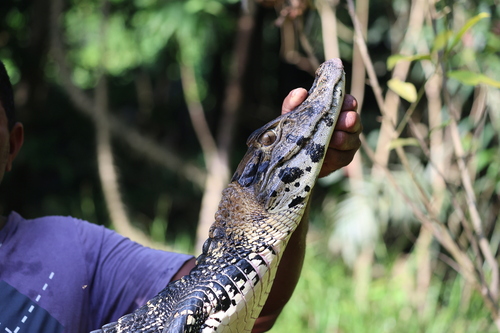
Competitor (c) Matheus Oliveira, some rights reserved (CC BY) · cc-by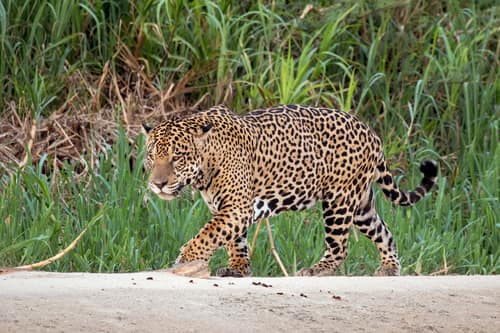
Predator (c) Charles J. Sharp , some rights reserved (CC BY-SA) · cc-by-sa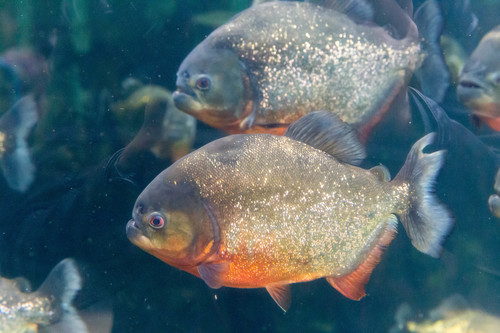
Prey (c) Marco Verch, some rights reserved (CC BY) · cc-by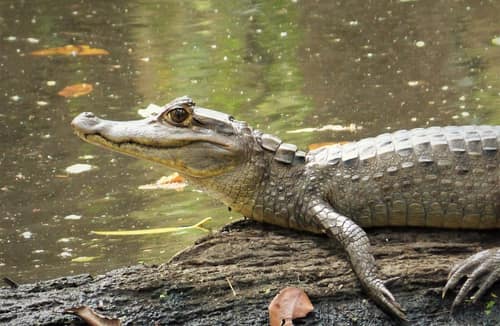
Close Relative (c) gailhampshire, some rights reserved (CC BY) · cc-by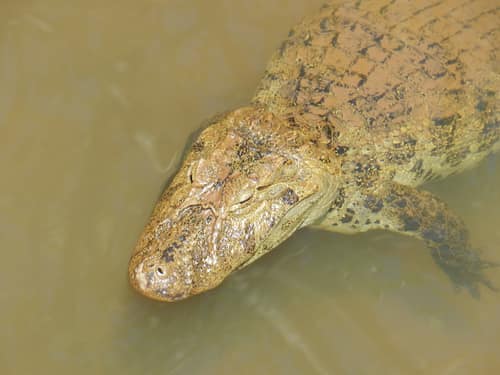
Close Relative (c) Leonel Roget, some rights reserved (CC BY), uploaded by Leonel Roget · cc-by
Help improve the field guideSomething wrong?
Checking your Fauna account…Report a name, category, or profile issue for review.