
Mammal · GBIF taxon 5220178
Mountain Nyala
Tragelaphus buxtoniAlso known as Balbok
Highland forests and afro-alpine moorlands of south-central Ethiopia provide the sole refuge for the majestic mountain nyala. Dressed in a shaggy grey-brown coat marked with delicate white spots and pale chevron stripes, these shy antelopes move fluidly through dense heather and Hagenia canopy. Males display magnificent spiral horns and an erect dark dorsal mane, using them in slow-motion lateral displays to establish dominance without physical fighting.
HerbivoreHorned
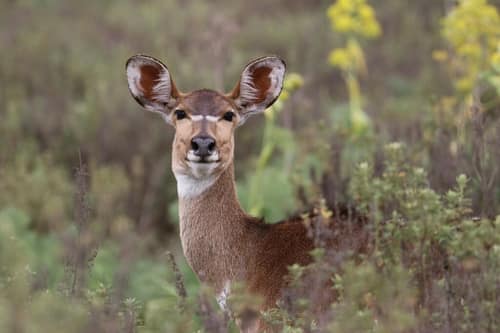
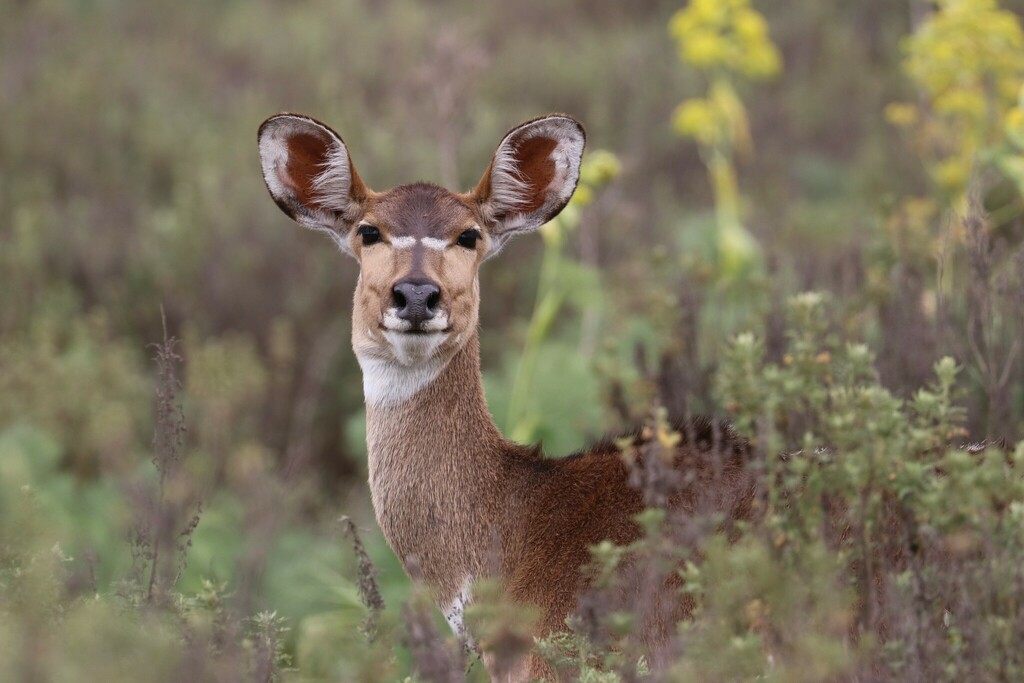
—observations
—countries
—peak records
EndangeredConservation statusIUCN Red List categoriesLCNTVUENCREWEXEndangeredRed List categories, explained →
Diet & prey
- Browsing herbivore (leaves, heather, herbs, lichen)
Predators
- Leopard
- Spotted hyena
- African wild dog
ThreatsHabitat loss from agriculture, overgrazing, poaching
HabitatsAfro-alpine moorland, high-altitude woodlands, hypericaceous scrub
Life span15–20 years
Size / weightNot available
Classification
- FamilyBovidae
- SpeciesTragelaphus buxtoni
Range data is not available yet.
Interaction riskHigh
- Low
- Moderate
- High
- Very high
- Why interaction risk is high
- Large wild antelope with sharp horns; keep a safe distance and never approach closely.
- Why it is dangerous
- Males weigh up to 300 kg and possess sharp spiral horns capable of inflicting serious gore injuries when threatened.
- How to recognize a risky encounter
- Recognize adult males by their massive build, dark erect dorsal crest, and large lyre-shaped spiral horns.
- What to do
- Maintain a distance of at least 50 meters, never block their path, and avoid coming between a mother and calf.
- What to notice
- Look for a large grey-brown antelope with short white stripes and pale facial markings in Ethiopian highlands.
- Support conservation
- Observe strictly from established trails in Bale Mountains National Park without disturbing fragile alpine vegetation.
Responsible observation
- Patience in dense scrub: Scan forest edges and heather thickets early in the morning when individuals emerge to browse.
- Keep a respectful distance: Retain at least 50 meters, as wild males with large horns can react aggressively if cornered.
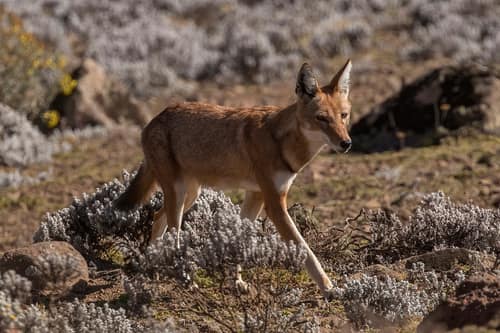
Frequent Companion Charles J. Sharp / CC BY-SA 4.0 · cc-by-sa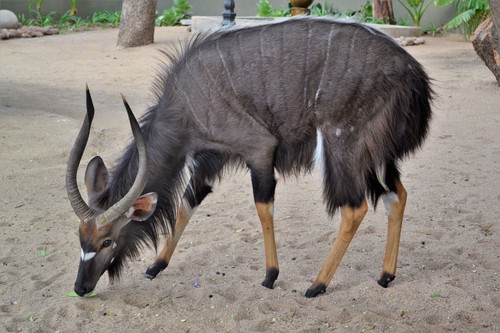
Close Relative (c) Rafael Tosi, some rights reserved (CC BY), uploaded by Rafael Tosi · cc-by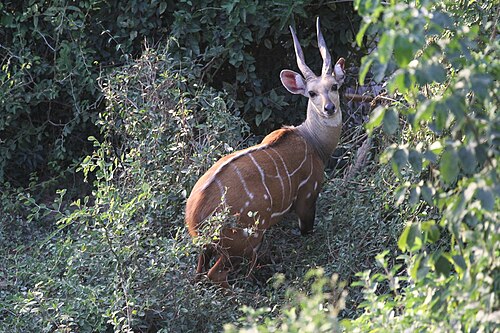
Close Relative Lucy Keith-Diagne / CC BY 4.0 · cc-by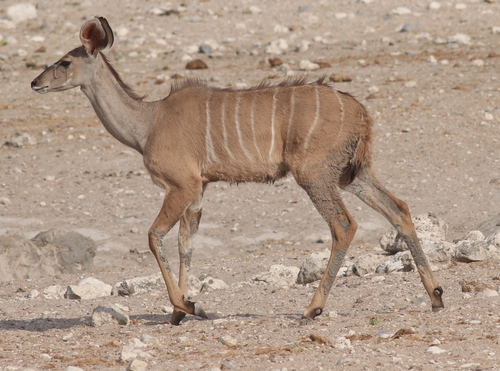
Close Relative (c) Jan Ebr & Ivana Ebrová, some rights reserved (CC BY), uploaded by Jan Ebr & Ivana Ebrová · cc-by
Help improve the field guideSomething wrong?
Checking your Fauna account…Report a name, category, or profile issue for review.