
Mammal · GBIF taxon 5220150
Slender-horned Gazelle
Gazella leptocerosAlso known as Rhim Gazelle, African Sand Gazelle, Loder's Gazelle, Rhim
Slender-horned gazelles wander the vast sand seas of the Sahara, where open water is virtually nonexistent. Their pale cream-colored coats reflect intense solar heat, while broadened hooves act like snowshoes to prevent sinking into shifting sand dunes. They feed during cooler night hours and early mornings to absorb moisture from vegetation heavily coated in dew.
DesertNomadic
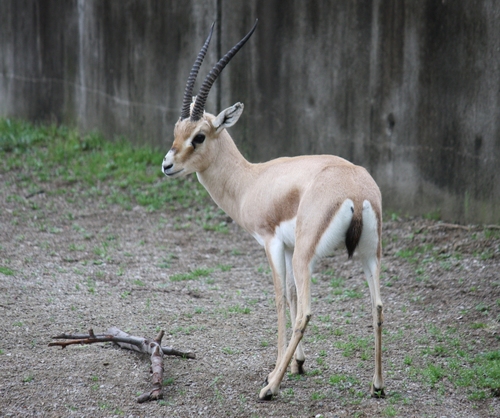
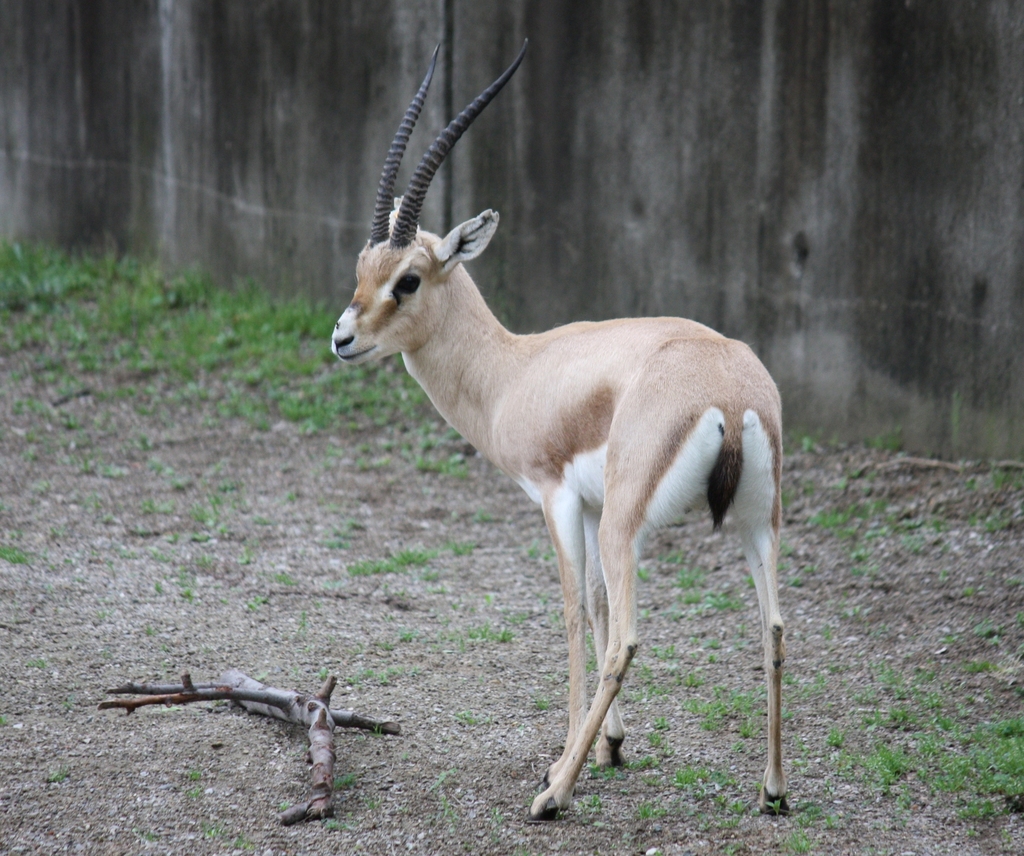
Licensed reference(c) Ltshears, some rights reserved (CC BY-SA) · cc-by-sa
—observations
—countries
—peak records
EndangeredConservation statusIUCN Red List categoriesLCNTVUENCREWEXEndangeredRed List categories, explained →
Diet & prey
- Desert grasses
- Succulents
- Acacia foliage
Predators
- Saharan cheetah
- Golden jackal
- Caracal
ThreatsUnregulated poaching, hunting from motorized vehicles, and habitat degradation
HabitatsSand dunes, gravel plains, and desert basins
Life span10–14 years
Size / weightNot available
Classification
- FamilyBovidae
- SpeciesGazella leptoceros
Range data is not available yet.
Interaction riskLow
- Low
- Moderate
- High
- Very high
- Why interaction risk is low
- Safe to observe at a normal distance.
- What to notice
- Recognizable by its extremely pale sandy coat, white underparts, and long, straight, slender horns.
- Support conservation
- Observe strictly from a distance with binoculars and avoid driving vehicles near remote dune refuges.
Responsible observation
- Observation distance: Maintain a wide separation to avoid scaring these timid ungulates away from shade.
- Habitat care: Avoid driving off-road vehicles through sensitive desert dune systems.
- Binocular viewing: Use high-powered optics to watch them without triggering a flight response.
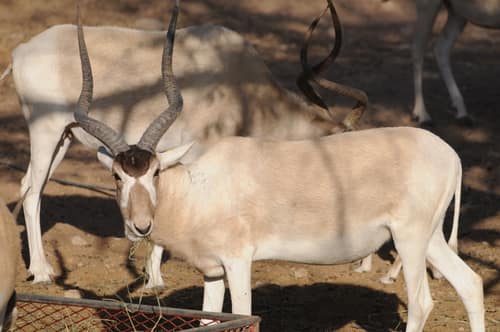
Desert Co-tenant (c) shankar s., some rights reserved (CC BY) · cc-by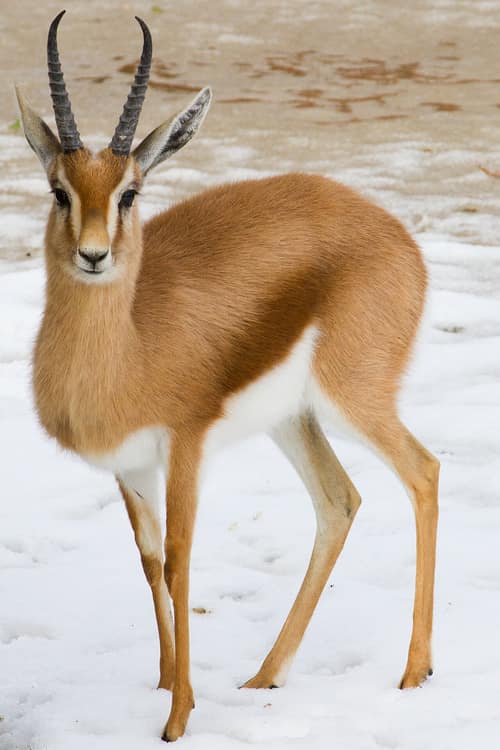
Close Relative Khendon / CC BY-SA 3.0 · cc-by-sa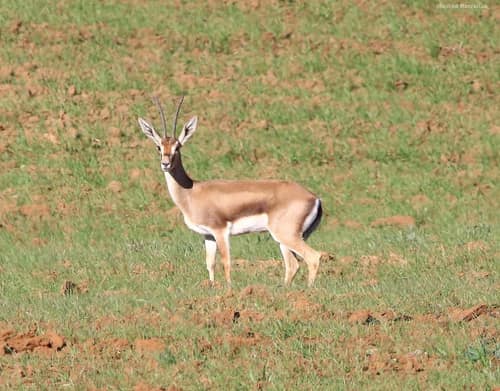
Close Relative (c) Mourad Harzallah, some rights reserved (CC BY), uploaded by Mourad Harzallah · cc-by
Help improve the field guideSomething wrong?
Checking your Fauna account…Report a name, category, or profile issue for review.