
Mammal · GBIF taxon 5220045
Atlantic Spotted Dolphin
Stenella frontalisAlso known as Gulf Stream Dolphin
Atlantic spotted dolphins are highly social marine mammals known for their acrobatic aerial displays and complex vocal communication. Born spotless, they gradually accumulate dark spots as they age, eventually becoming heavily mottled in adulthood. They travel in tight-knit pods of up to fifteen individuals, often riding the bow waves of boats and interacting playfully with other cetaceans.
MarineSocialAcrobatic
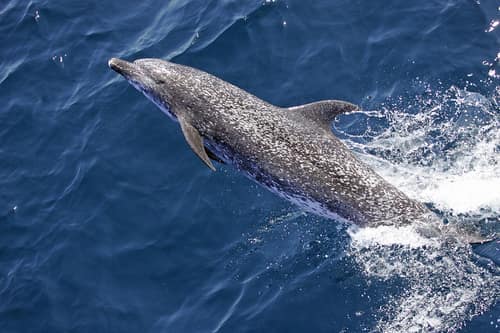
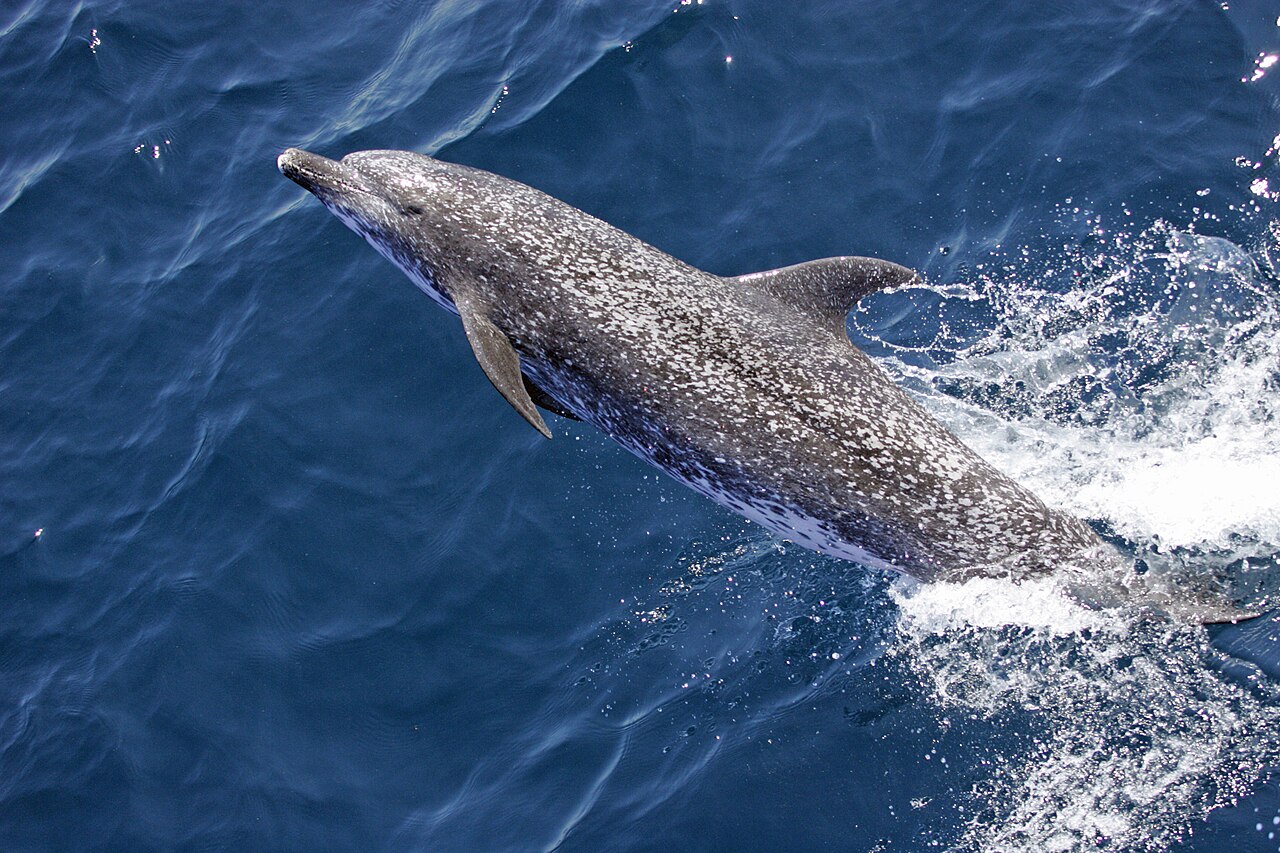
Licensed referenceNOAA Southeast Fisheries Science Center / Public domain · cc0
—observations
—countries
—peak records
Least ConcernConservation statusIUCN Red List categoriesLCNTVUENCREWEXLeast ConcernRed List categories, explained →
Diet & prey
- Squid
- Herring
- Flying Fish
Predators
- Tiger Shark
- Bull Shark
- Killer Whale
ThreatsBycatch in fishing gear, marine pollution, and acoustic disturbance
HabitatsWarm temperate and tropical waters of the Atlantic Ocean, including continental shelves and deep offshore waters
Life span35 to 50 years
Size / weightNot available
Classification
- FamilyDelphinidae
- SpeciesStenella frontalis
Range data is not available yet.
Interaction riskHigh
- Low
- Moderate
- High
- Very high
- Why interaction risk is high
- Observe from a safe distance; wild dolphins can defend themselves if cornered or harassed.
- Why it is dangerous
- As large, powerful marine mammals, they can cause injury through physical contact or defensive bites if they feel threatened.
- How to recognize a risky encounter
- Look for a robust body, a prominent falcate dorsal fin, and distinctive spotting that increases with age.
- What to do
- Never swim with, touch, or attempt to feed wild dolphins; enjoy their presence from a boat at a safe distance.
- What to notice
- Recognized by their tri-color pattern and spots, often seen leaping or bow-riding in the Atlantic.
- Support conservation
- Adhere to local marine wildlife viewing guidelines and limit observation time to 30 minutes to minimize stress.
Responsible observation
- Maintain Distance: Keep a respectful distance of at least 50 yards when observing from a vessel.
- Do Not Feed: Feeding wild dolphins disrupts their natural foraging behaviors and is illegal in many regions.
- Let Them Approach: Allow dolphins to initiate any bow-riding behavior rather than steering directly toward them.
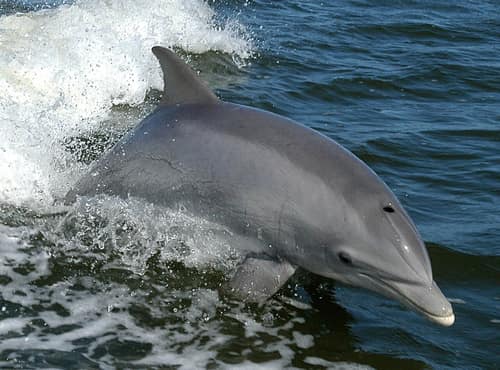
Frequent Companion NASA / Public domain · cc0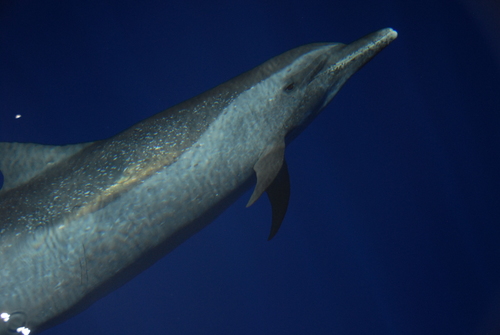
Close Relative (c) NOAA Photo Library, some rights reserved (CC BY) · cc-by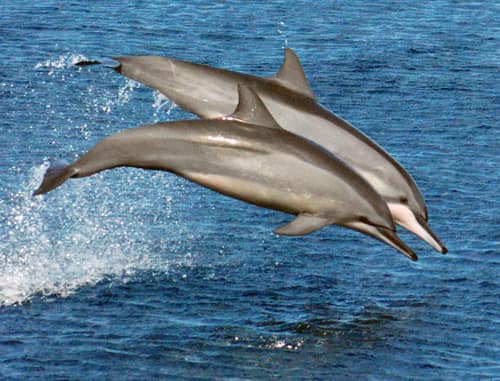
Close Relative (c) Liisa Havukainen, some rights reserved (CC BY-SA) · cc-by-sa
Help improve the field guideSomething wrong?
Checking your Fauna account…Report a name, category, or profile issue for review.