Also known as Yaminon, Queensland Hairy-nosed Wombat
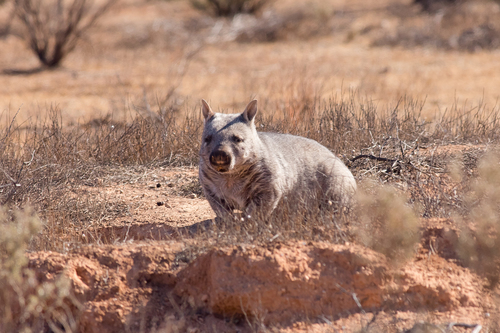
Northern hairy-nosed wombats are heavily built, burrowing marsupials distinguished by their broad, square muzzles covered in fine whiskers and soft, silky grey fur. These nocturnal herbivores spend their days deep within complex, multi-entrance tunnel networks excavated in sandy soils, emerging only at night to feed on native grasses. Highly sensitive to environmental changes, they rely on their slow metabolism and water-efficient digestion to survive the harsh, semi-arid Australian climate.
NocturnalBurrowingEndangered
—observations
—countries
—peak records
Critically EndangeredConservation statusIUCN Red List categoriesLCNTVUENCREWEXCritically EndangeredRed List categories, explained →
Key facts
Diet & prey
Blackspear grass
Buffel grass
Predators
Dingoes
Feral dogs
ThreatsInbreeding depression, wild dog predation, habitat competition with cattle, drought, and wildfire
HabitatsSemi-arid open woodlands and acacia shrublands with deep sandy soils
Life span20 to 26 years in the wild
Size / weightNot available
Classification
FamilyVombatidae
SpeciesLasiorhinus krefftii
Range & activity
Native
Safe observation
Interaction riskLow
Low
Moderate
High
Very high
Why interaction risk is low
Safe to observe at a normal distance.
What to notice
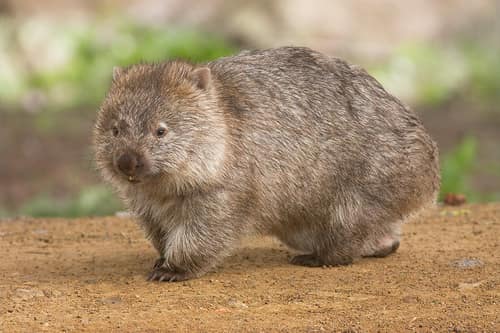
Look for a large, stocky marsupial with a distinctive wide, hairy muzzle, long pointed ears, and soft greyish fur.
Support conservation
Do not attempt to visit restricted sanctuary sites; support official conservation groups from afar to protect their fragile habitat.
Responsible observation
Respect sanctuary boundaries: These wombats live in highly restricted, predator-proof reserves closed to the general public.
Support conservation initiatives: Contribute to recovery programs that fund habitat restoration and translocation efforts.