
Mammal
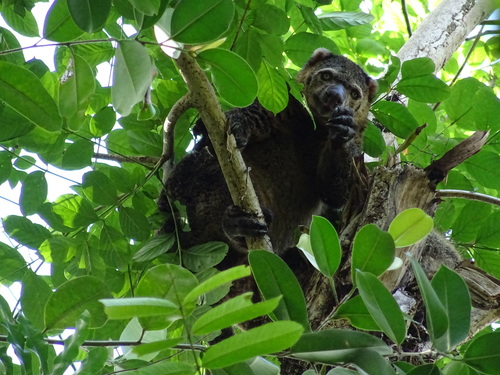
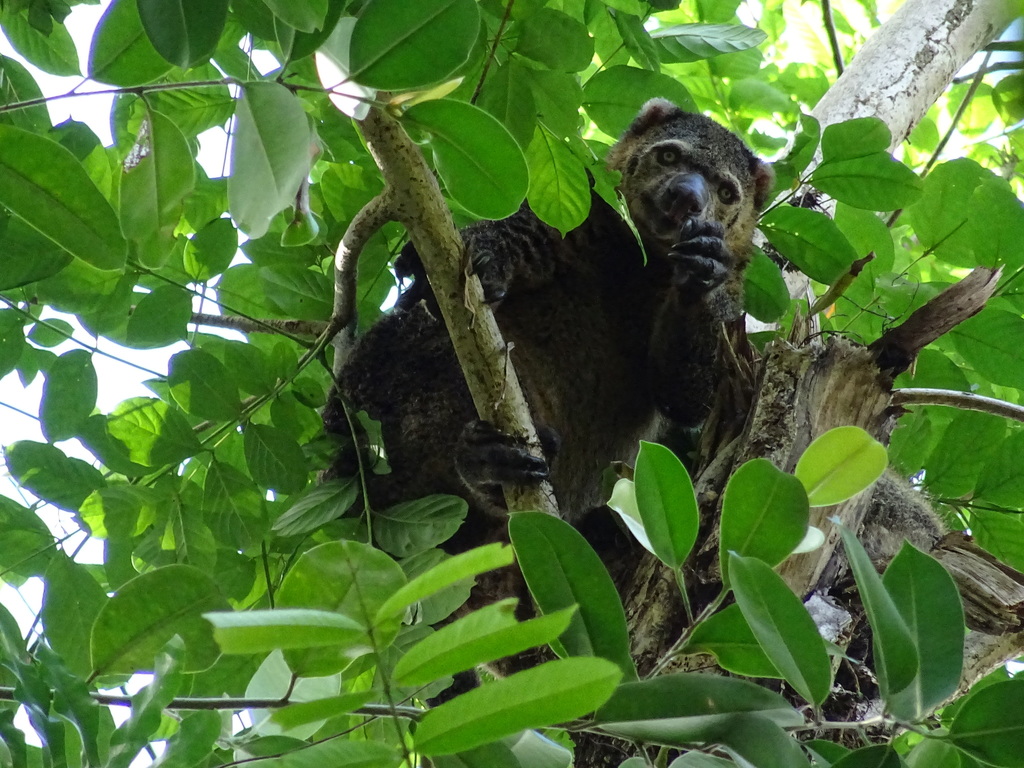
Sulawesi Bear Cuscus
Ailurops ursinusAlso known as Sulawesi Bear Phalanger, Bear Cuscus
Sulawesi bear cuscus move deliberately through the high rainforest canopy, anchoring themselves with a long, muscular prehensile tail while stripping mature leaves from treetops. Active during the day, these primitive marsupials often travel in monogamous pairs, resting motionless for long hours to digest their low-energy foliage diet. Widespread deforestation and illegal hunting present severe pressures across their native Indonesian island strongholds.
ArborealDiurnalMarsupial
—observations
—countries
—peak records
VulnerableConservation statusIUCN Red List categoriesLCNTVUENCREWEXVulnerableRed List categories, explained →
Diet & preyLeaves, Leaf buds, Unripe fruits
Predators
- Reticulated Python
- Sulawesi Hawk-Eagle
- Humans
ThreatsDeforestation, illegal pet trade, poaching
HabitatsLowland tropical moist forest
Life span10–15 years
Classification
- FamilyPhalangeridae
- SpeciesAilurops ursinus
Range data is not available yet.
Interaction riskLow
- Low
- Moderate
- High
- Very high
- Why interaction risk is low
- Sharp claws and strong jaws can inflict wounds if cornered; observe quietly from a distance.
- What to notice
- Recognized by dark greyish-black thick fur, a long prehensile naked-tipped tail, and round bear-like facial features.
- Support conservation
- Never buy wild-caught individuals or reveal precise nest locations to protect remaining populations from illegal collection.
Responsible observation
- Spotting in the Canopy: Look for slow, deliberate movements high in forest trees during early morning hours.
- Maintaining Distance: Keep a respectful distance beneath roosting trees to avoid causing stress or disruption.
- Recognizing Calls: Listen for quiet grunt-like vocalizations exchanged between pairs moving through the branches.
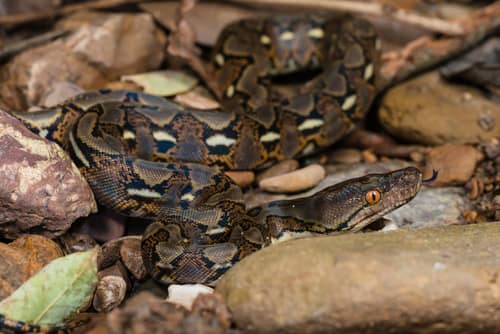
Predator (c) Rushen, some rights reserved (CC BY-SA) · cc-by-sa Image unavailable
Close Relative Sympatric Relative 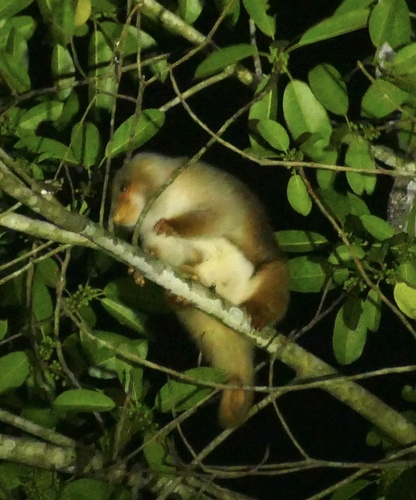
Family Member no rights reserved · cc0
Help improve the field guideSomething wrong?
Checking your Fauna account…Report a name, category, or profile issue for review.