
Mammal · GBIF taxon 5219975
Agile Wallaby
Macropus agilisAlso known as Sandy Wallaby
Agile wallabies bound across the grassy plains and open woodlands of northern Australia and southern New Guinea, often gathering in large feeding mobs near watercourses. During the dry season, they dig up succulent roots and tubers to survive when fresh green foliage becomes scarce. Mother wallabies carry a single joey in their pouch, which stays protected for about seven months before stepping out into the savanna.
MarsupialHerbivoreSocial
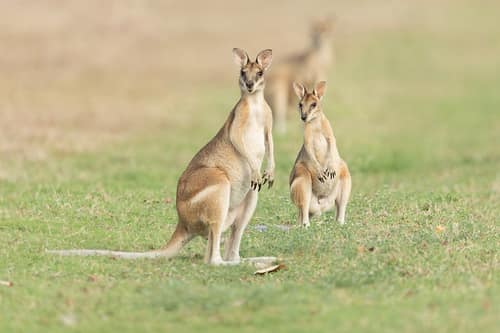
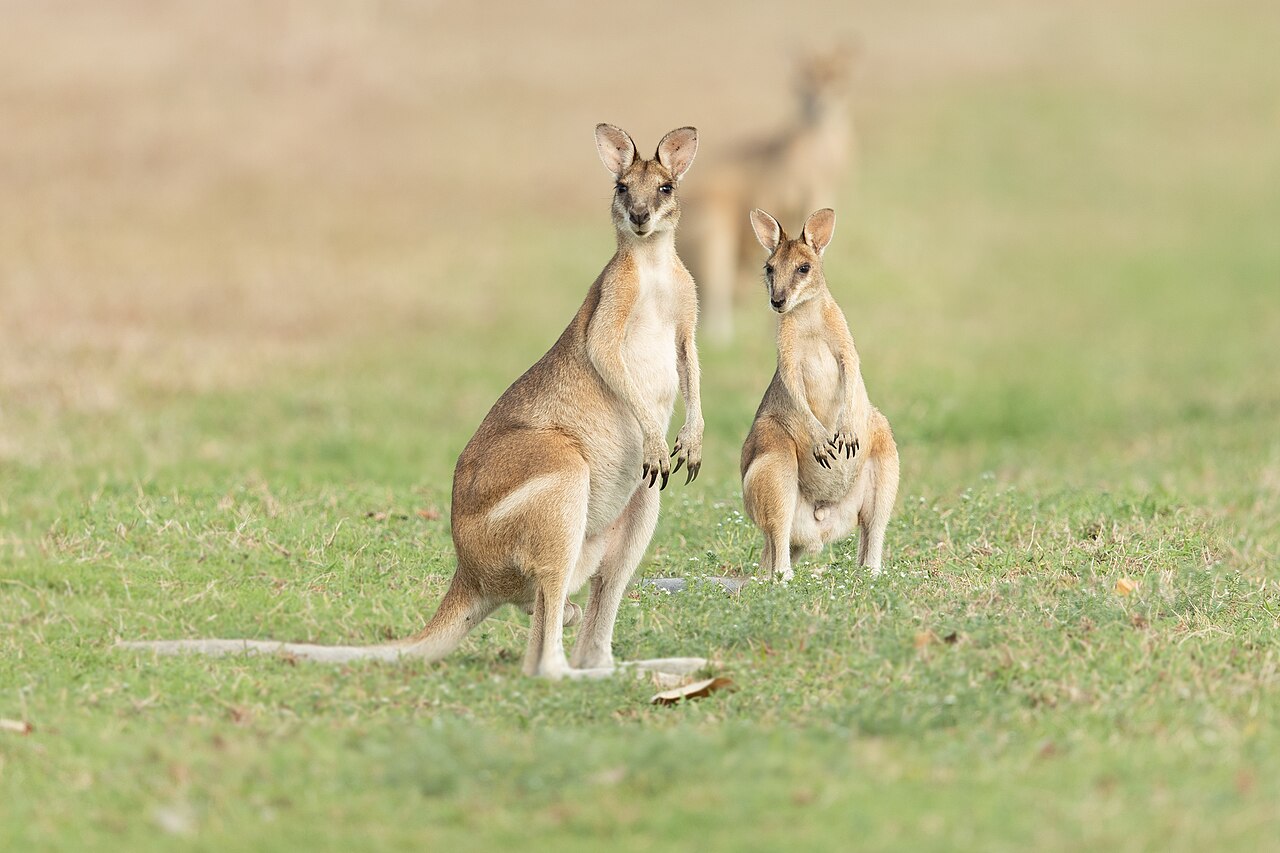
Licensed referenceJJ Harrison (https://www.jjharrison.com.au/) / CC BY-SA 4.0 · cc-by-sa
—observations
—countries
—peak records
Least ConcernConservation statusIUCN Red List categoriesLCNTVUENCREWEXLeast ConcernRed List categories, explained →
Diet & prey
- Grasses
- Roots
- Sedges
Predators
- Dingo
- Saltwater Crocodile
- Wedge-Tailed Eagle
ThreatsHabitat loss, invasive predators, road collisions
HabitatsOpen savannas, grasslands, woodlands, riparian areas
Life span10–14 years
Classification
- FamilyMacropodidae
- SpeciesMacropus agilis
Range data is not available yet.
Interaction riskLow
- Low
- Moderate
- High
- Very high
- Why interaction risk is low
- May kick or scratch if cornered; observe from a safe distance.
Responsible observation
- Distance: Keep a respectful distance, especially around mothers with pouch young.
- Road Safety: Drive cautiously at dawn and dusk along northern Australian highways where wallabies frequently cross.
- Observation: Look for large feeding groups grazing along grassy riverbanks late in the afternoon.
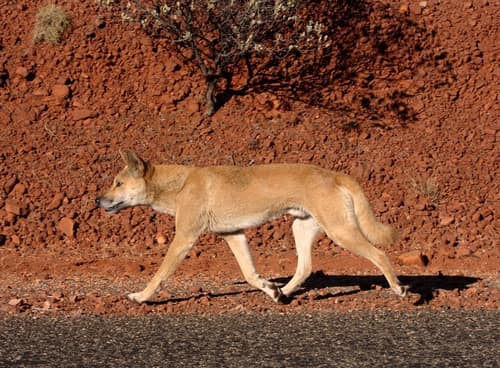
Predator Jarrod Amoore from Sydney, Australia / CC BY 2.0 · cc-by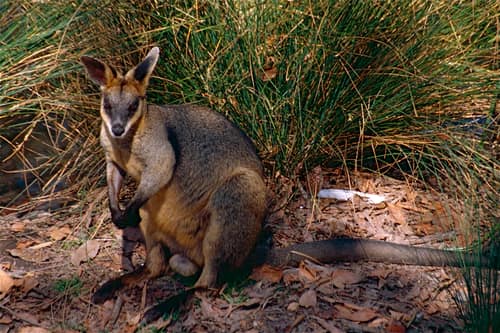
Similar Species (c) Bernard DUPONT, some rights reserved (CC BY-SA) · cc-by-sa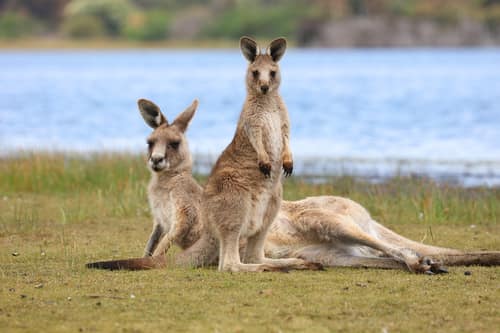
Close Relative (c) Shane Walker, some rights reserved (CC BY), uploaded by Shane Walker · cc-by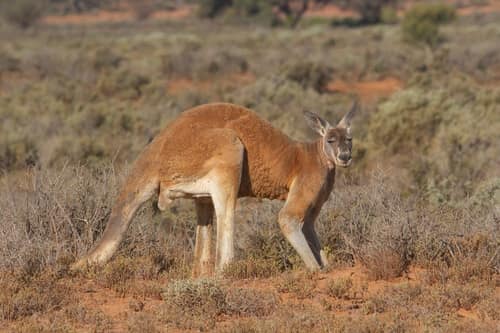
Close Relative (c) dhfischer, some rights reserved (CC BY), uploaded by dhfischer · cc-by
Help improve the field guideSomething wrong?
Checking your Fauna account…Report a name, category, or profile issue for review.