
Mammal
Libyan Jird
Meriones libycusAlso known as Libyan Gerbil
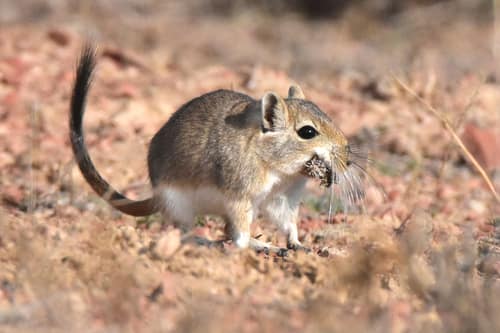
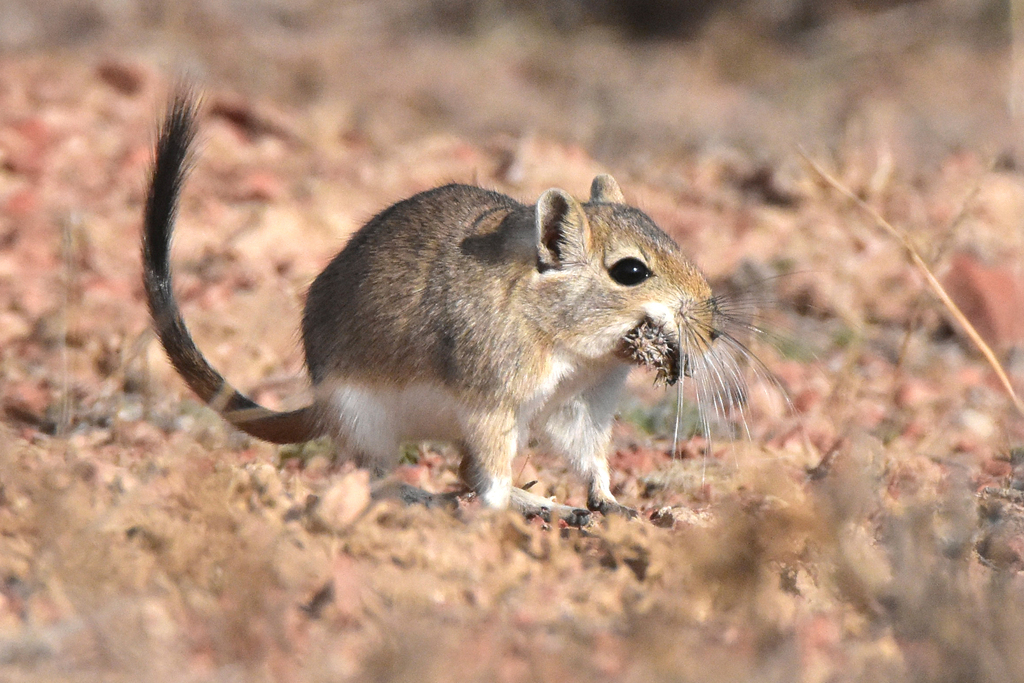
Libyan jirds build extensive subterranean burrow systems with multiple entrances and dedicated storage chambers for seeds and plant matter. Active during both day and night depending on seasonal temperatures, these social rodents maintain complex colony networks across desert hammadas and dry riverbeds. Their acute hearing and swift speed help them evade avian and reptilian predators in open, vegetation-scarce landscapes.
DesertBurrowingSocial
—observations
—countries
—peak records
Least ConcernConservation statusIUCN Red List categoriesLCNTVUENCREWEXLeast ConcernRed List categories, explained →
Diet & preySeeds, Roots, Insects
Predators
- Desert foxes
- Raptors
- Vipers
ThreatsAgricultural expansion, desertification, and pest control programs
HabitatsHot deserts, dry shrublands, saline lake edges, and rural gardens
Life span2–4 years
Classification
- FamilyMuridae
- SpeciesMeriones libycus
Range data is not available yet.
Interaction riskModerate
- Low
- Moderate
- High
- Very high
- Why interaction risk is moderate
- Can carry transmissible pathogens and bite when threatened; observe wild burrows from a safe distance.
- Why it is dangerous
- Serves as a natural reservoir host for cutaneous leishmaniasis parasites and plague bacteria in wild populations.
- How to recognize a risky encounter
- Recognized by its sandy yellowish-brown coat, pale underbelly, and dark-tufted tail.
- What to do
- Keep a respectful distance from wild colonies and avoid handling live or dead individuals.
Responsible observation
- Burrow Scanning: Look for multiple entry holes around desert shrub bases during early morning hours.
- Safety Precaution: Avoid reaching into burrow openings or touching wild rodents directly.
- Distinction Cue: Watch for the distinctive dark tuft of hair at the tip of the tail.
 Image unavailable
Competitor 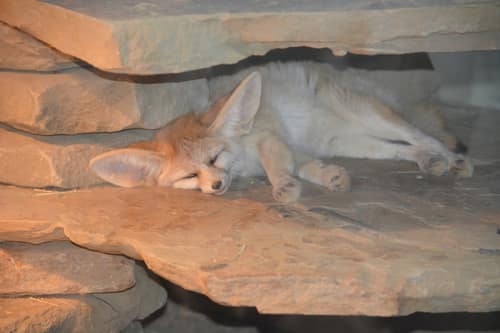
Predator (c) Stacey Robert Greenstein, some rights reserved (CC BY-SA), uploaded by Stacey Robert Greenstein · cc-by-sa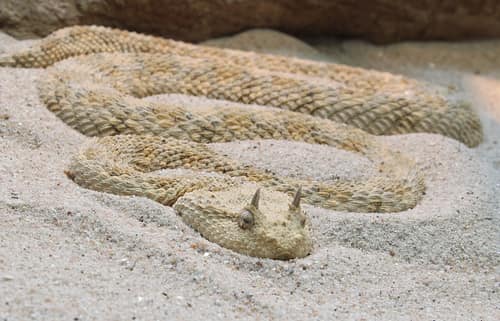
Predator Holger Krisp / CC BY 3.0 · cc-by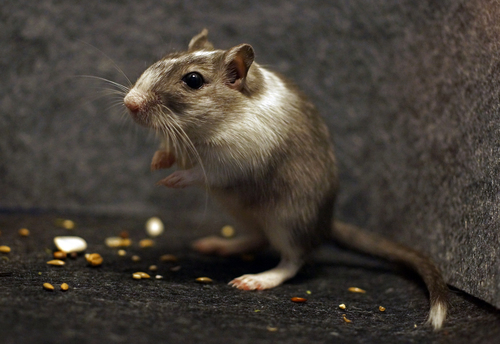
Close Relative (c) Allie_Caulfield, some rights reserved (CC BY) · cc-by
Help improve the field guideSomething wrong?
Checking your Fauna account…Report a name, category, or profile issue for review.