
Mammal
Indian Pangolin
Manis crassicaudataAlso known as Thick-tailed Pangolin, Scaly Anteater
Indian pangolins spend daylight hours resting in underground burrows up to six meters deep, emerging after dusk to forage across dry scrubland and dense forests. Equipped with muscular forelimbs and long claws, these armor-plated mammals tear open rock-hard termite mounds before sweeping up prey with a sticky tongue longer than their body. When threatened, they roll into an impenetrable ball while releasing a foul-smelling secretion from anal glands to deter predators.
NocturnalInsectivoreArmor-plated
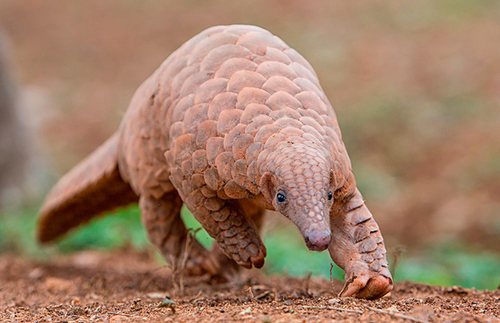
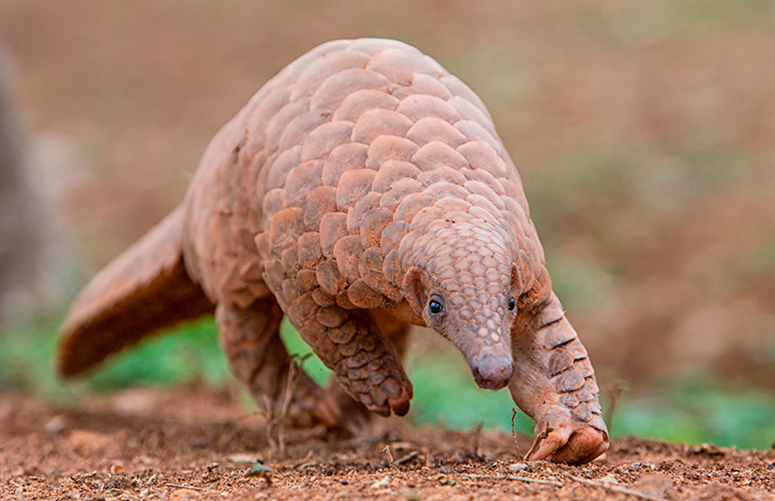
—observations
—countries
—peak records
EndangeredConservation statusIUCN Red List categoriesLCNTVUENCREWEXEndangeredRed List categories, explained →
Diet & preyAnts, Termites, Ant larvae
Predators
- Tiger
- Leopard
- Dhole
ThreatsIllegal poaching for scales and meat, habitat loss, electrocution by agricultural fences
HabitatsTropical and subtropical forests, scrublands, grasslands, agricultural edges
Life span15–20 years
Classification
- FamilyManidae
- SpeciesManis crassicaudata
Range data is not available yet.
Interaction riskLow
- Low
- Moderate
- High
- Very high
- Why interaction risk is low
- Shy and harmless; avoid handling to prevent distress and scratches from powerful digging claws.
- What to notice
- Look for a thick broad tail, amber to dark olive scales, and prominent curved digging claws on forefeet.
- Support conservation
- Maintain a respectful distance, keep exact location coordinates confidential, and never disturb burrows.
Responsible observation
- Night observation: Use red-filtered light during night walks to avoid disturbing active individuals.
- Burrow awareness: Avoid stepping on fresh den entrances, which signal active daytime burrows.
- Data privacy: Report sightings to conservation authorities without posting public GPS locations.
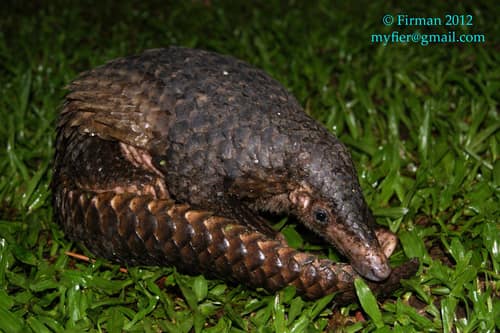
Close Relative (c) Firman, alguns direitos reservados (CC BY), carregado por Firman · cc-by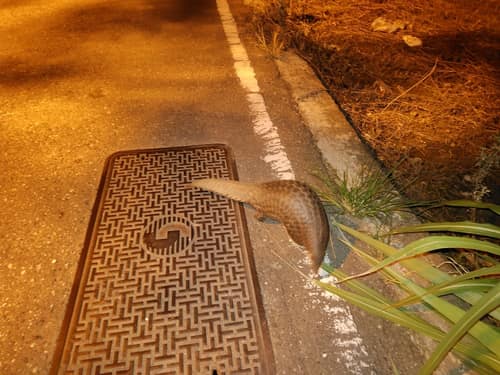
Close Relative (c) chiuluan, some rights reserved (CC BY) · cc-by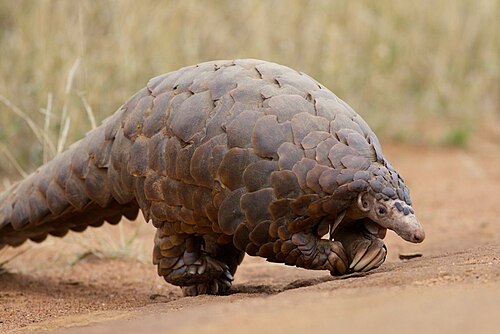
African Relative U.S. Fish and Wildlife Service Headquarters / CC BY 2.0 · cc-by
Help improve the field guideSomething wrong?
Checking your Fauna account…Report a name, category, or profile issue for review.