
Mammal
Black-tufted-ear Marmoset
Callithrix penicillataAlso known as Black-tufted Marmoset, Mico-estrela
Black-tufted-ear marmosets leap through the forest canopy in tightly knit family groups led by a dominant breeding pair. Specialized chisel-like incisors allow them to gnaw holes in tree bark, tapping into nutrient-rich gums and resins during seasons when fruit is scarce. Introduced populations thrive in urban parks across southeastern Brazil, adapting seamlessly to life alongside humans.
ArborealSocialTropical
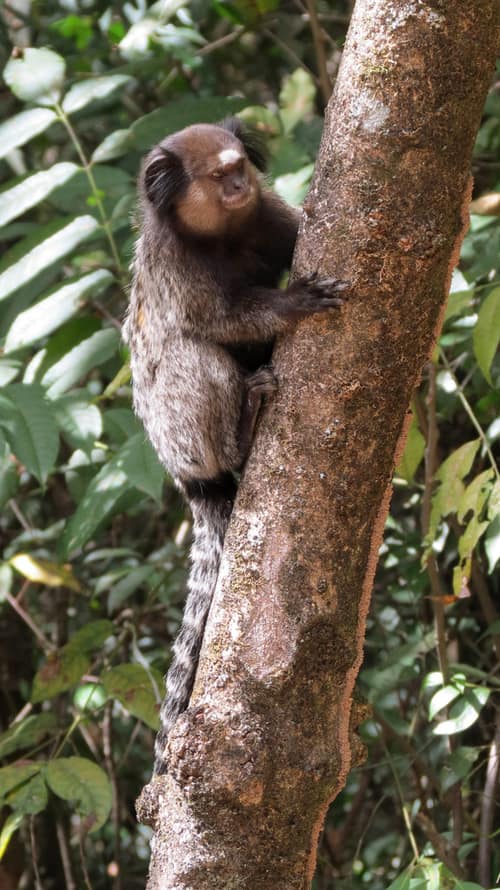
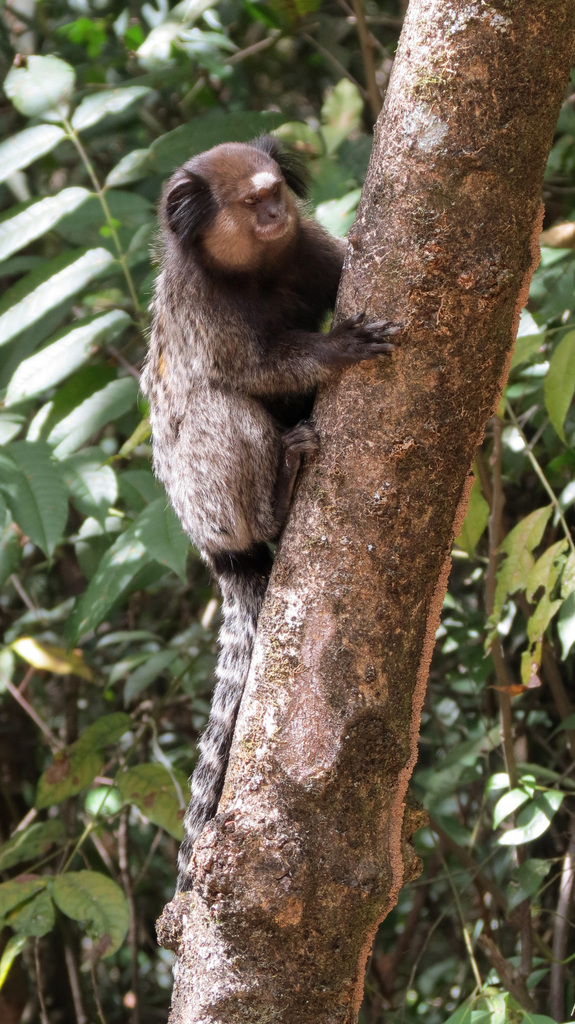
—observations
—countries
—peak records
Least ConcernConservation statusIUCN Red List categoriesLCNTVUENCREWEXLeast ConcernRed List categories, explained →
Diet & preyTree Sap, Insects, Tropical Fruits
Predators
- Raptors
- Snakes
- Tayras
ThreatsHabitat fragmentation, illegal pet trade, hybridization with non-native marmosets
HabitatsGallery forests, cerrado woodlands, rainforests, urban parks
Life span10–15 years
Classification
- FamilyCallitrichidae
- SpeciesCallithrix penicillata
Range data is not available yet.
Interaction riskLow
- Low
- Moderate
- High
- Very high
- Why interaction risk is low
- Can deliver sharp bites if cornered or handled; maintain a safe distance.
- Why it is dangerous
- Possesses sharp incisors intended for wood gnawing, capable of inflicting deep puncture wounds if cornered.
- How to recognize a risky encounter
- Recognizable by prominent fan-like black hair tufts around the ears and a long gray-ringed tail.
- What to do
- Observe from several meters away; never attempt to touch, catch, or feed wild marmosets.
Responsible observation
- Observe from Below: Look high in gallery forest trees or canopy layers where troops leap actively.
- Avoid Feeding: Refrain from offering human snacks to prevent diet-related disease and aggression.
- Listen for Calls: Track high-pitched trills and alarm whistles to locate moving family groups.
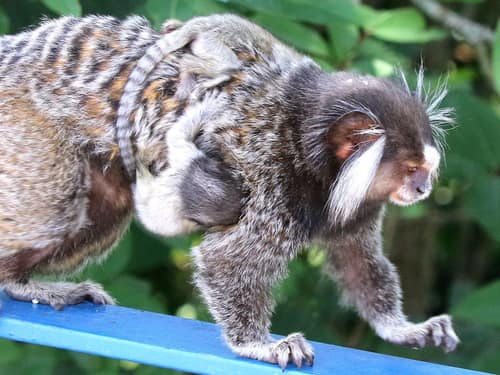
Close Relative (c) Peter Chen 2.0, some rights reserved (CC BY), uploaded by Peter Chen 2.0 · cc-by Image unavailable
Close Relative Close Relative
Help improve the field guideSomething wrong?
Checking your Fauna account…Report a name, category, or profile issue for review.