
Mammal · GBIF taxon 5219533
Bonobo
Pan paniscusAlso known as Pygmy Chimpanzee, Dwarf Chimpanzee
Bonobos inhabit the dense tropical rainforests south of the Congo River, living in cohesive female-led social groups. They rely heavily on grooming and non-conceptive sexual contact to forge social bonds, resolve conflicts, and maintain group harmony. Their diet consists mainly of ripe fruit, supplemented by terrestrial herbaceous vegetation, leaves, and small invertebrates.
ArborealSocial


Licensed referencenatataek / CC BY-SA 3.0 · cc-by-sa
—observations
—countries
—peak records
EndangeredConservation statusIUCN Red List categoriesLCNTVUENCREWEXEndangeredRed List categories, explained →
Diet & prey
- Fruits
- Herbaceous shoots
- Insects
Predators
- Leopard
ThreatsPoaching, habitat loss, political instability, human disease transmission
HabitatsLowland tropical rainforests, swamp forests
Life span40–50 years in the wild; up to 60 years in captivity
Size / weightNot available
Classification
- FamilyHominidae
- SpeciesPan paniscus
Range data is not available yet.
Interaction riskHigh
- Low
- Moderate
- High
- Very high
- Why interaction risk is high
- Capable of severe defensive bites; maintain a safe distance and never approach in the wild.
- Why it is dangerous
- Powerful limb muscles and sharp canine teeth allow bonobos to inflict severe bite wounds if cornered or threatened.
- How to recognize a risky encounter
- Look for dark skin, pink lips, slender legs, and long black hair parted down the middle of the scalp.
- What to do
- Observe only from a respectful distance with official guides, avoiding direct eye contact or sudden movements.
- What to notice
- Slender-bodied great ape with a dark face and distinctive parted hair, endemic to the Democratic Republic of the Congo.
- Support conservation
- Maintain strict distance guidelines and wear medical masks when visiting research or sanctuary sites.
Responsible observation
- Safe Viewing: Keep a distance of at least ten meters to protect both apes and observers.
- Health Standards: Wear protective face masks during wild encounters to avoid disease transmission.
- Ethical Support: Support community-led conservation programs that protect critical forest habitat.
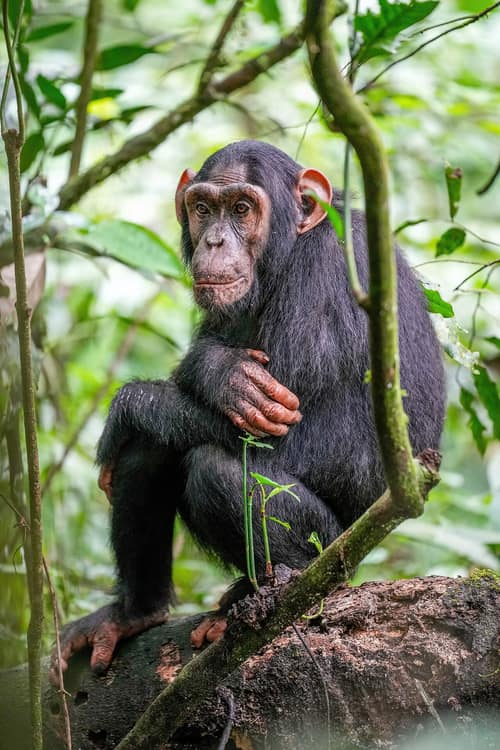
Close Relative Giles Laurent / CC BY-SA 4.0 · cc-by-sa
Close Relative no rights reserved, uploaded by Abhas Misraraj · cc0
Family Member Brocken Inaglory / CC BY-SA 3.0 · cc-by-sa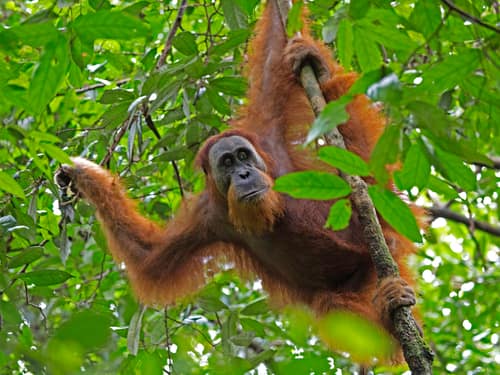
Family Member (c) Lip Kee, some rights reserved (CC BY-SA) · cc-by-sa
Help improve the field guideSomething wrong?
Checking your Fauna account…Report a name, category, or profile issue for review.