
Mammal · GBIF taxon 5219470
Hispaniolan Solenodon
Solenodon paradoxusAlso known as Agouta
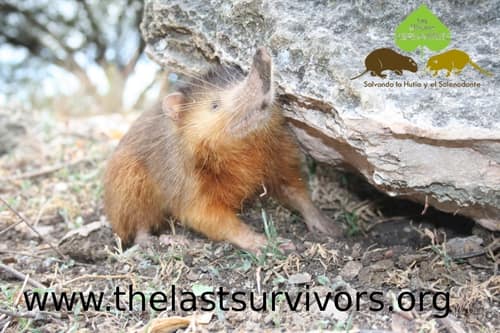
Hispaniolan solenodons are ancient, nocturnal mammals endemic to the island of Hispaniola, retaining primitive features virtually unchanged for millions of years. Equipped with flexible, cartilage-reinforced snouts and specialized lower incisors that inject venomous saliva, they forage through leaf litter for soil invertebrates under cover of darkness. Scent glands on their flanks produce a strong musky odor, helping these solitary creatures mark territory along subterranean burrows and forest trails.
NocturnalVenomousEndemic
—observations
—countries
—peak records
Least ConcernConservation statusIUCN Red List categoriesLCNTVUENCREWEXLeast ConcernRed List categories, explained →
Diet & prey
- Earthworms
- Beetle larvae
- Centipedes
Predators
- Feral dogs
- Feral cats
- Small Indian mongoose
ThreatsPredation by invasive dogs and cats, habitat loss from agriculture and deforestation
HabitatsTropical moist forests, dry scrublands, rocky limestone outcrops
Life spanUp to 11 years in captivity; 5–8 years in the wild
Size / weightNot available
Classification
- FamilySolenodontidae
- SpeciesSolenodon paradoxus
Native
Interaction riskVery high
- Low
- Moderate
- High
- Very high
- Why interaction risk is very high
- Delivers a painful venomous bite if handled; observe from a respectful distance without attempting capture.
- Why it is dangerous
- Possesses specialized lower incisors connected to venom glands, delivering toxic saliva that causes swelling and intense pain.
- How to recognize a risky encounter
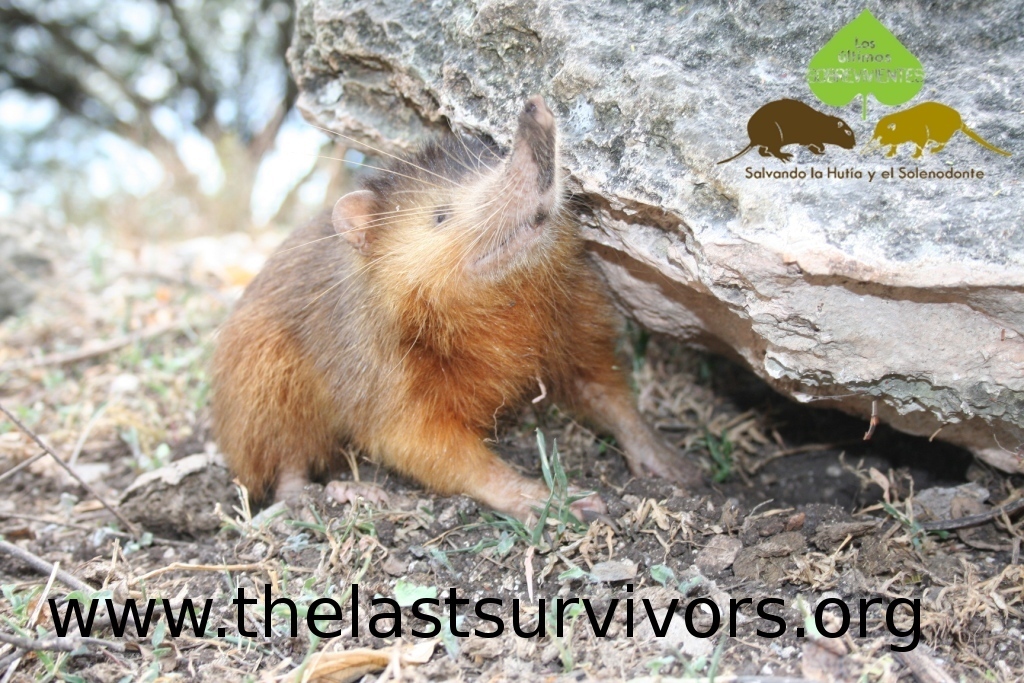
- Recognizable by its elongated flexible snout, small eyes, coarse reddish-brown coat, and hairless tail.
- What to do
- Never handle or corner a solenodon; allow it clear space to retreat into underbrush or burrows.
- What to notice
- Identified by its long probe-like snout and shuffling nocturnal foraging behavior in native forests.
- Support conservation
- Keep domestic dogs leashed in natural areas and maintain a quiet, distant observation posture.
Responsible observation
- Night Searches: Use red-filtered illumination during night walks to prevent disturbing nocturnal activity.
- Leave Burrows Intact: Avoid disturbing rock crevices, hollow logs, or soil openings where solenodons rest.
- Report Sightings: Document sightings with local conservation groups tracking Hispaniola's endemic wildlife.
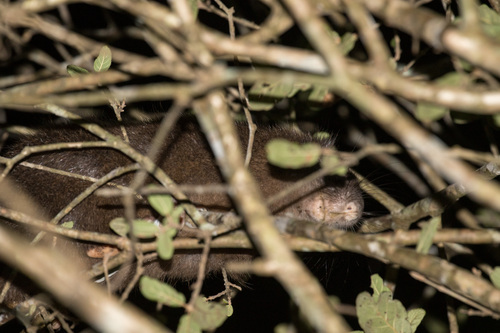
Co-occurring Endemic (c) Tom Field, some rights reserved (CC BY), uploaded by Tom Field · cc-by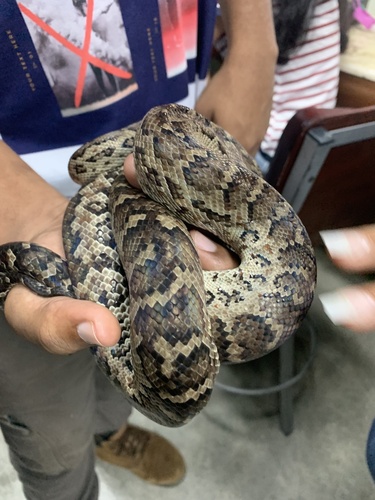
Native Predator (c) Dairon Cuevas Riveras, some rights reserved (CC BY-SA) · cc-by-sa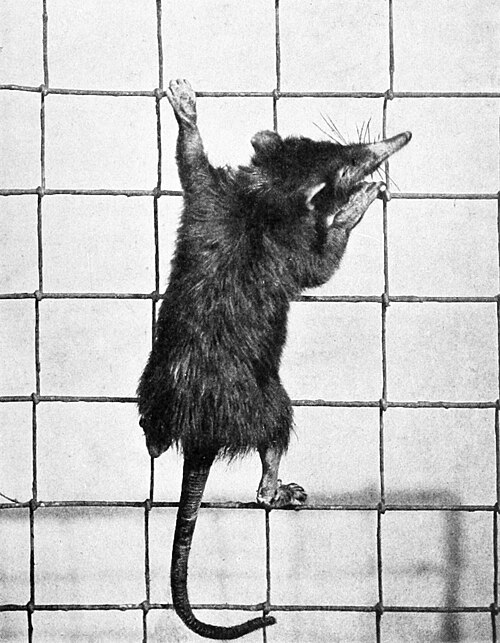
Close Relative New York Zoological Society (present-day Wildlife Conservation Society) / Public domain · cc0
Help improve the field guideSomething wrong?
Checking your Fauna account…Report a name, category, or profile issue for review.