
Mammal
Sumatran Elephant
Elephas maximus sumatranusAlso known as Sumatran Asian Elephant
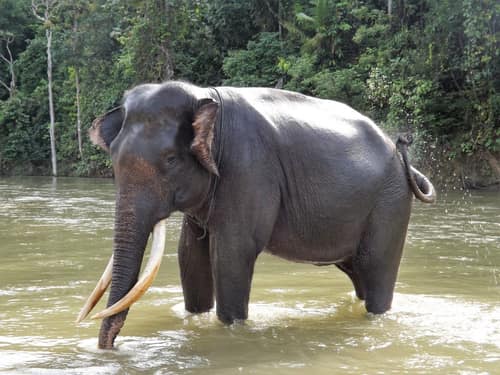
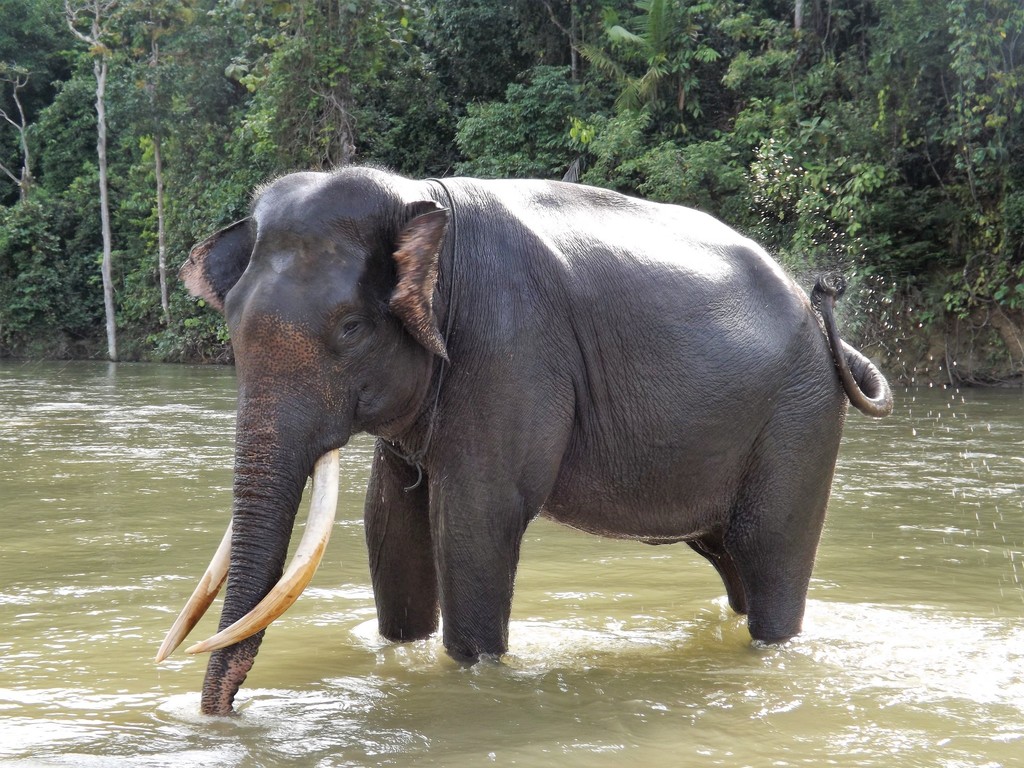
Sumatran elephants are the smallest of the Asian elephant subspecies, moving through the dense tropical forests of Sumatra in close-knit matriarchal herds. These highly intelligent giants play a crucial role in their ecosystem by dispersing seeds and creating pathways through thick jungle undergrowth. Their survival is deeply intertwined with the health of Sumatra's rapidly disappearing lowland forests.
SocialKeystone SpeciesForest Dweller
—observations
—countries
—peak records
Critically EndangeredConservation statusIUCN Red List categoriesLCNTVUENCREWEXCritically EndangeredRed List categories, explained →
Diet & preyGrasses, Tree Bark, Wild Ginger
Predators
- Sumatran Tiger
- Humans
ThreatsDeforestation, habitat fragmentation, poaching, and human-elephant conflict
HabitatsTropical rainforests, lowland forests, and swamps
Life span60 to 70 years
Classification
- FamilyElephantidae
- SpeciesElephas maximus sumatranus
Range data is not available yet.
Interaction riskHigh
- Low
- Moderate
- High
- Very high
- Why interaction risk is high
- Extremely large and protective of young; maintain a safe distance and never approach on foot.
- Why it is dangerous
- These massive mammals can charge at high speeds if they feel threatened, cornered, or protective of their calves.
- How to recognize a risky encounter
- Look for flapping ears, a raised trunk, or trumpeting calls, which signal agitation.
- What to do
- Never approach on foot, and ensure your vehicle has a clear escape route at all times.
- What to notice
- Identified by their smaller size, lighter grey skin, and smaller ears compared to other elephants.
- Support conservation
- Avoid purchasing products containing unsustainably sourced palm oil to help protect their remaining habitat.
Responsible observation
- Keep Distance: Always observe elephants from a safe vehicle or designated viewing platform.
- Respect Herds: Give mothers with calves extra space, as they are highly protective.
- Support Eco-tourism: Visit managed national parks where entrance fees fund anti-poaching patrols.
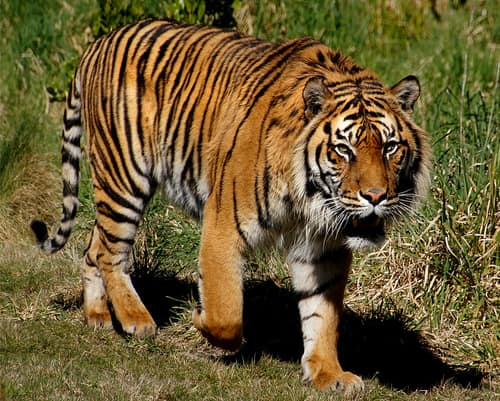
Co-habitant "Sumatran Tiger." by Bernard Spragg is marked with CC0 1.0. To view the terms, visit https://creativecommons.org/publicdomain/zero/1.0/. · cc0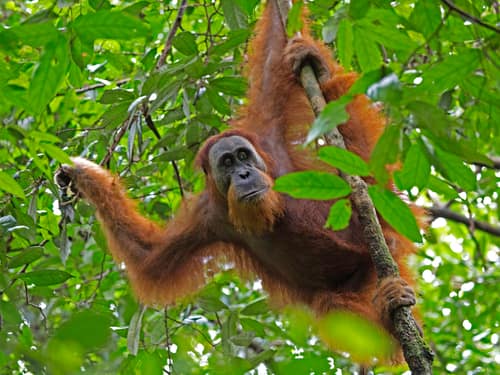
Frequent Companion (c) Lip Kee, some rights reserved (CC BY-SA) · cc-by-sa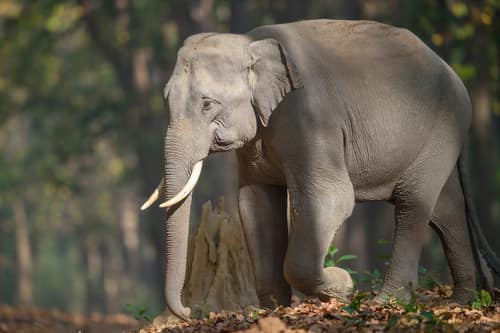
Close Relative (c) Morten Ross, some rights reserved (CC BY), uploaded by Morten Ross · cc-by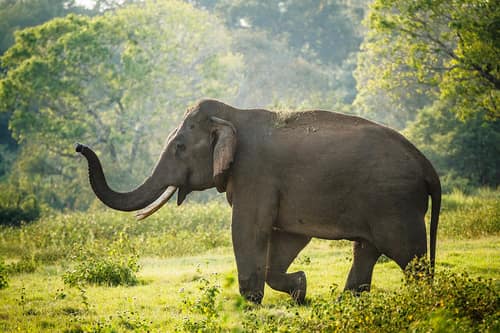
Close Relative Sumudusoyza007 / CC BY-SA 4.0 · cc-by-sa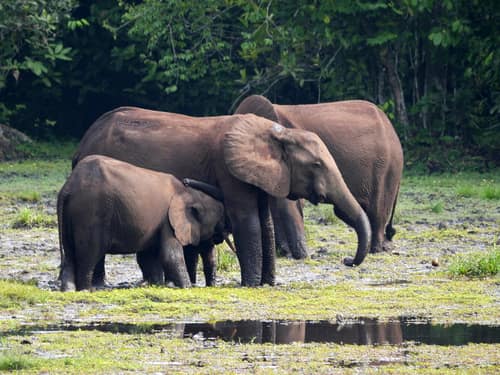
Distant Relative (c) Matt Muir, some rights reserved (CC BY), uploaded by Matt Muir · cc-by
Help improve the field guideSomething wrong?
Checking your Fauna account…Report a name, category, or profile issue for review.