
Mammal
Red Panda
Ailurus fulgensAlso known as Lesser Panda, Red Cat-Bear, Firefox
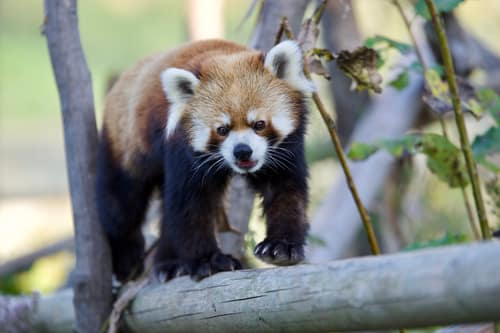
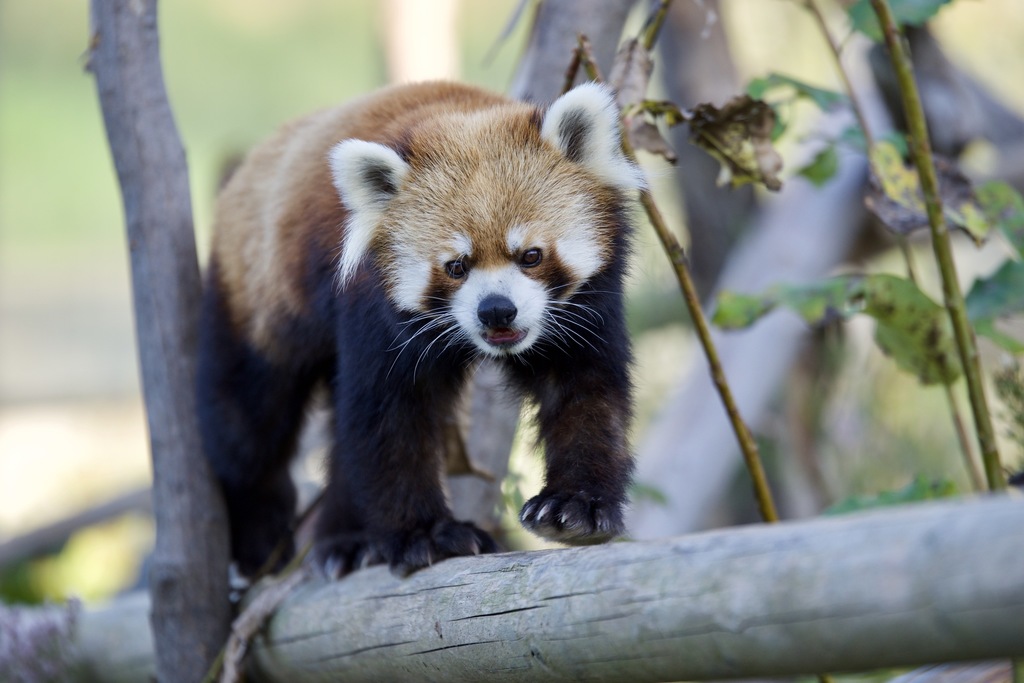
Red pandas spend most of their lives high in the moss-covered canopy of temperate Himalayan forests, using their bushy ringed tails for balance and insulation against freezing ridge winds. Equipped with a modified wrist bone that acts like an extra thumb, these solitary mammals grip bamboo stems with precision while foraging during dawn and dusk. Declining populations face ongoing pressure from habitat loss, making intact mountain forests critical for their survival.
ArborealCrepuscularMammal
—observations
—countries
—peak records
EndangeredConservation statusIUCN Red List categoriesLCNTVUENCREWEXEndangeredRed List categories, explained →
Diet & preyBamboo Shoots, Berries, Bird Eggs
Predators
- Snow Leopard
- Dhole
- Yellow-throated Marten
ThreatsHabitat fragmentation, deforestation, poaching, and livestock encroachment
HabitatsHigh-altitude temperate coniferous and mixed forests with dense bamboo understory
Life span8–10 years in the wild
Classification
- OrderCarnivora
- FamilyAiluridae
- GenusAilurus
- SpeciesAilurus fulgens
Native
Interaction riskLow
- Low
- Moderate
- High
- Very high
- Why interaction risk is low
- Shy and non-aggressive; observe quietly from a distance to avoid causing stress.
- What to notice
- Recognizable by rich reddish-brown upperparts, black underparts, a bushy ringed tail, and white snout markings.
- Support conservation
- Never attempt to approach or disturb wild individuals, and remain strictly on designated sanctuary trails.
Responsible observation
- Observation Etiquette: Maintain a quiet, respectful distance in protected reserves, as they startle easily.
- Spotting Strategy: Look high in mossy tree forks during dawn and dusk when activity peaks.
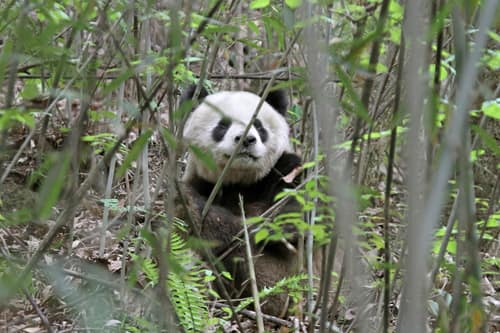
Distant Look-alike no rights reserved, uploaded by James Eaton · cc0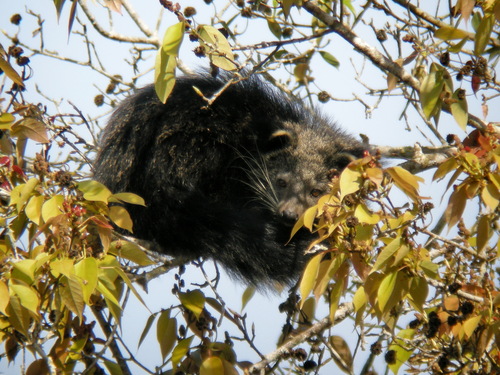
Ecological Counterpart (c) Ian Dugdale, some rights reserved (CC BY) · cc-by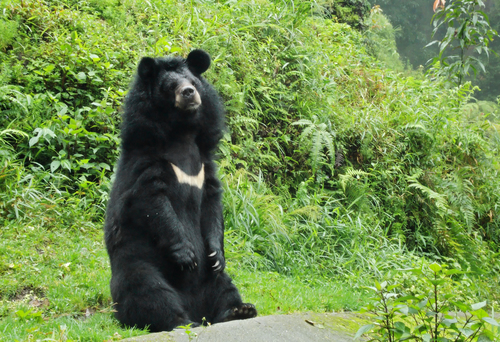
Habitat Neighbor (c) Joydeep, some rights reserved (CC BY-SA) · cc-by-sa
Help improve the field guideSomething wrong?
Checking your Fauna account…Report a name, category, or profile issue for review.