
Mammal
South China Tiger
Panthera tigris amoyensisAlso known as Amoy Tiger, Chinese Tiger
Tigers are solitary, territorial apex predators renowned for their camouflage striping and formidable hunting prowess across diverse forest, grassland, and mangrove biomes. They communicate through deep roars, chuffing vocalizations, and scent markings, hunting primarily by stealth ambush during twilight and night. Decades of intensive poaching, deforestation, and human conflict have severely fragmented wild populations, leaving several regional forms on the brink of extinction.
Apex PredatorCarnivoreNocturnal
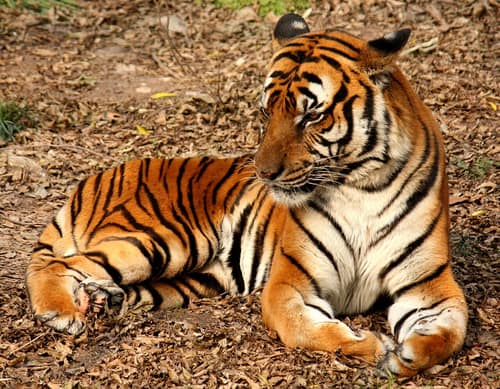
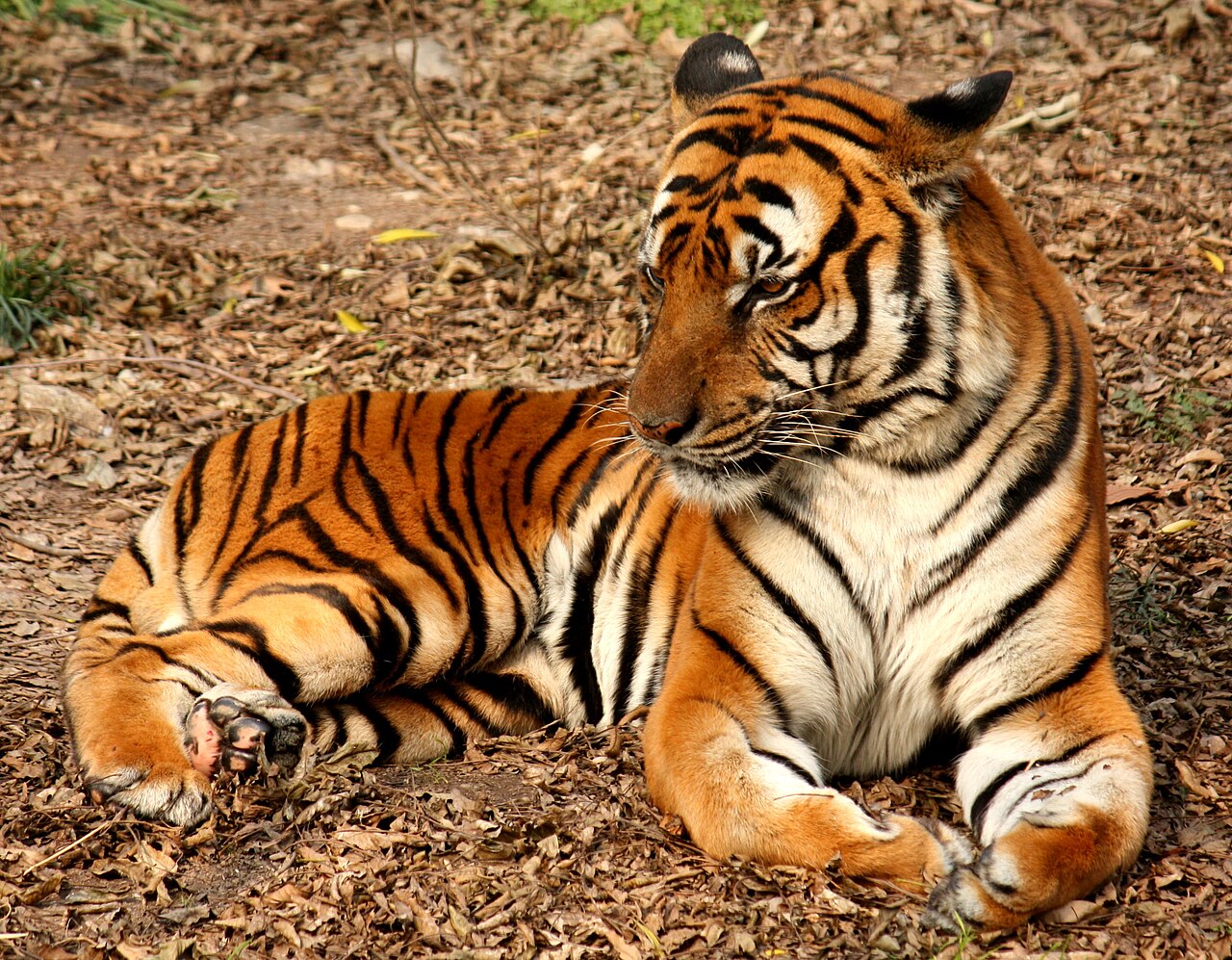
—observations
—countries
—peak records
Critically EndangeredConservation statusIUCN Red List categoriesLCNTVUENCREWEXCritically EndangeredRed List categories, explained →
Diet & preyWild Boar, Sambar Deer, Mainland Serow
ThreatsPoaching, severe prey depletion, habitat fragmentation, and genetic isolation
HabitatsSubtropical evergreen broadleaf forests, mountain woodlands, and dense shrublands
Life span10–15 years in the wild; up to 20 years in captivity
Classification
- FamilyFelidae
- SpeciesPanthera tigris amoyensis
Range data is not available yet.
Interaction riskHigh
- Low
- Moderate
- High
- Very high
- Why interaction risk is high
- Formidable apex predator capable of lethal attacks; never approach and observe only from secure safari vehicles or enclosures.
- Why it is dangerous
- Possesses massive crushing bite force, retracted claws, and exceptional speed capable of inflicting catastrophic or fatal trauma.
- How to recognize a risky encounter
- Look for a robust muscular body, reddish-orange coat with widely spaced narrow black stripes, and rounded ears with white spots behind.
- What to do
- Never turn your back or run if encountered; back away steadily while maintaining eye contact and seeking reinforced shelter.
- What to notice
- Slightly smaller than northern tiger forms, displaying shorter, broader skulls and intensely vivid orange coats with narrow stripes.
- Support conservation
- Strictly adhere to reserve viewing boundaries and avoid disturbing breeding pairs or interfering with rewilding enclosures.
Responsible observation
- Captive Viewing: Maintain quiet respect and observe from behind reinforced safety barriers at specialized breeding reserves.
- Support Conservation: Direct resources to anti-poaching initiatives and captive rewilding programs working to rebuild forest corridors.
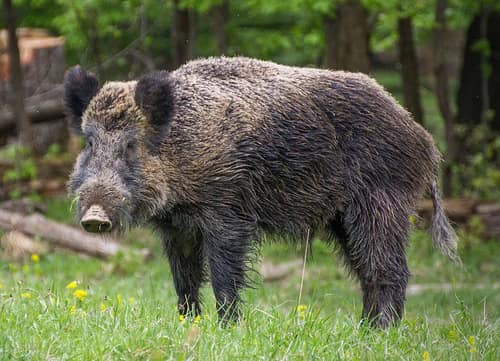
Prey Valentin Panzirsch / CC BY-SA 3.0 at · cc-by-sa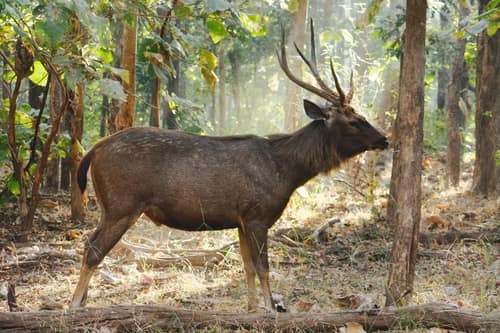
Prey (c) Rashityagi, some rights reserved (CC BY-SA) · cc-by-sa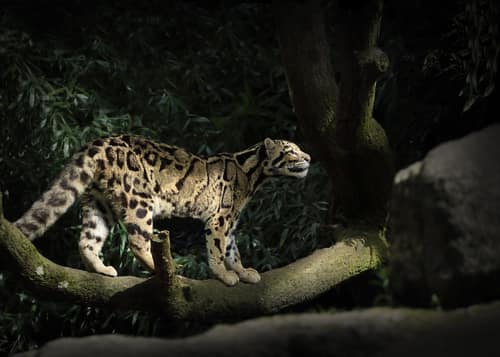
Competitor "Clouded Leopard catching the light" by charlieishere@btinternet.com is licensed under CC BY 2.0. To view a copy of this license, visit https://creativecommons.org/licenses/by/2.0/. · cc-by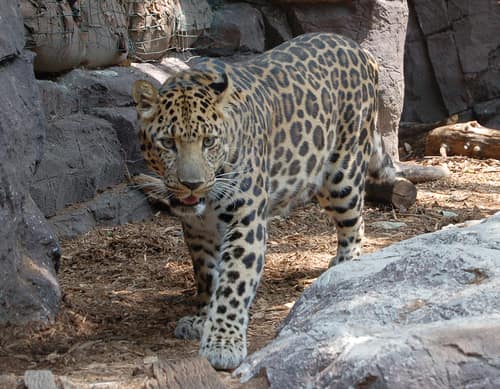
Close Relative (c) Ram-Man, some rights reserved (CC BY-SA) · cc-by-sa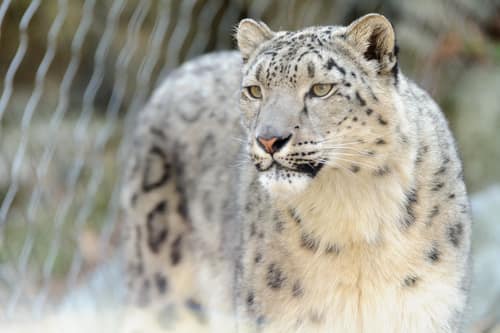
Close Relative "Snow Leopard from the Side" by Eric Kilby is licensed under CC BY-SA 2.0. To view a copy of this license, visit https://creativecommons.org/licenses/by-sa/2.0/. · cc-by-sa
Help improve the field guideSomething wrong?
Checking your Fauna account…Report a name, category, or profile issue for review.