
Mammal · GBIF taxon 5219420
Siberian Tiger
Panthera tigris altaicaAlso known as Amur Tiger, Ussuri Tiger, Northeast China Tiger, Manchurian Tiger
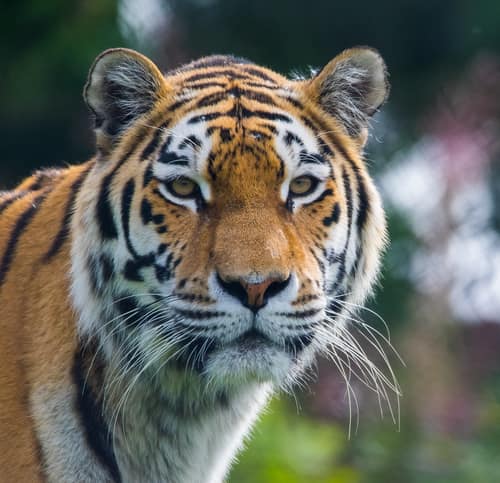
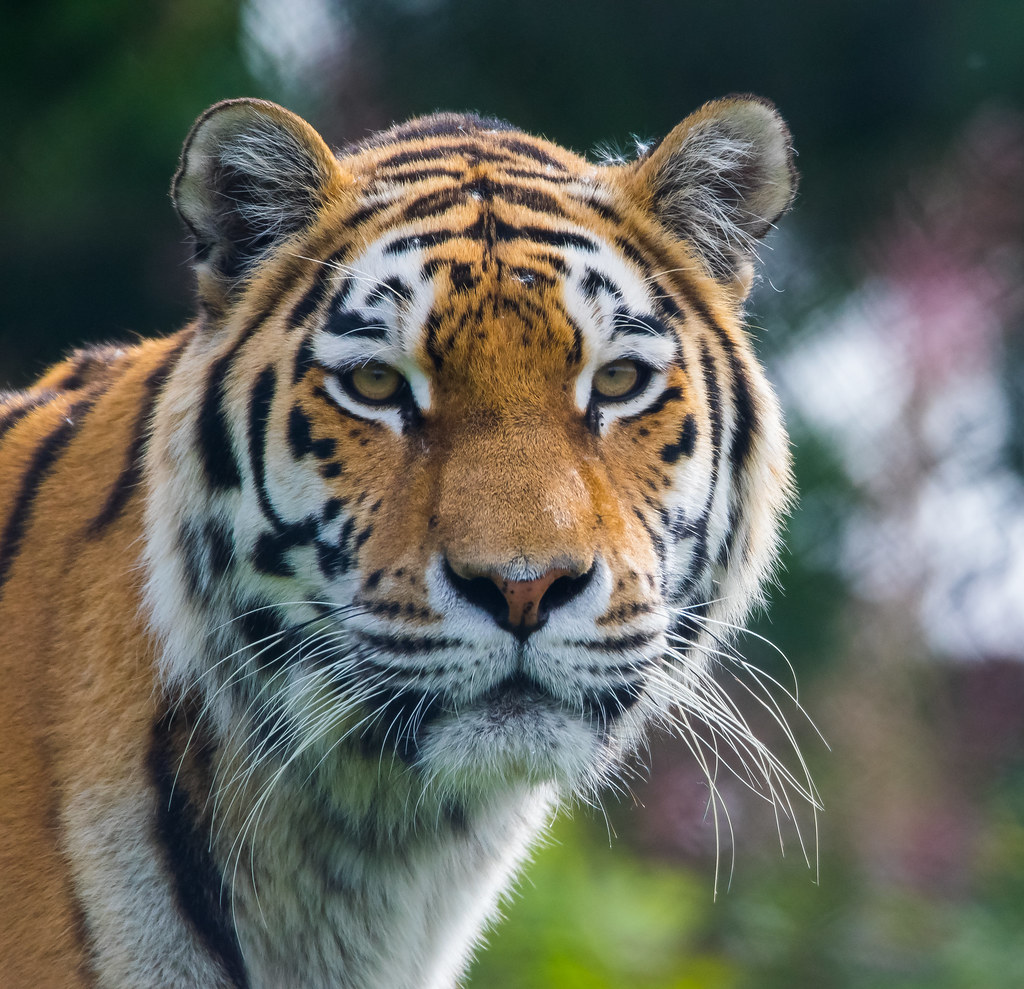
Siberian tigers are the largest of all wild cats, clad in thick, pale orange fur dense enough to withstand punishing sub-zero temperatures in the Russian Far East. These solitary apex predators patrol massive home ranges spanning hundreds of square kilometers, silently tracking wild boar and red deer across snow-covered taiga. Females raise litters of two to four cubs in secluded rocky dens, teaching them survival skills over two years before the young establish their own territories.
MammalApex PredatorSolitary
—observations
—countries
—peak records
EndangeredConservation statusIUCN Red List categoriesLCNTVUENCREWEXEndangeredRed List categories, explained →
Diet & prey
- Wild Boar
- Red Deer
- Sika Deer
Predators
Not available
ThreatsPoaching, habitat loss and fragmentation, prey depletion, human conflict
HabitatsBoreal forests, temperate birch and pine woodlands, mountainous taiga
Life span10–15 years in the wild (up to 20+ in captivity)
Size / weightNot available
Classification
- FamilyFelidae
- SpeciesPanthera tigris altaica
Range data is not available yet.
Interaction riskHigh
- Low
- Moderate
- High
- Very high
- Why interaction risk is high
- Apex predator capable of fatal attacks; maintain maximum distance and never approach in the wild.
- Why it is dangerous
- Immense body mass and powerful jaw strength make this apex predator capable of causing fatal wounds to humans.
- How to recognize a risky encounter
- Recognized by its thick pale orange fur, broad black stripes, white belly, and massive muscular build.
- What to do
- Never travel alone in wild tiger territory, avoid running if confronted, and retreat slowly without turning your back.
- What to notice
- Distinguished by massive size, dense winter coat, and distinct striping unique to cold-climate tiger populations.
- Support conservation
- Observe strictly from official wildlife corridors, do not reveal precise GPS locations of sightings, and support certified reserves.
Responsible observation
- Observing in the Wild: Only attempt sightings through licensed guided tours in designated national parks.
- Vehicle Safety: Stay inside secured vehicles or observation blinds when traveling through known tiger territories.
- Travel Caution: Avoid walking alone on foot through remote taiga or dense thickets where tigers hunt.
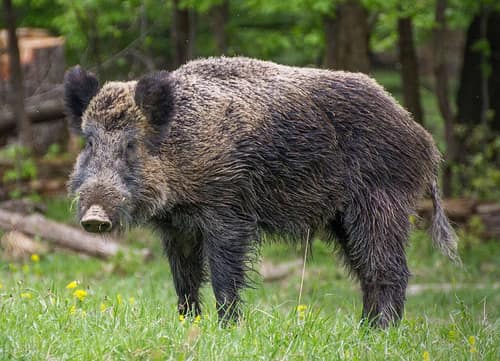
Prey Valentin Panzirsch / CC BY-SA 3.0 at · cc-by-sa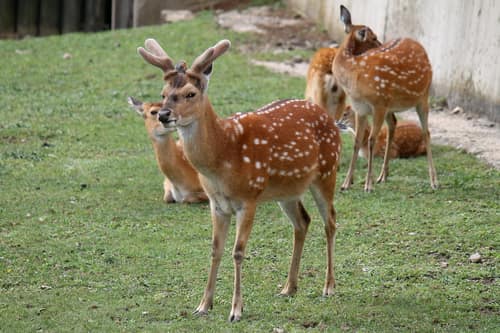
Prey "Vietnamese Sika Deer" by elPadawan is licensed under CC BY-SA 2.0. To view a copy of this license, visit https://creativecommons.org/licenses/by-sa/2.0/. · cc-by-sa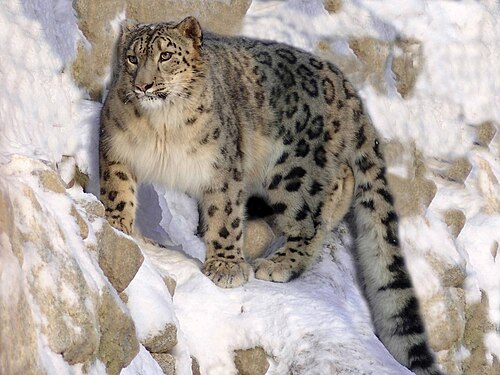
Close Relative Irbis1983 / Public domain · cc0
Help improve the field guideSomething wrong?
Checking your Fauna account…Report a name, category, or profile issue for review.