
Mammal
Ladoga Ringed Seal
Pusa hispida ladogensisAlso known as Ladoga Seal, Lake Ladoga Seal
Ladoga ringed seals are small, dark freshwater seals characterized by pale ring patterns scattered across their dark coats. They spend winters constructing snow lairs over breathing holes in the ice sheet of Lake Ladoga, where mothers nurse single white-coated pups. As spring thaws the lake, adults gather on rocky islets and floating ice floes to molt and bask in the sun.
EndemicFreshwaterIce-dependent
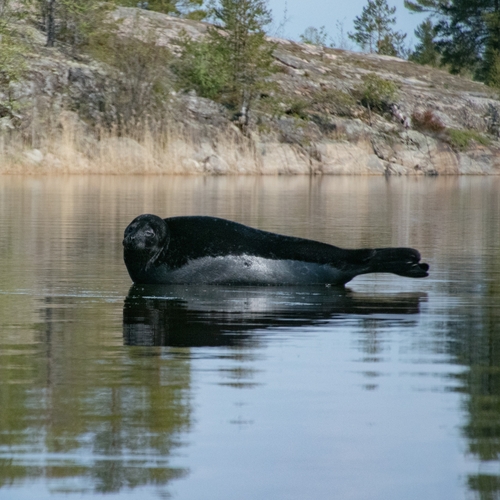
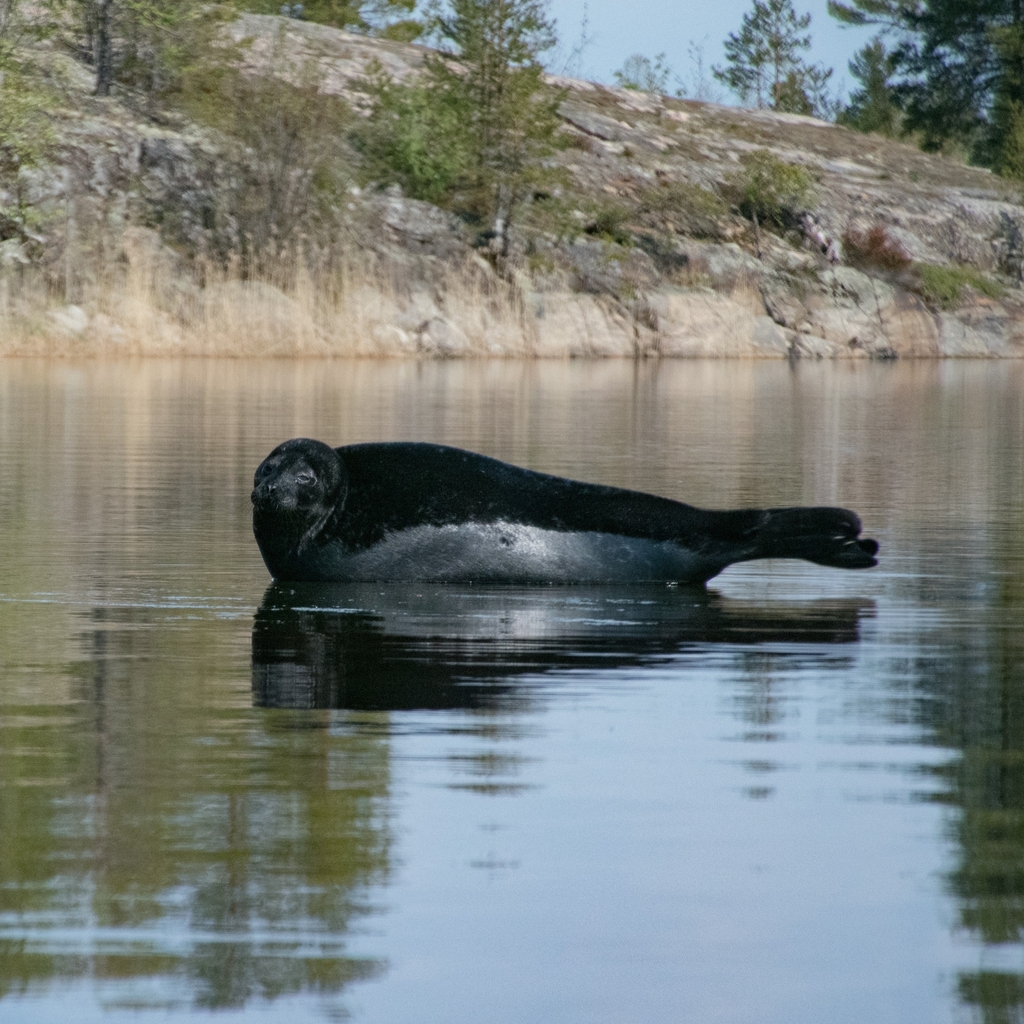
—observations
—countries
—peak records
VulnerableConservation statusIUCN Red List categoriesLCNTVUENCREWEXVulnerableRed List categories, explained →
Diet & preyLake Smelt, Ruffe, European Perch
Predators
- White-tailed Eagle
- Red Fox
- Human
ThreatsAccidental entanglement in fishing nets, loss of winter ice cover from climate warming, and water pollution
HabitatsFreshwater lake, winter ice sheets, rocky islands, and coastal shallows
Life span30–35 years
Classification
- FamilyPhocidae
- SpeciesPusa hispida ladogensis
Range data is not available yet.
Interaction riskLow
- Low
- Moderate
- High
- Very high
- Why interaction risk is low
- Wild seals may bite if cornered or handled; observe from a safe distance on land or water.
- What to notice
- Look for a small, dark seal with pale ring markings swimming or resting in Lake Ladoga.
- Support conservation
- Keep at least 100 meters away on the water and avoid approaching winter snow lairs on the ice.
Responsible observation
- Shoreline Watching: Use binoculars or a long lens to view seals without disrupting their rest.
- Ice Precautions: Avoid approaching snow mounds or ice ridges that may conceal breeding lairs.
- Boating Distance: Maintain slow speeds and stay at least 100 meters away from haul-out sites.
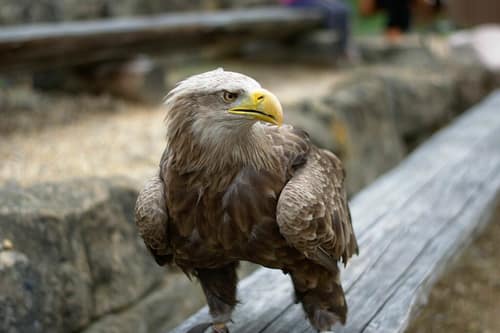
Predator (c) Flocci Nivis, some rights reserved (CC BY-SA) · cc-by-sa
Distant Relative (c) Sergey Gabdurakhmanov, some rights reserved (CC BY) · cc-by
Help improve the field guideSomething wrong?
Checking your Fauna account…Report a name, category, or profile issue for review.