
Mammal
Ringed Seal
Pusa hispidaAlso known as Jar Seal, Natsiq, Foetida Seal
Ringed seals maintain breathing holes through thick Arctic sea ice using heavy claws on their foreflippers, allowing them to remain under solid ice cover year round. Females excavate snow lairs directly over these holes to give birth and nurse their pups in insulated, hidden chambers protected from polar weather. As key drivers of the polar ecosystem, their seasonal movements and breeding success depend closely on stable ice conditions and sufficient snow cover.
ArcticIce-DependentMarine Mammal
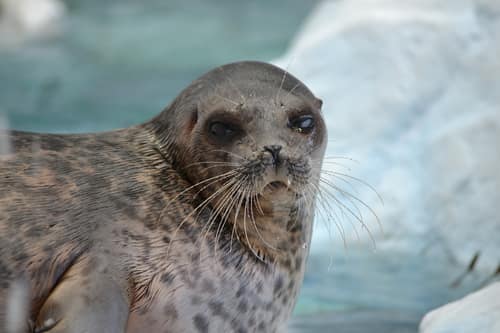

—observations
—countries
—peak records
Least ConcernConservation statusIUCN Red List categoriesLCNTVUENCREWEXLeast ConcernRed List categories, explained →
Diet & preyPolar Cod, Arctic Cod, Amphipods
Predators
- Polar Bear
- Arctic Fox
- Orca
ThreatsClimate change and loss of sea ice, coastal industrial activity, and pollution
HabitatsArctic sea ice, pack ice, fast ice, and fjord waters
Life span25–40 years
Classification
- FamilyPhocidae
- SpeciesPusa hispida
Native
Interaction riskLow
- Low
- Moderate
- High
- Very high
- Why interaction risk is low
- Capable of a defensive bite if closely approached or cornered; observe quietly from a respectful distance.
- What to notice
- Look for small, dark-spotted seals resting near small openings in solid sea ice or on drifting floes.
- Support conservation
- Maintain a strict distance on foot or snowmobile, keeping quiet to avoid causing seals to flush into freezing water.
Responsible observation
- Observing on Ice: Maintain a generous distance so seals do not abandon their breathing holes or haul out spots.
- Boating Caution: Slow vessel speeds near ice floes to avoid disturbing resting mothers and vulnerable pups.
- Optics Preferred: Use binoculars or telephoto lenses rather than approaching on foot across ice edges.
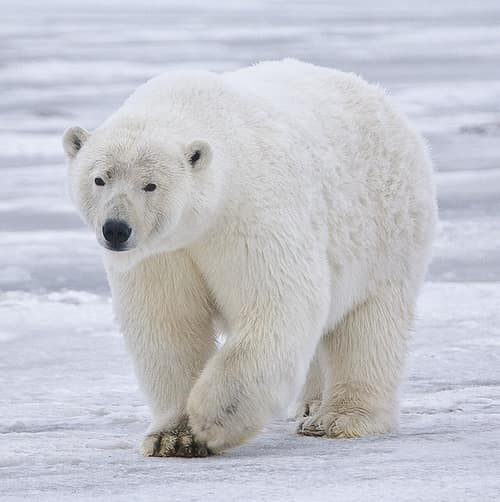
Predator Alan Wilson / CC BY-SA 3.0 · cc-by-sa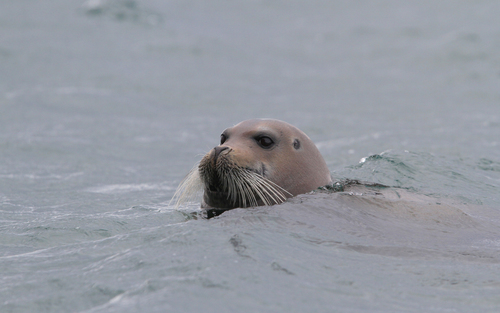
Frequent Companion (c) Christoph Moning, some rights reserved (CC BY), uploaded by Christoph Moning · cc-by
Prey (c) Havforskningsinstituttet, some rights reserved (CC BY) · cc-by
Close Relative (c) Sergey Gabdurakhmanov, some rights reserved (CC BY) · cc-by
Close Relative (c) Aboutaleb Nadri, some rights reserved (CC BY) · cc-by
Help improve the field guideSomething wrong?
Checking your Fauna account…Report a name, category, or profile issue for review.