Also known as Warrigal, Australian Dingo, New Guinea Singing Dog, Maliki
Dingoes are Australia's apex terrestrial predators, displaying exceptional agility, rotating wrists that allow tree climbing, and a flexible head joint built for navigating dense scrub. Unlike domestic dogs, pure dingoes breed only once a year and communicate through complex, mournful howls rather than repetitive barking. They play a vital ecological role by regulating populations of large herbivores and introduced mesopredators like feral cats and foxes across vast tracts of the outback.
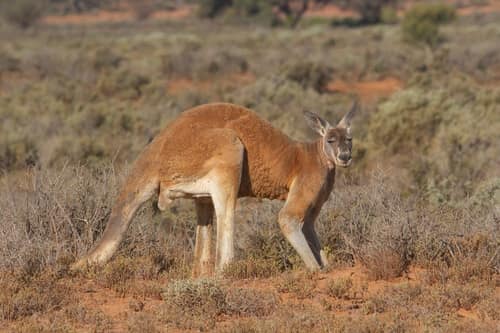
Diet & preyRed Kangaroo, European Rabbit, Agile Wallaby
Predators
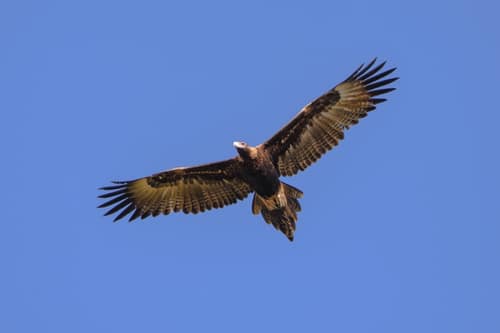
Wedge-tailed Eagle
Saltwater Crocodile
ThreatsHybridization with domestic dogs, widespread lethal baiting, trapping, and pastoral fencing
HabitatsDeserts, grasslands, sclerophyll forests, coastal dunes, and alpine woodland
Life span7–10 years in the wild; up to 15 years in captivity
Classification
FamilyCanidae
SpeciesCanis dingo
Range & activity
Range data is not available yet.
Safe observation
Interaction riskModerate
Low
Moderate
High
Very high
Why interaction risk is moderate
Habituated wild individuals can bite or become aggressive; never feed or approach them.
Why it is dangerous
Wild or food-habituated dingoes possess powerful jaws and can deliver severe bites, especially when defending territory or associating humans with food handouts.
How to recognize a risky encounter
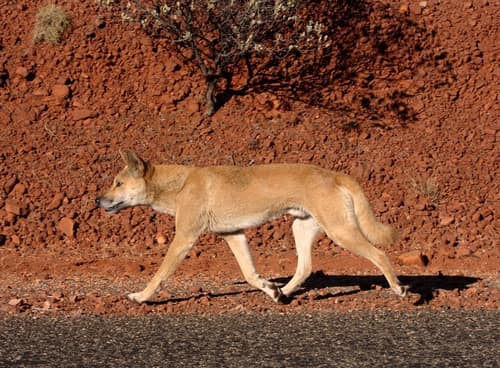
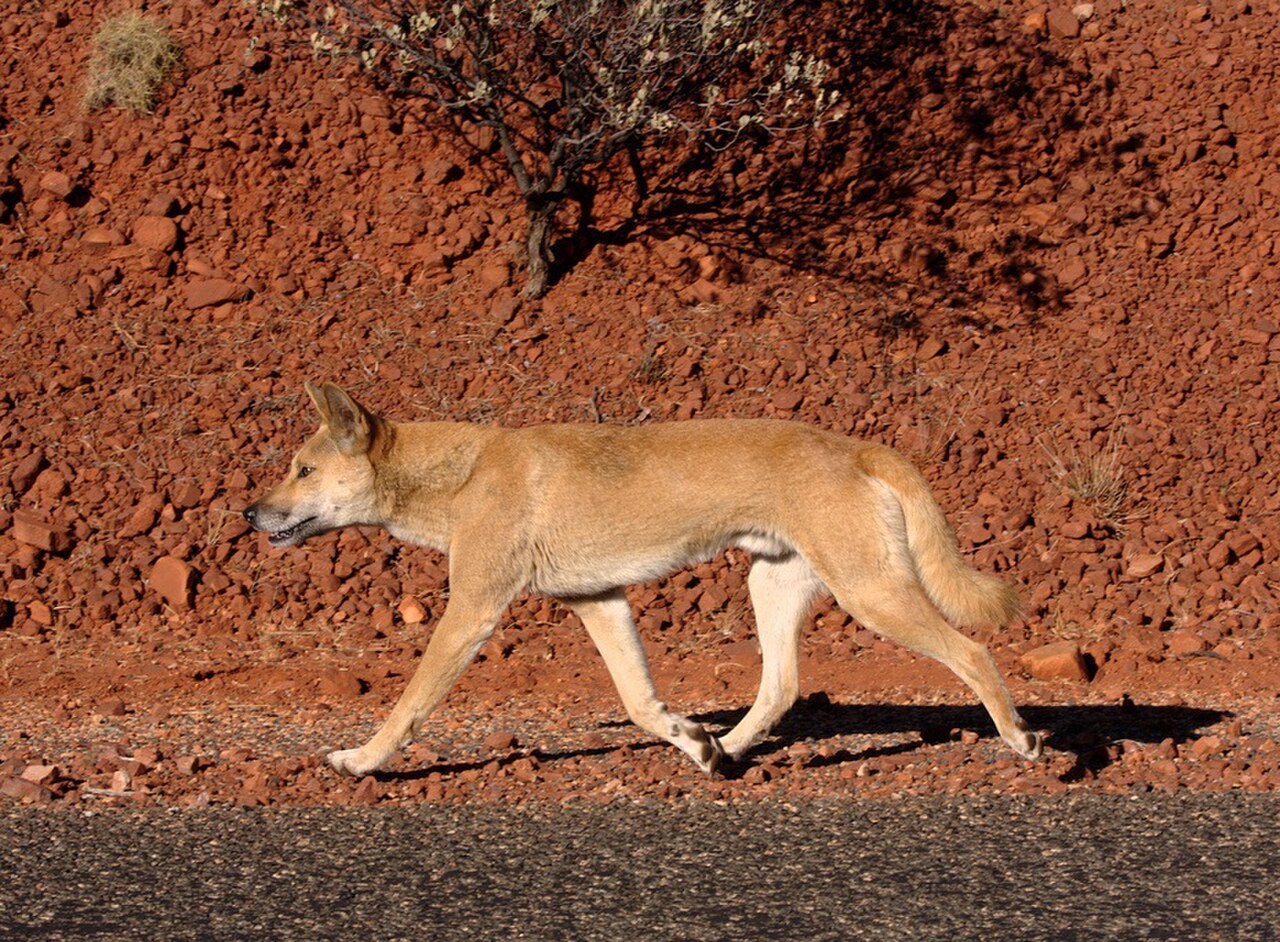
Look for a lean, athletic canid with an ginger-sandy to tan coat, white paws, erect ears, and a bushy tail tip.
What to do
Never feed or corner a dingo; fold arms across the chest, keep children close, and calmly back away while maintaining eye contact.
What to notice
Pure individuals typically display sabre-shaped bushy tails, erect triangular ears, broad skulls, and absence of dewclaws on hind feet.
Support conservation
Observe from designated viewing areas or vehicles, respect protected national park perimeters, and report deliberate feeding to park rangers.
Responsible observation
Distance: Maintain a respectful distance and never encourage dingoes to approach.
Food storage: Secure all foodstuffs and rubbish in airtight, lockable bins when camping.
Behavior: Stand tall, face the animal, and back away slowly without running if approached.