
Mammal
Wolverine
Gulo guloAlso known as Carcajou, Glutton, Quickhatch, Skunk Bear
Wolverines wander vast, snow-covered territories across northern wilderness, patrolling hundreds of square kilometers in search of carrion and small mammals. Equipped with dense, frost-resistant fur and oversized paws that act as natural snowshoes, they thrive in punishing subzero environments. Females dig deep maternity dens within persistent spring snowpacks to nurse and shield their kits from severe weather and predators.
CarnivoreSolitaryArctic
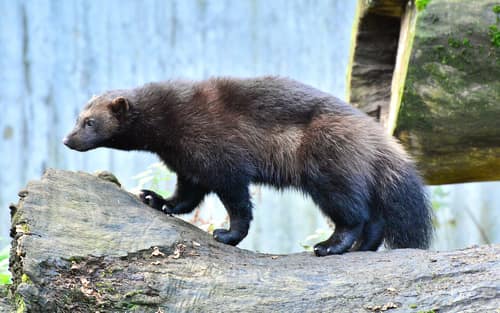
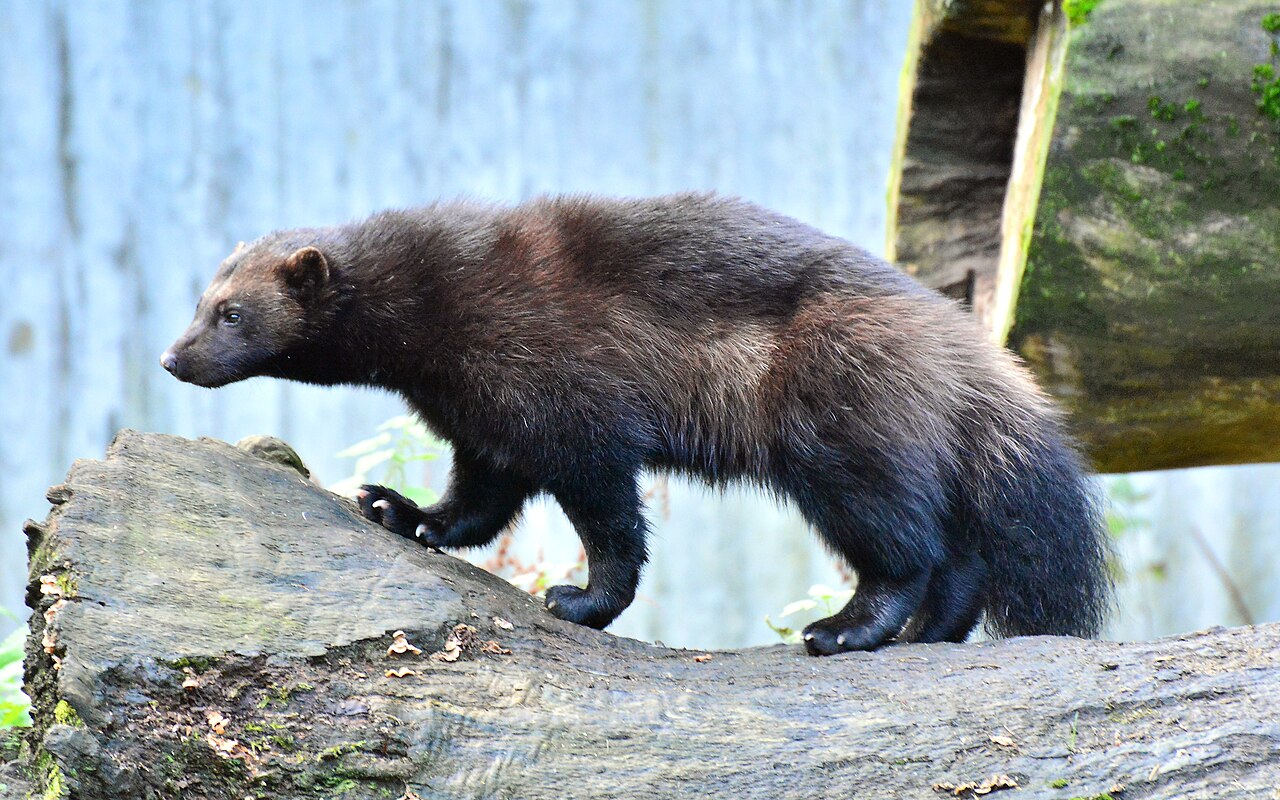
—observations
—countries
—peak records
Least ConcernConservation statusIUCN Red List categoriesLCNTVUENCREWEXLeast ConcernRed List categories, explained →
Diet & preyReindeer, Snowshoe Hare, Lemming
Predators
- Gray Wolf
- Brown Bear
- Cougar
ThreatsClimate change reducing spring snowpack, habitat fragmentation, and trapping
HabitatsBoreal forests, taiga, alpine tundra, and arctic tundra
Life span8–12 years in the wild
Classification
- FamilyMustelidae
- SpeciesGulo gulo
Range data is not available yet.
Interaction riskLow
- Low
- Moderate
- High
- Very high
- Why interaction risk is low
- Possesses formidable teeth and jaws; do not approach or corner a wild individual.
- Why it is dangerous
- Equipped with powerful crushing jaws and sharp claws adapted for tearing frozen flesh and bone, which can inflict traumatic wounds if cornered.
- How to recognize a risky encounter
- Look for a stocky, bear-like profile with dark brown shaggy fur, a bushy tail, and yellowish side stripes.
- What to do
- Never approach, corner, or attempt to feed an individual; slowly back away while facing the animal.
- What to notice
- Watch for solitary tracks crossing high alpine ridgelines or remote subalpine avalanche chutes.
- Support conservation
- Avoid entering high-elevation cirques and late-season snowfields during early spring denning periods.
Responsible observation
- Distance: Maintain a wide berth of at least 100 meters if spotted in the wild.
- Storage: Secure all food and waste in bear-proof containers while backcountry camping.
- Snow Tracking: Look for large, five-toed tracks with claw marks in high-elevation snowfields.
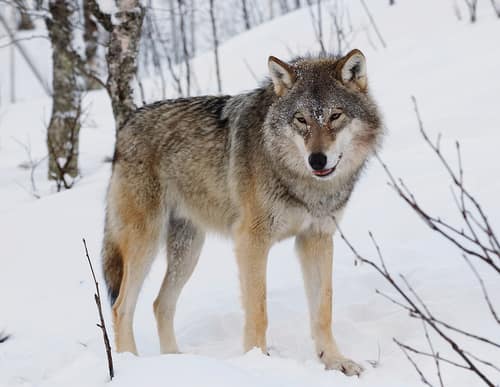
Competitor User:Mas3cf / CC BY-SA 4.0 · cc-by-sa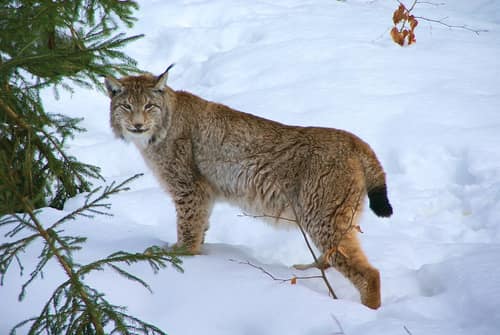
Competitor Aconcagua (talk) / CC BY-SA 3.0 · cc-by-sa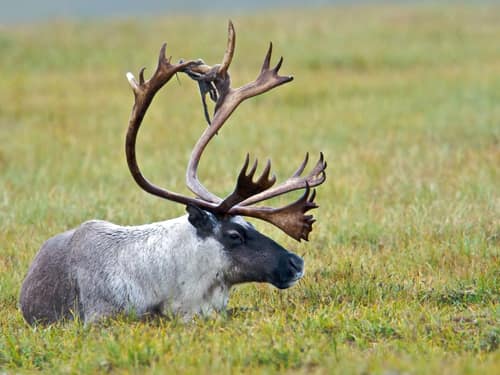
Prey (c) Bering Land Bridge National Preserve, some rights reserved (CC BY) · cc-by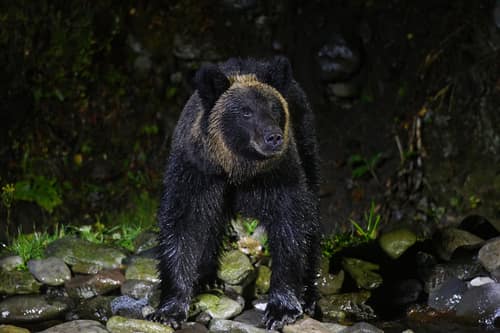
Competitor (c) Nathan Ruser, some rights reserved (CC BY), uploaded by Nathan Ruser · cc-by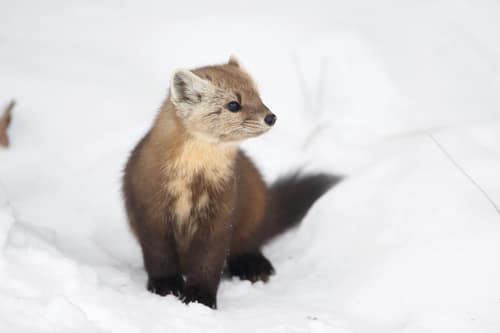
Same Family (c) Owen Strickland, some rights reserved (CC BY), uploaded by Owen Strickland · cc-by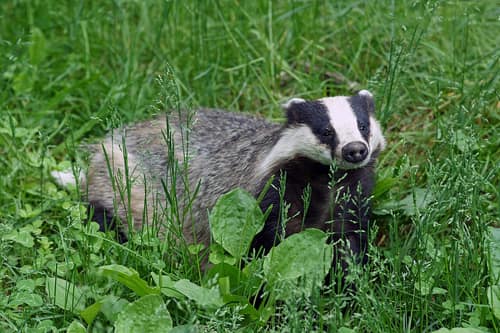
Same Family kallerna / CC BY-SA 3.0 · cc-by-sa
Help improve the field guideSomething wrong?
Checking your Fauna account…Report a name, category, or profile issue for review.