
Mammal
Colombian Weasel
Mustela felipeiAlso known as Don Felipe's Weasel
Colombian weasels are exceptionally secretive montane carnivores distinguished by extensive webbing on their feet, an adaptation suggesting strongly semi-aquatic habits along mountain streams. Their rich dark brown pelage contrasts sharply with an orange-buff belly marked by a distinctive dark spot on the chest. Known from barely a dozen recorded encounters in high-elevation cloud forests, they rank among the rarest and least understood small carnivores in South America.
CarnivoreSemi-aquaticMontane
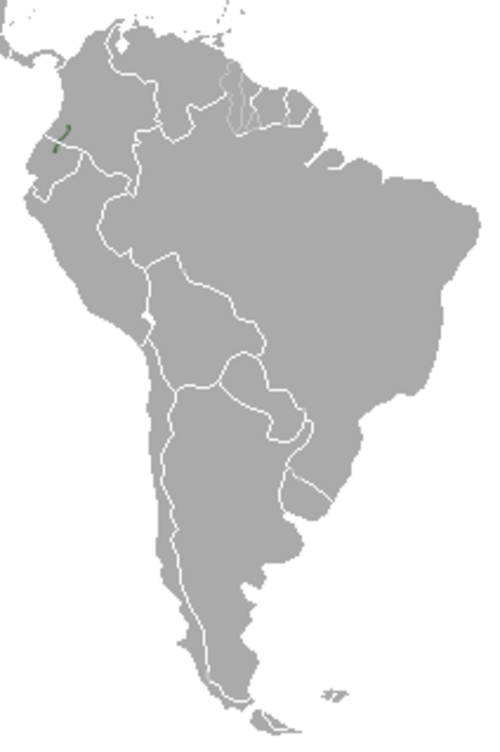
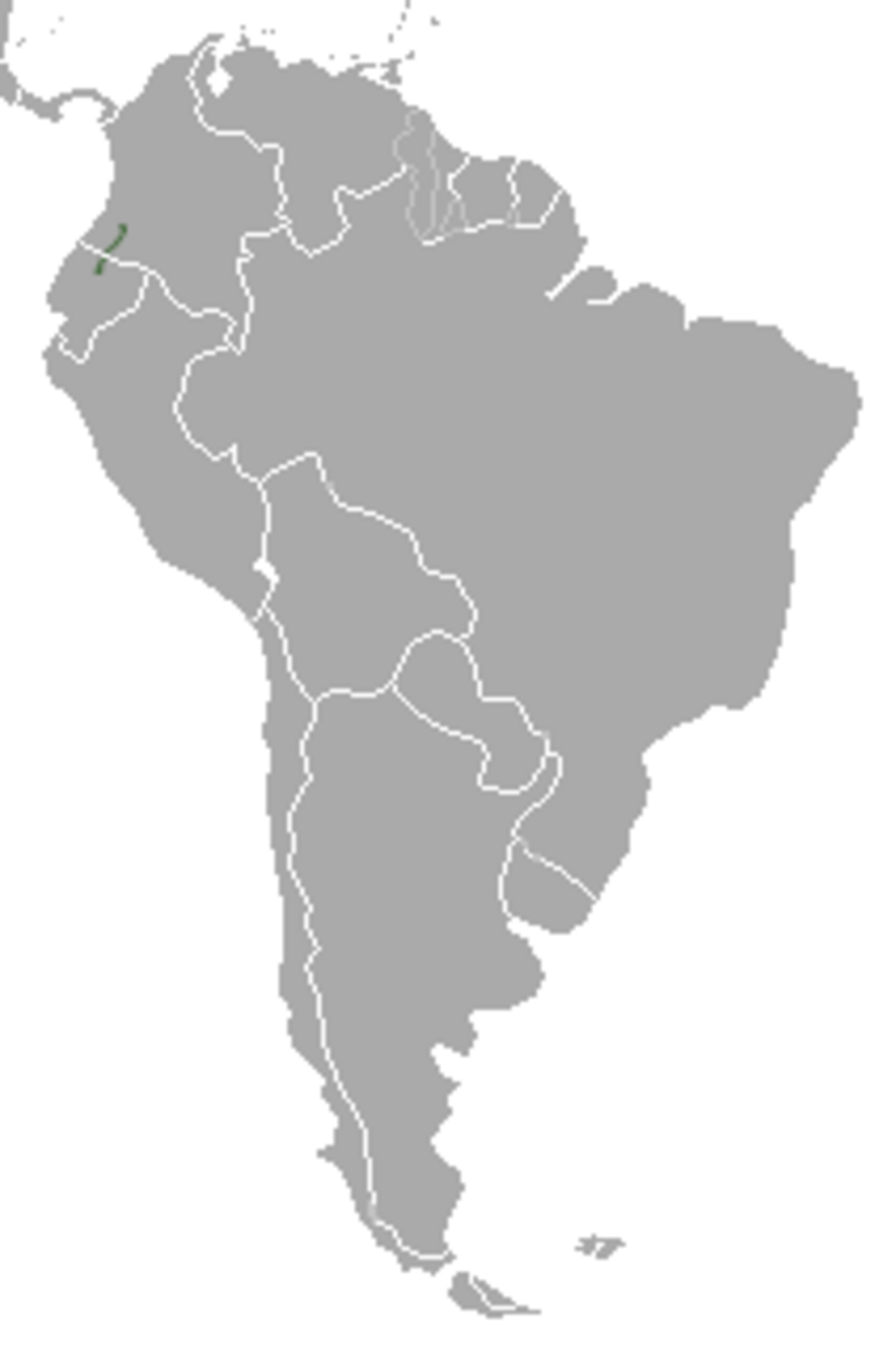
—observations
—countries
—peak records
VulnerableConservation statusIUCN Red List categoriesLCNTVUENCREWEXVulnerableRed List categories, explained →
Diet & preyMontane rodents, Stream fish, High-elevation amphibians
Predators
- Raptors
- Andean fox
- Margay
ThreatsDeforestation, agricultural encroachment, habitat fragmentation, and water pollution
HabitatsSubtropical and temperate cloud forests, riparian corridors, and Andean wetlands
Life span5–8 years in the wild
Classification
- FamilyMustelidae
- SpeciesMustela felipei
Range data is not available yet.
Interaction riskLow
- Low
- Moderate
- High
- Very high
- Why interaction risk is low
- Capaple of delivering a sharp defensive bite if handled; observe from a distance.
- Why it is dangerous
- Possesses sharp canine teeth and strong jaws capable of inflicting painful punctures and lacerations if cornered.
- How to recognize a risky encounter
- Look for a small chocolate-brown body with webbed paws and a dark spot on an orange-buff underside.
- What to do
- Never attempt to touch or capture this wild carnivore; maintain a respectful distance.
- What to notice
- Identified by its small size, webbed feet, and distinctive ventral chest spot along Andean streams.
- Support conservation
- Avoid disturbing stream banks, keep noise to a minimum, and share exact coordinates only with researchers.
Responsible observation
- Riparian scouting: Watch quiet, densely vegetated stream banks in high-elevation cloud forest reserves.
- Camera trapping: Position motion-activated cameras near undisturbed mountain creeks and fallen logs.
- Report sightings: Document any photographic encounter with local conservation biologists and park rangers.
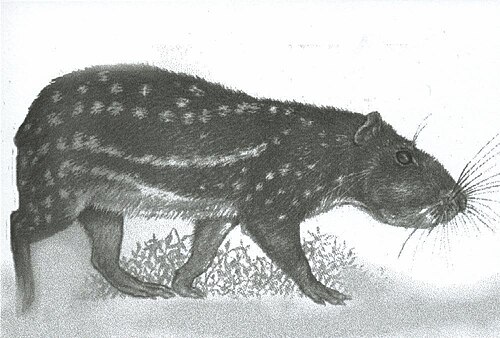
Neighbor WebmasterRioblanco / CC BY-SA 3.0 · cc-by-sa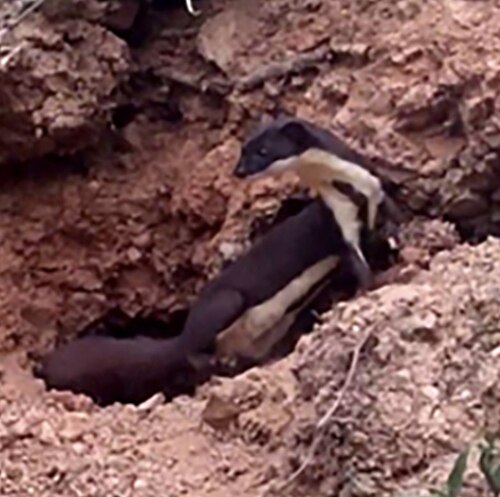
Close Relative Unknown authorUnknown author / CC BY 4.0 · cc-by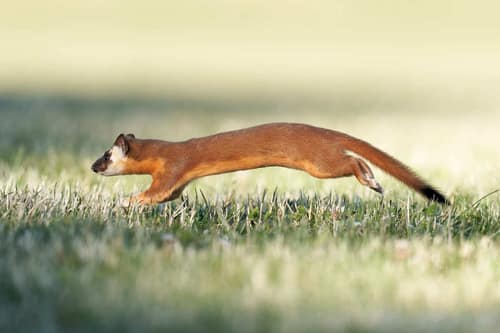
Same Family (c) benjchristensen, some rights reserved (CC BY) · cc-by
Help improve the field guideSomething wrong?
Checking your Fauna account…Report a name, category, or profile issue for review.