
Mammal · GBIF taxon 5218972
Siberian Weasel
Mustela sibiricaAlso known as Kolonok
The Siberian Weasel is a slender, short-legged carnivore with warm yellow-brown fur and a darker facial mask. It searches burrows, rock piles, stream edges, and buildings for rodents and other small prey.
Slender CarnivoreRodent HunterScent Marking
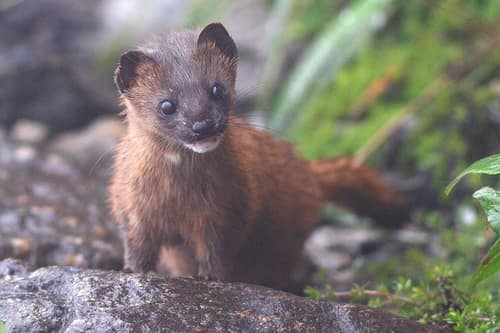
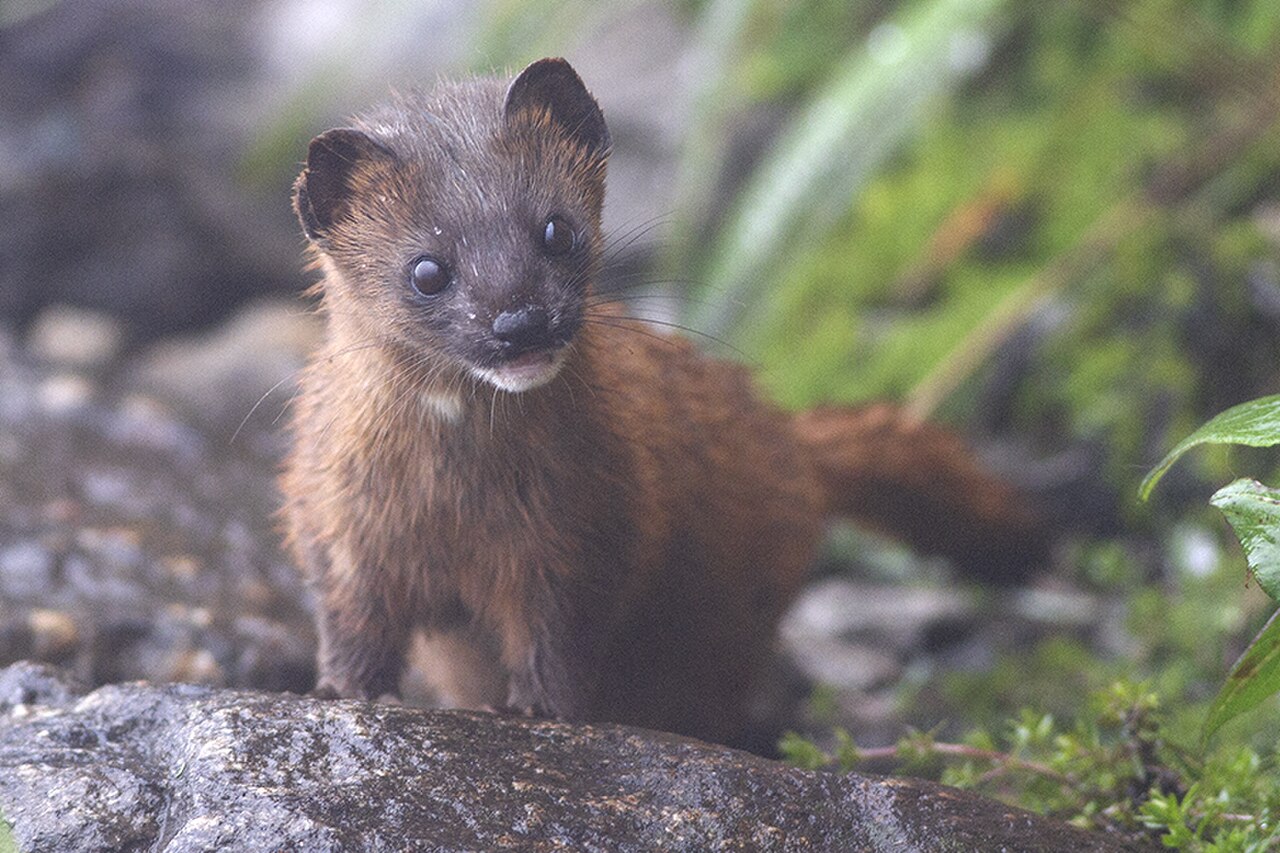
—observations
—countries
—peak records
Least ConcernConservation statusIUCN Red List categoriesLCNTVUENCREWEXLeast ConcernRed List categories, explained →
Diet & prey
- Mice
- Voles
- Small birds
Predators
- Eagles
- Owls
- Larger carnivores
ThreatsTrapping, road mortality, poisoning, habitat loss, and persecution
HabitatsForest, scrub, river valleys, farmland edges, rocky ground, and settlements
Life spanOften 5 to 8 years
Size / weightNot available
Classification
- FamilyMustelidae
- SpeciesMustela sibirica
Native Introduced
Native range in olive; established introduced range in rust.
Interaction riskLow
- Low
- Moderate
- High
- Very high
- Why interaction risk is low
- A trapped or cornered weasel can bite deeply; never touch, feed, or block its escape.
- Why it is dangerous
- Sharp teeth and claws can cause a serious wound when the animal is cornered or restrained.
- How to recognize a risky encounter
- Recognize a long low-bodied mustelid with warm yellow-brown fur and a darker facial area.
- What to do
- Never capture or handle it; secure pets, provide an escape route, and contact wildlife professionals if needed.
Responsible observation
- Movement: Watch for quick low bounds along cover edges.
- Space: Remain still and leave a broad unobstructed retreat.
Help improve the field guideSomething wrong?
Checking your Fauna account…Report a name, category, or profile issue for review.