
Mammal · GBIF taxon 5218777
Striped Hyena
Hyaena hyaenaAlso known as Striped Hyaena
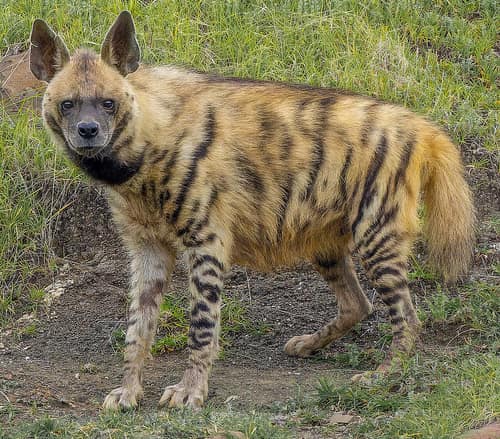
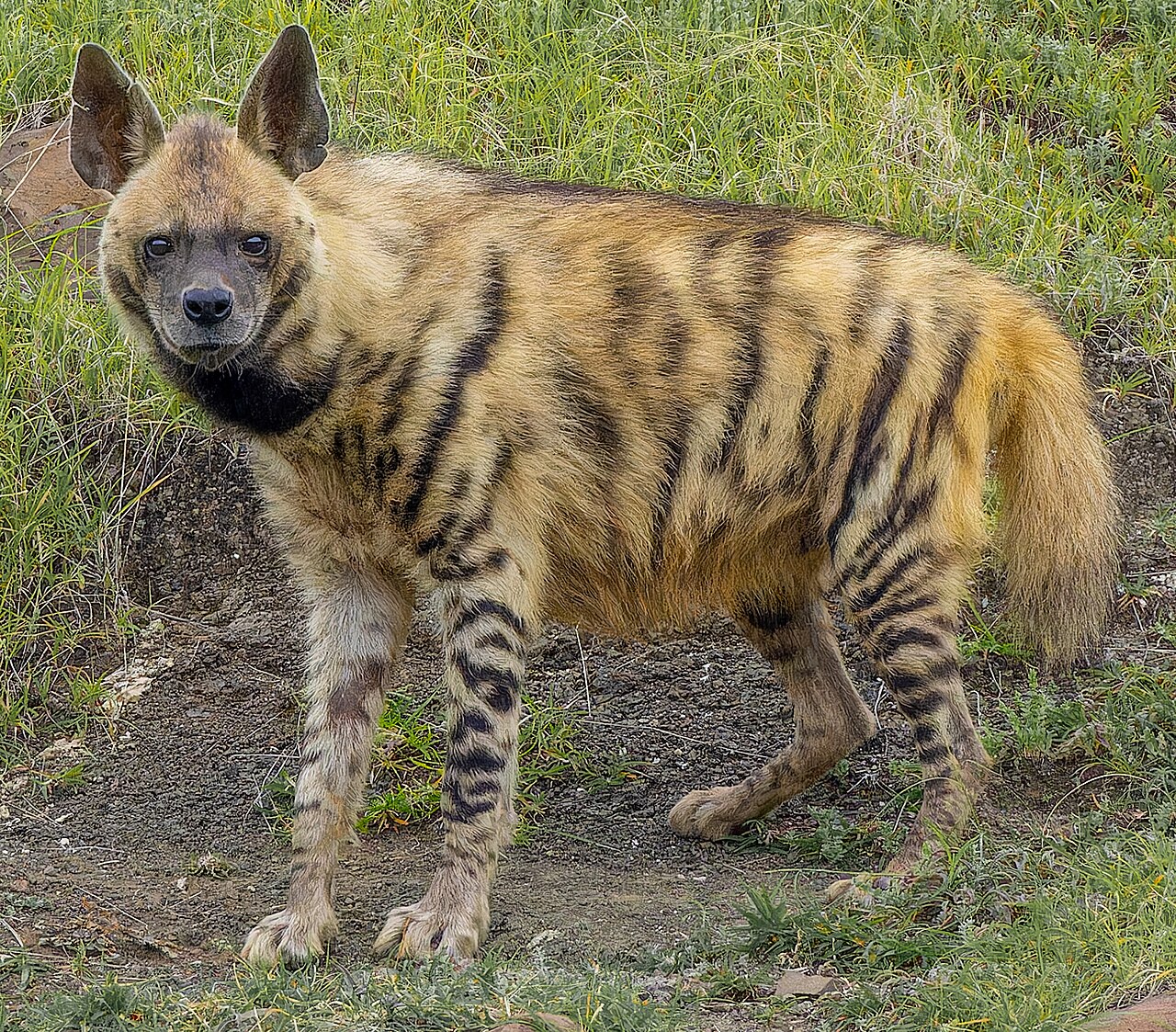
Striped hyenas patrol arid scrublands and rocky deserts under the cover of night, using scent-marking from anal pouches to establish expansive home ranges. Unlike their social spotted cousins, these scavengers forage mostly alone, utilizing acute hearing and a keen sense of smell to locate carrion, small prey, and fallen fruit. When threatened, they raise a dramatic dorsal mane that doubles their apparent size to deter potential rivals and predators.
NocturnalScavengerSolitary
—observations
—countries
—peak records
Near ThreatenedConservation statusIUCN Red List categoriesLCNTVUENCREWEXNear ThreatenedRed List categories, explained →
Diet & prey
- Carrion
- Rodents
- Melons
Predators
- Tiger
- Lion
- Leopard
ThreatsTargeted poisoning, illegal hunting, habitat loss, roadkill
HabitatsArid scrublands, semi-deserts, open woodlands, rocky hills
Life span12–15 years in the wild
Classification
- FamilyHyaenidae
- SpeciesHyaena hyaena
Range data is not available yet.
Interaction riskHigh
- Low
- Moderate
- High
- Very high
- Why interaction risk is high
- Has bone-crushing jaw strength; maintain a safe distance and do not approach dens or feeding sites.
- Why it is dangerous
- Possesses immense jaw strength capable of crushing large bones, which can cause severe injury if threatened.
- How to recognize a risky encounter
- Recognized by vertical dark stripes on a pale coat, pointed ears, a bushy tail, and a high-shouldered sloped back.
- What to do
- Freeze and back away slowly if encountered at close range. Do not approach dens or disturb active feeding sites.
- What to notice
- Medium-sized nocturnal carnivore with a distinct erectable dorsal mane and black throat patch.
- Support conservation
- Avoid revealing specific den coordinates on social media or public forums to protect local breeding pairs.
Responsible observation
- Night observations: Look for their distinctive high-shouldered profile along dry riverbeds or rocky tracks after dusk.
- Keep distance: Never corner or approach an individual, as their jaws generate enormous bone-snapping pressure.
- Secure livestock: Avoid leaving domestic animal carcasses unsecured, which draws hyenas close to human settlements.
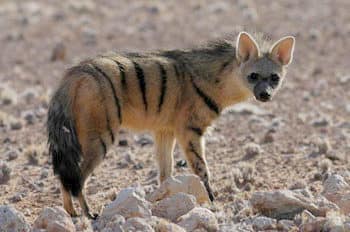
Insectivorous Kin no rights reserved, uploaded by Dave Brown · cc0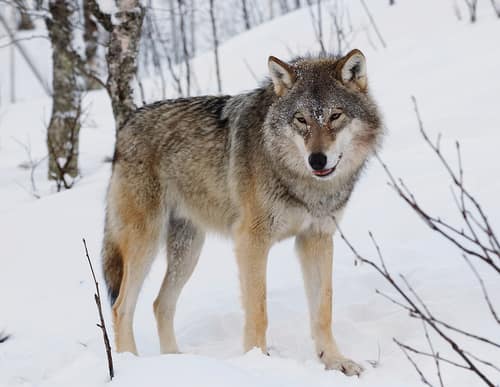
Competitor User:Mas3cf / CC BY-SA 4.0 · cc-by-sa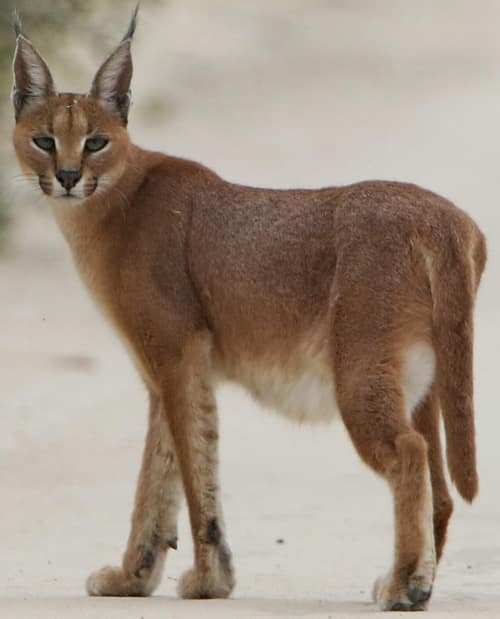
Co-occupant Derek Keats / CC BY 2.0 · cc-by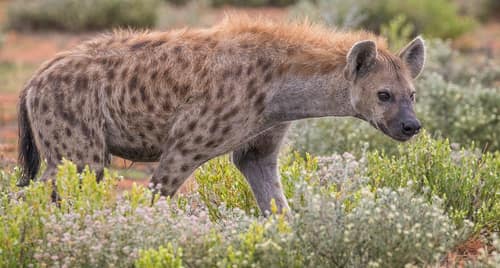
Close Relative Charles J. Sharp / CC BY-SA 4.0 · cc-by-sa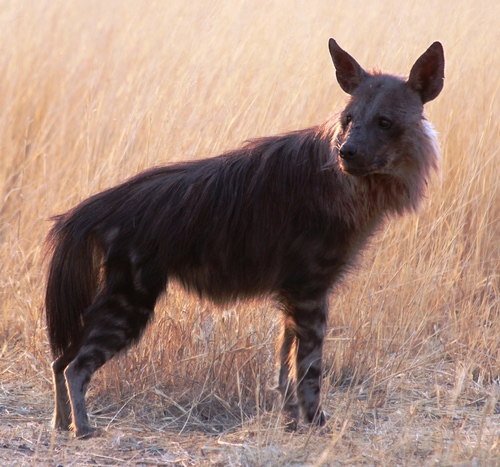
Close Relative (c) Tony Rebelo, some rights reserved (CC BY-SA), uploaded by Tony Rebelo · cc-by-sa
Help improve the field guideSomething wrong?
Checking your Fauna account…Report a name, category, or profile issue for review.