
Mammal · GBIF taxon 5218755
Red Fruit Bat
Stenoderma rufumAlso known as Red Fig-Eating Bat, Puerto Rican Red Bat
Red fruit bats feature bright yellowish-red fur marked by distinct white patches at the base of each ear and shoulder. Endemic to Puerto Rico and the U.S. Virgin Islands, these canopy dwellers roost individually or in small groups under palm fronds and dense foliage during the day. As key seed dispersers in Caribbean forests, they emerge at night to feed primarily on wild figs and native tree fruits.
NocturnalFrugivoreEndemic
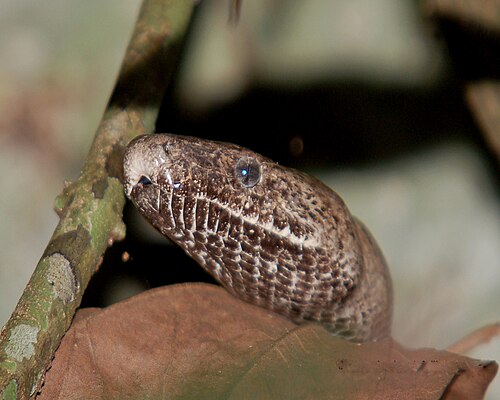
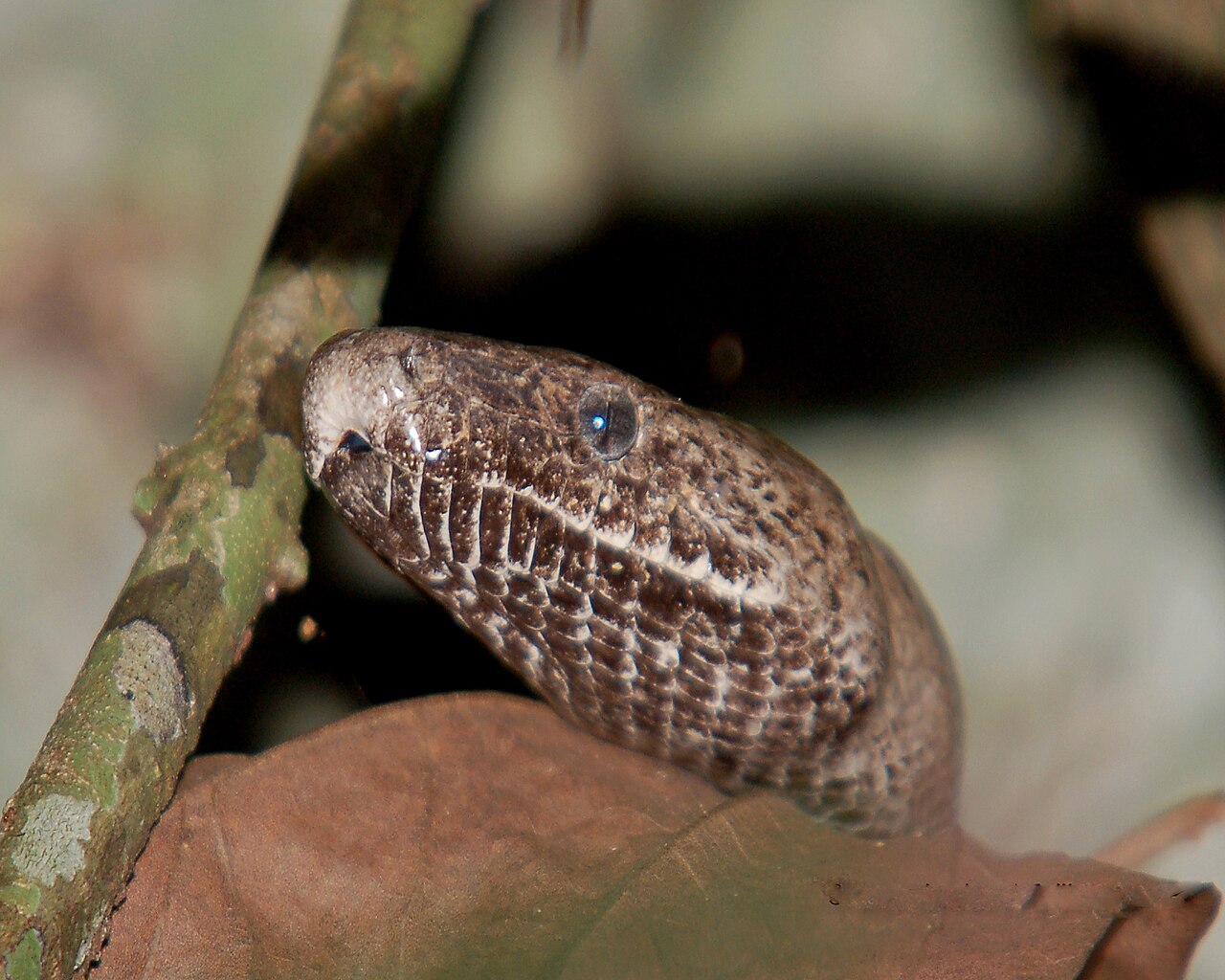
Licensed referenceMike Morel, U.S. Fish and Wildlife Service / Public domain · cc0
—observations
—countries
—peak records
Near ThreatenedConservation statusIUCN Red List categoriesLCNTVUENCREWEXNear ThreatenedRed List categories, explained →
Diet & prey
- Wild figs
- Native forest berries
- Tree nectar
Predators
- Puerto Rican boa
- Puerto Rican screech-owl
- Feral cats
ThreatsDeforestation, severe hurricanes, invasive predators
HabitatsSubtropical moist forests, palm groves, woodland canopies
Life span10–15 years
Size / weightNot available
Classification
- FamilyPhyllostomidae
- SpeciesStenoderma rufum
Native
Interaction riskModerate
- Low
- Moderate
- High
- Very high
- Why interaction risk is moderate
- May bite or transmit pathogens if handled; observe roosts quietly from a distance.
- Why it is dangerous
- Can transmit rabies virus through saliva and inflicts painful, puncture-style bites when cornered or restrained.
- How to recognize a risky encounter
- Small reddish-brown bat with a leaf-like nose flap and bright white spots on each shoulder.
- What to do
- Never touch a bat directly; contact local wildlife authorities if a grounded individual is discovered.
- What to notice
- Identified by dense rusty-red fur, prominent leaf nose, and distinct white spots at the base of the ears.
- Support conservation
- Keep noise low when walking through forest canopy trails to avoid causing roost abandonment.
Responsible observation
- Roosting Respect: Avoid shining direct flashlight beams into palm fronds or foliage where bats sleep during the day.
- Nighttime Observation: Use low-intensity red lighting when observing nocturnal foraging activity.
- Avoid Handling: Never attempt to catch or pick up grounded bats with bare hands.
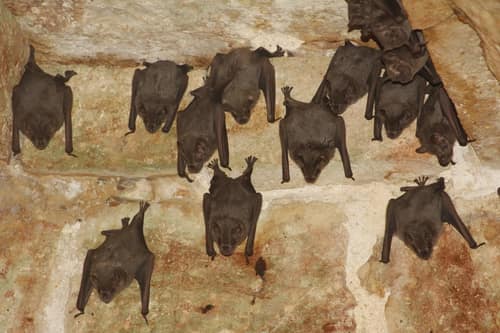
Competitor (c) Juan Cruzado Cortés, some rights reserved (CC BY-SA), uploaded by Juan Cruzado Cortés · cc-by-sa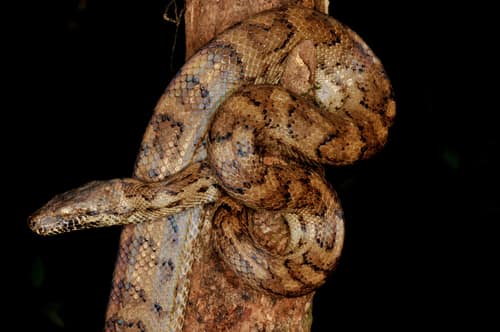
Predator (c) Tom Kennedy, some rights reserved (CC BY), uploaded by Tom Kennedy · cc-by Image unavailable
Close Relative
Help improve the field guideSomething wrong?
Checking your Fauna account…Report a name, category, or profile issue for review.