
Mammal · GBIF taxon 5218662
Variable Flying-fox
Pteropus hypomelanusAlso known as Small Flying-fox, Island Flying-fox
The Variable Flying-fox is a medium-to-large fruit bat with a foxlike face and a coat that varies across its broad island range. It roosts communally in trees by day and travels at night to feed in flowering and fruiting canopies.
Fruit BatColonial RoosterNight Pollinator
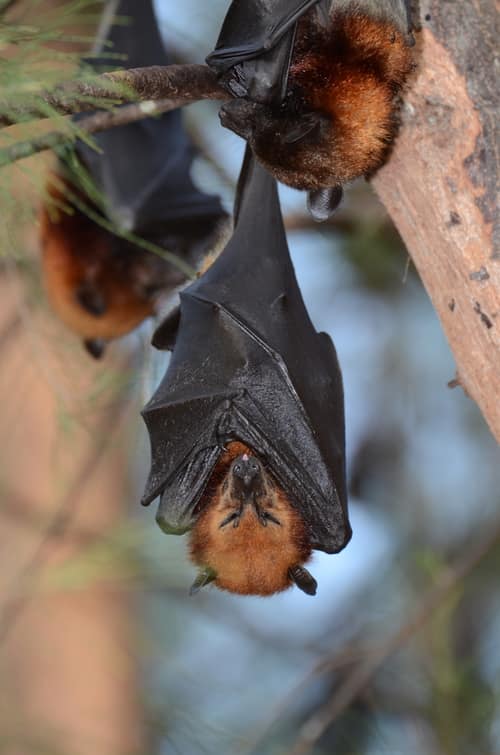
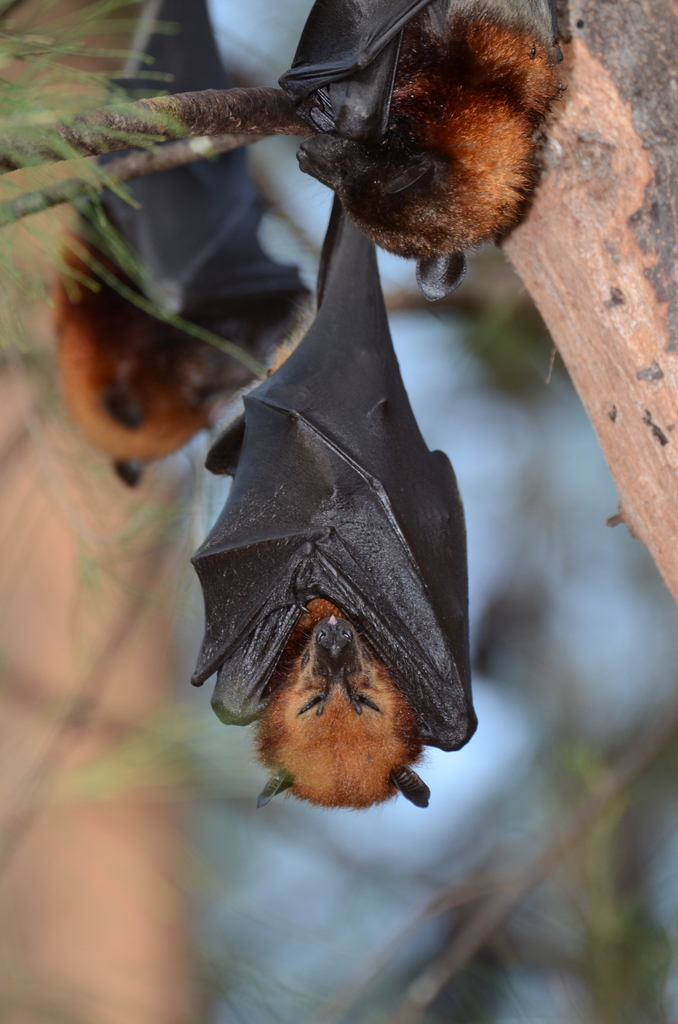
—observations
—countries
—peak records
Near ThreatenedConservation statusIUCN Red List categoriesLCNTVUENCREWEXNear ThreatenedRed List categories, explained →
Diet & prey
- Fruit pulp and juice, nectar, pollen, and flowers
Predators
- Large raptors
- Pythons
- Humans
ThreatsRoost destruction, hunting, persecution at crops, storms, and forest loss
HabitatsCoastal forest, mangroves, lowland rainforest, islands, plantations, and gardens
Life spanOften 10 to 20 years, with longevity varying in the wild
Size / weightNot available
Classification
- FamilyPteropodidae
- SpeciesPteropus hypomelanus
Native
Interaction riskModerate
- Low
- Moderate
- High
- Very high
- Why interaction risk is moderate
- Never handle bats; bites and scratches require prompt medical advice.
- Why it is dangerous
- Bats can carry zoonotic pathogens and may bite or scratch when frightened or restrained.
- How to recognize a risky encounter
- A large tailless bat with a foxlike muzzle, prominent eyes, and variable mantle color.
- What to do
- Never touch a grounded or injured bat; isolate the area and call trained wildlife authorities.
Responsible observation
- Roosts: Watch from well outside the colony and keep voices low.
- Grounded bat: Keep people and pets away and contact trained wildlife responders.
Help improve the field guideSomething wrong?
Checking your Fauna account…Report a name, category, or profile issue for review.