
Mammal
Fierce Roundleaf Bat
Hipposideros dinopsAlso known as Fierce Leaf-nosed Bat, Large Solomon Leaf-nosed Bat
Fierce roundleaf bats emerge after nightfall from limestone caverns and mine adits to hunt in dense tropical canopies. Equipped with an elaborate fleshy noseleaf, they project complex echolocation calls to pinpoint hard-shelled beetles and moths amidst foliage. Roosting colonies remain deeply sensitive to microclimate shifts and light disruption, gathering in dark recesses where humidity remains steadily high.
NocturnalCave DwellerEcholocating


—observations
—countries
—peak records
VulnerableConservation statusIUCN Red List categoriesLCNTVUENCREWEXVulnerableRed List categories, explained →
Diet & preyBeetles, Moths, Katydids
Predators
- Barn owls
- Tree snakes
- Raptors
ThreatsForest clearance for logging, cave disturbance, limestone and nickel mining
HabitatsLowland tropical rainforest, karst caves, old-growth foothills
Life span10–15 years
Classification
- FamilyHipposideridae
- SpeciesHipposideros dinops
Range data is not available yet.
Interaction riskModerate
- Low
- Moderate
- High
- Very high
- Why interaction risk is moderate
- Bats can harbor zoonotic pathogens and deliver defensive bites if seized; avoid handling.
- Why it is dangerous
- Possesses powerful jaws capable of inflicting deep puncture wounds, alongside potential transmission of bat-borne lyssaviruses or other zoonoses.
- How to recognize a risky encounter
- Recognized by its exceptionally large size among roundleaf bats, dark brown fur, and broad, complex nasal disc.
- What to do
- Never attempt to capture or touch roosting bats; contact a wildlife specialist if an injured animal is found.
- What to notice
- Distinguished by large bodily dimensions, absence of lateral leaflets on its noseleaf, and deep roost preferences in damp caverns.
- Support conservation
- Maintain complete quiet and brief dwell times when visiting cave environments to protect vulnerable colonies.
Responsible observation
- Cave Etiquette: Keep lights subdued and use red beams to prevent disturbing daytime roosts.
- Distance Keeping: Never touch or handle grounded bats to prevent defensive bites and stress.
- Detection: Listen for low chittering and ultrasonic chatter around cave entrances at dusk.
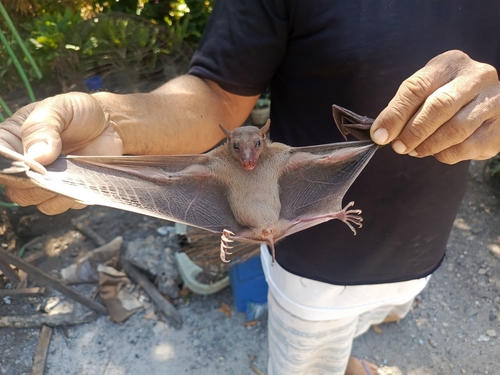
Roost Companion (c) Davis Damaledo, some rights reserved (CC BY) · cc-by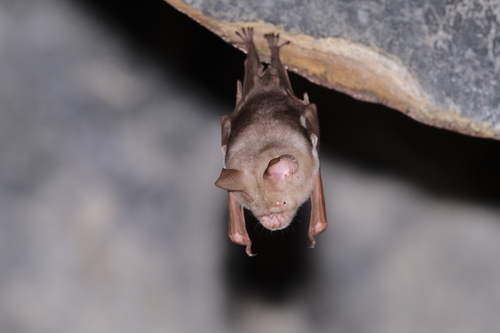
Close Relative (c) quirino, some rights reserved (CC BY) · cc-by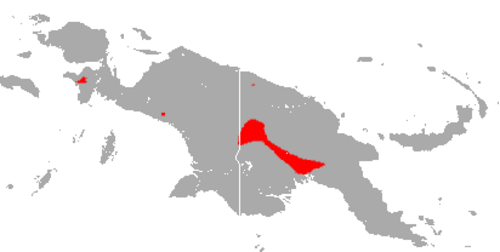
Close Relative Chermundy / CC BY-SA 3.0 · cc-by-sa
Help improve the field guideSomething wrong?
Checking your Fauna account…Report a name, category, or profile issue for review.