
Mammal · GBIF taxon 5218524
Common Noctule
Nyctalus noctulaAlso known as Noctule Bat
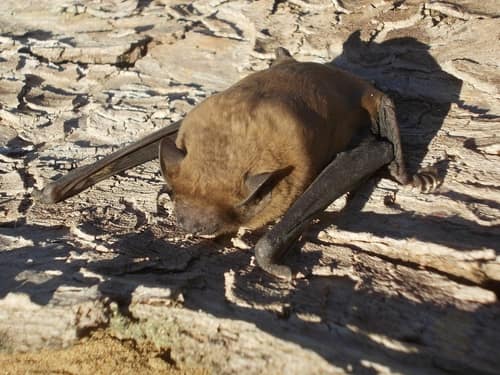
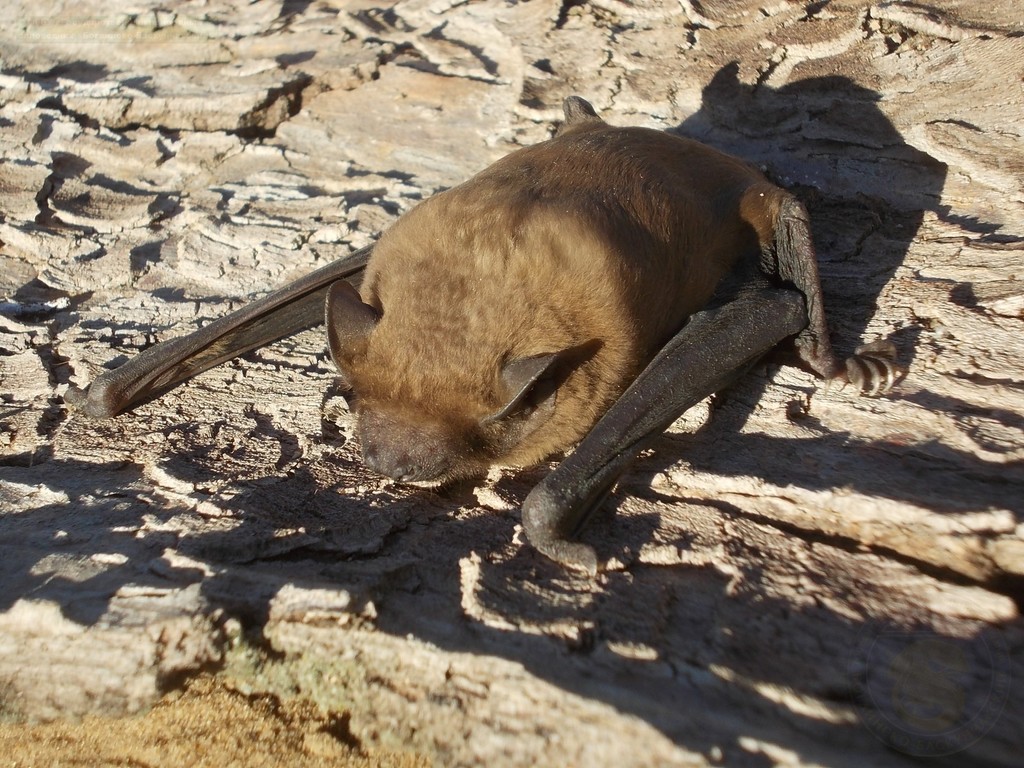
Common Noctules are large fast-flying bats with glossy golden-brown fur, broad muzzles, and long narrow wings. They often emerge early in the evening and hunt high above trees, wetlands, and open ground.
bataerial insectivoretree roost
—observations
—countries
—peak records
Least ConcernConservation statusIUCN Red List categoriesLCNTVUENCREWEXLeast ConcernRed List categories, explained →
Diet & prey
- moths
- beetles
- flies
Predators
- owls
- hawks
- martens
ThreatsLoss of roost trees, wind turbines, pesticides, collisions, and disturbance during hibernation
HabitatsWoodland, river corridors, wetlands, parks, farmland, and landscapes with mature cavity trees
Life spanOften several years, with some banded individuals living beyond twelve years
Size / weightNot available
Classification
- OrderChiroptera
- FamilyVespertilionidae
- GenusNyctalus
- SpeciesNyctalus noctula
Native
Interaction riskModerate
- Low
- Moderate
- High
- Very high
- Why interaction risk is moderate
- Any bat may bite and carry pathogens; never touch a grounded or roosting individual barehanded.
- Why it is dangerous
- Direct bat contact can cause a bite or scratch and may expose people or pets to infection.
- How to recognize a risky encounter
- A large fast brown bat cannot be identified safely through close unprotected handling.
- What to do
- Never touch barehanded; isolate the area and contact trained wildlife or public-health professionals.
Responsible observation
- Watch: Scan high open sky soon after sunset without illuminating a roost.
- Protect: Keep people and pets away from grounded bats and occupied tree cavities.
Keep collecting in Fauna
Found in Collections
Species set
Moonlight Marvels
Common Noctule is found in this collection. Identify it in Fauna to fill this slot and continue your progress.
—/7
Help improve the field guideSomething wrong?
Checking your Fauna account…Report a name, category, or profile issue for review.