
Mammal
Tailless Tenrec
Tenrec ecaudatusAlso known as Common Tenrec
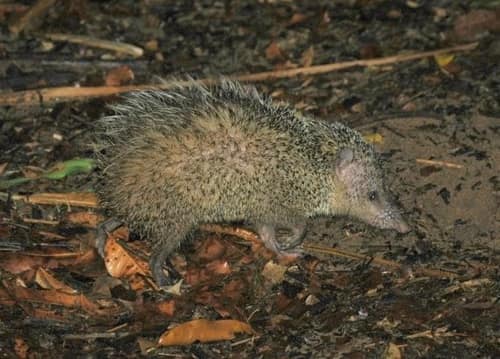
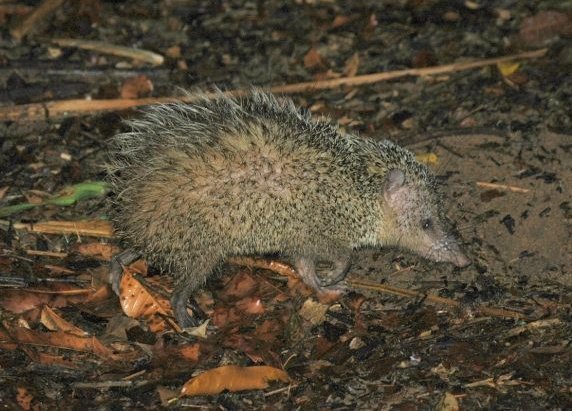
As the largest terrestrial insectivore in Madagascar, the tailless tenrec spends its day resting in leaf-lined burrows before emerging at night to root through leaf litter. Females produce remarkable litter sizes averaging fifteen to over thirty young, which forage together in a dense cluster behind their mother. When threatened, adults erect a collar of coarse spiny bristles along their neck and hiss loudly to deter potential predators.
NocturnalInsectivoreMadagascan
—observations
—countries
—peak records
Least ConcernConservation statusIUCN Red List categoriesLCNTVUENCREWEXLeast ConcernRed List categories, explained →
Diet & preyEarthworms, Beetle larvae, Spiders
Predators
- Fossa
- Boa constrictor
- Domestic dog
ThreatsOverhunting for meat, habitat loss, and introduced predators
HabitatsTropical forests, savannas, scrublands, and gardens
Life span6–10 years
Classification
- FamilyTenrecidae
- SpeciesTenrec ecaudatus
Range data is not available yet.
Interaction riskLow
- Low
- Moderate
- High
- Very high
- Why interaction risk is low
- Can deliver a painful bite if cornered; keep a safe distance and do not handle.
- Why it is dangerous
- Possesses strong jaws and sharp teeth capable of inflicting deep puncture wounds when threatened.
- How to recognize a risky encounter
- Recognizable by its coarse yellowish-grey bristles, long snout, and distinct lack of an external tail.
- What to do
- Do not attempt to touch or corner a wild tenrec; give it room to escape safely.
Responsible observation
- Night Spotting: Look for foraging tenrecs along forest trails using a red flashlight beam.
- Listen Carefully: Listen for the soft rustling of dry leaves as they dig for soil invertebrates.
- Give Space: Maintain a respectful distance to avoid triggering their bristles-up defensive display.
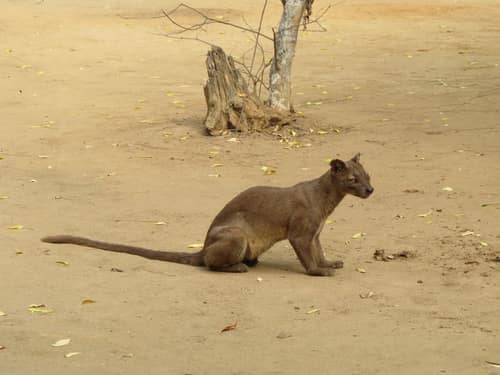
Predator (c) Micha Baum, some rights reserved (CC BY-SA), uploaded by Micha Baum · cc-by-sa Image unavailable
Close Relative 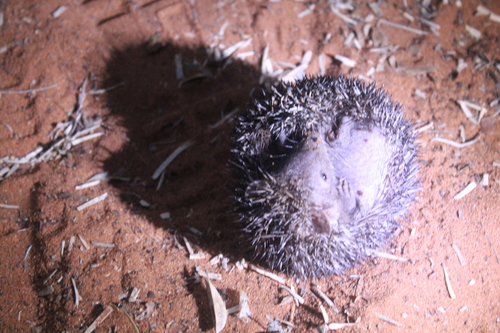
Close Relative (c) Michael A. Alcorn, some rights reserved (CC BY), uploaded by Michael A. Alcorn · cc-by
Help improve the field guideSomething wrong?
Checking your Fauna account…Report a name, category, or profile issue for review.