
Amphibian · GBIF taxon 5218410
Palmate Newt
Lissotriton helveticusAlso known as Webbed Newt
Palmate newts thrive in nutrient-poor, acidic waters such as upland bogs and heathland pools where other amphibians struggle to survive. During the spring breeding season, males develop dramatic jet-black webbing on their hind feet and a distinctive thread-like filament at the tip of the tail to waft pheromones toward females. Outside the water, adults spend the non-breeding months hunting under logs, rocks, and leaf litter in damp woodlands.
AmphibianAquaticNocturnal
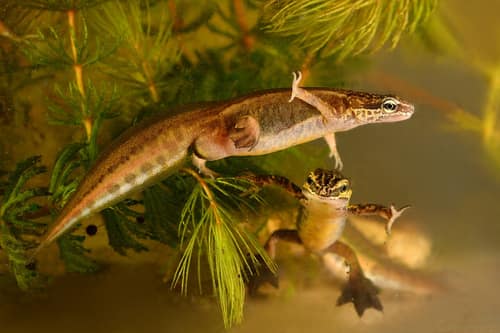
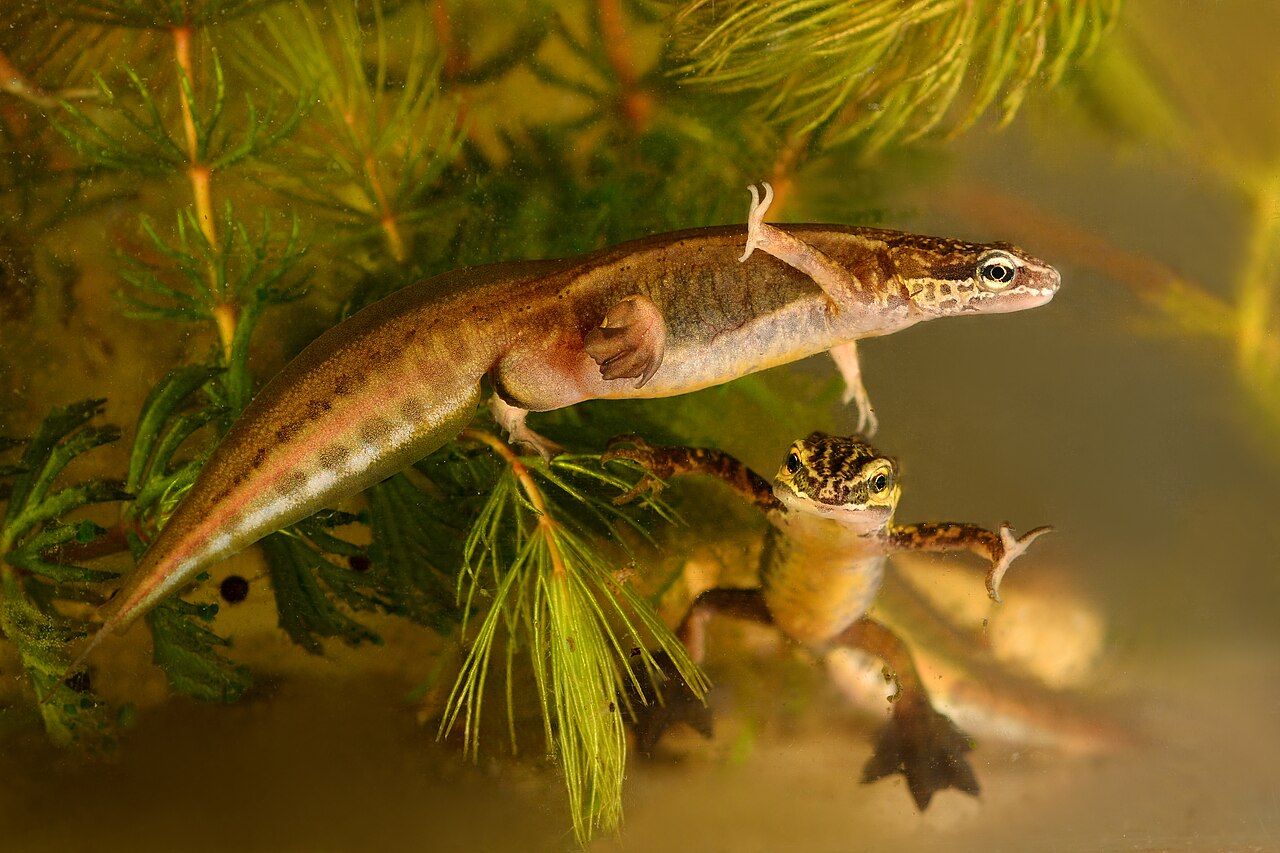
Licensed referenceGilles San Martin from Namur, Belgium / CC BY-SA 2.0 · cc-by-sa
—observations
—countries
—peak records
Least ConcernConservation statusIUCN Red List categoriesLCNTVUENCREWEXLeast ConcernRed List categories, explained →
Diet & prey
- Insect Larvae
- Water Fleas
- Earthworms
Predators
- Grass Snake
- Grey Heron
- Predatory Fish
ThreatsWetland drainage, pond destruction, agricultural runoff, and invasive fish
HabitatsAcidic ponds, heathland pools, shallow lakes, and damp woodlands
Life span10–15 years
Size / weightNot available
Classification
- FamilySalamandridae
- SpeciesLissotriton helveticus
Range data is not available yet.
Interaction riskLow
- Low
- Moderate
- High
- Very high
- Why interaction risk is low
- Safe to observe at a normal distance; handle only with wet hands if necessary.
Responsible observation
- Observation timing: Search margin shallows of acidic ponds with a flashlamp on warm spring nights.
- Handling etiquette: Minimize handling to protect delicate amphibian skin from dry hands and oils.
- Biosecurity precaution: Clean boots and gear between waterbodies to prevent spreading fungal pathogens.
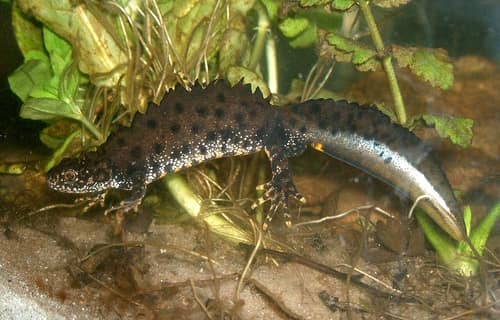
Co-Inhabitant Rainer Theuer. / Public domain · cc0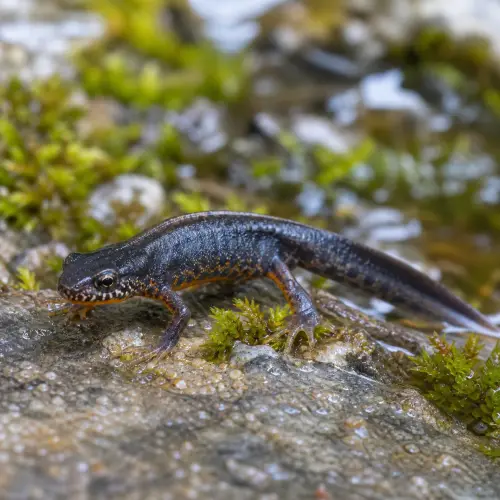
Co-Inhabitant Unknown / CC-BY · cc-by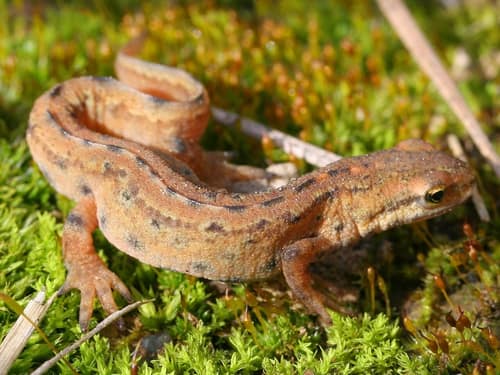
Close Relative Kristian Peters / CC BY-SA 3.0 · cc-by-sa
Help improve the field guideSomething wrong?
Checking your Fauna account…Report a name, category, or profile issue for review.