
Amphibian · GBIF taxon 5218405
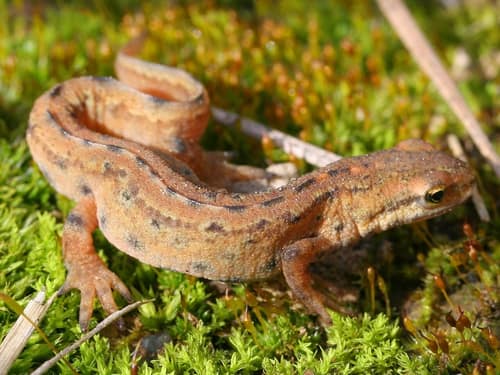
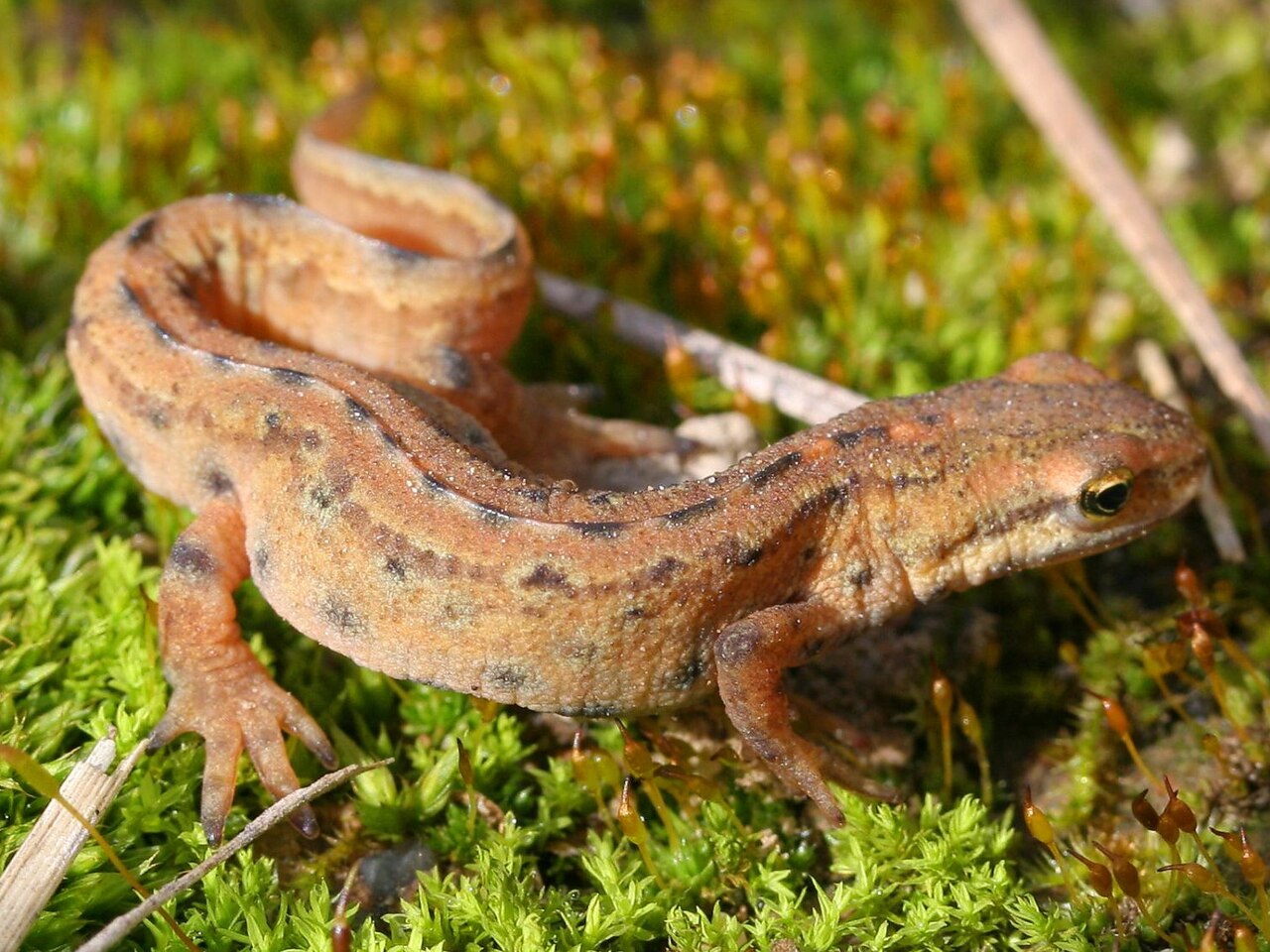
Smooth Newt
Lissotriton vulgarisAlso known as European Newt, Northern Smooth Newt, Common Newt
Smooth newts spend winters hibernating on land under damp logs or stones before returning to still ponds in spring to breed. Males court females through elaborate underwater displays, fanning their tails to waft pheromones while sporting high wavy crests along their backs. Females meticulously wrap individual eggs inside folded leaves of aquatic plants to shield them from predators.
AmphibianAquatic BreedingEuropean
—observations
—countries
—peak records
Least ConcernConservation statusIUCN Red List categoriesLCNTVUENCREWEXLeast ConcernRed List categories, explained →
Diet & prey
- Insect larvae
- Earthworms
- Water fleas
Predators
- Herons
- Grass snakes
- Large fish
ThreatsPond destruction, water pollution, invasive predatory fish, habitat loss
HabitatsPonds, ditches, shallow lakes, damp woodlands, meadows, gardens
Life span6–12 years
Size / weightNot available
Classification
- FamilySalamandridae
- SpeciesLissotriton vulgaris
Range data is not available yet.
Interaction riskLow
- Low
- Moderate
- High
- Very high
- Why interaction risk is low
- Safe to observe at a normal distance.
Responsible observation
- Pond Spotting: Search still water edges with a soft flashlight on warm spring nights.
- Terrestrial Refuge: Check beneath damp logs and stones near gardens in late summer.
- Avoid Handling: Refrain from touching, as skin oils and lotions can harm fragile amphibian skin.
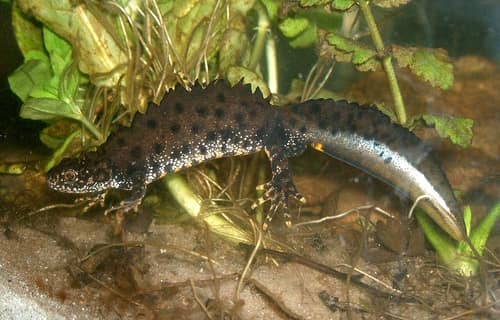
Frequent Companion Rainer Theuer. / Public domain · cc0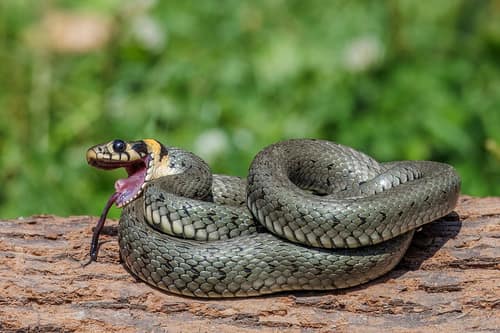
Predator Charles J. Sharp / CC BY-SA 4.0 · cc-by-sa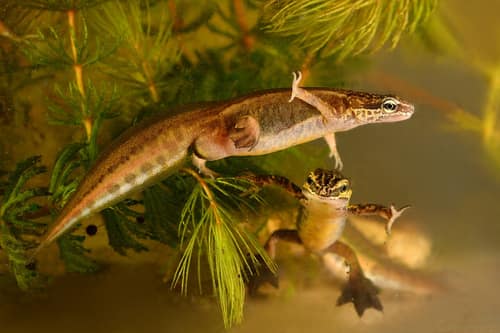
Close Relative Gilles San Martin from Namur, Belgium / CC BY-SA 2.0 · cc-by-sa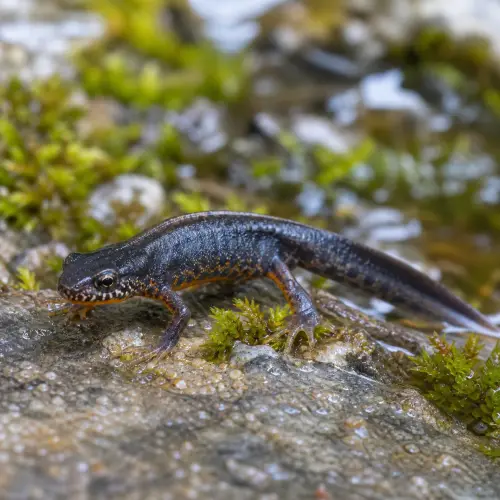
Close Relative Unknown / CC-BY · cc-by
Help improve the field guideSomething wrong?
Checking your Fauna account…Report a name, category, or profile issue for review.