
Amphibian
San Marcos Salamander
Eurycea nanaSan Marcos salamanders spend their entire lives fully underwater, retaining prominent feathery red gills and a finned tail into adulthood. They shelter among dense mats of aquatic vegetation and submerged limestone gravel bathed by constant 22 °C water from the Edwards Aquifer. Confined to a minuscule natural range, these delicate amphibians serve as vital bioindicators for groundwater purity across central Texas.
AquaticEndemicSpring-Dwelling
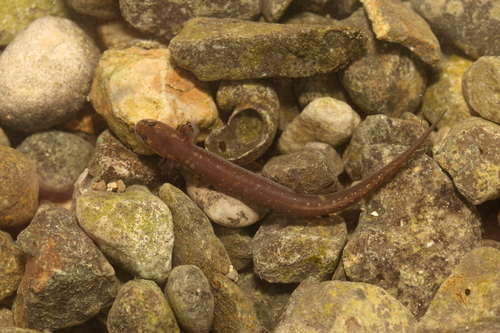
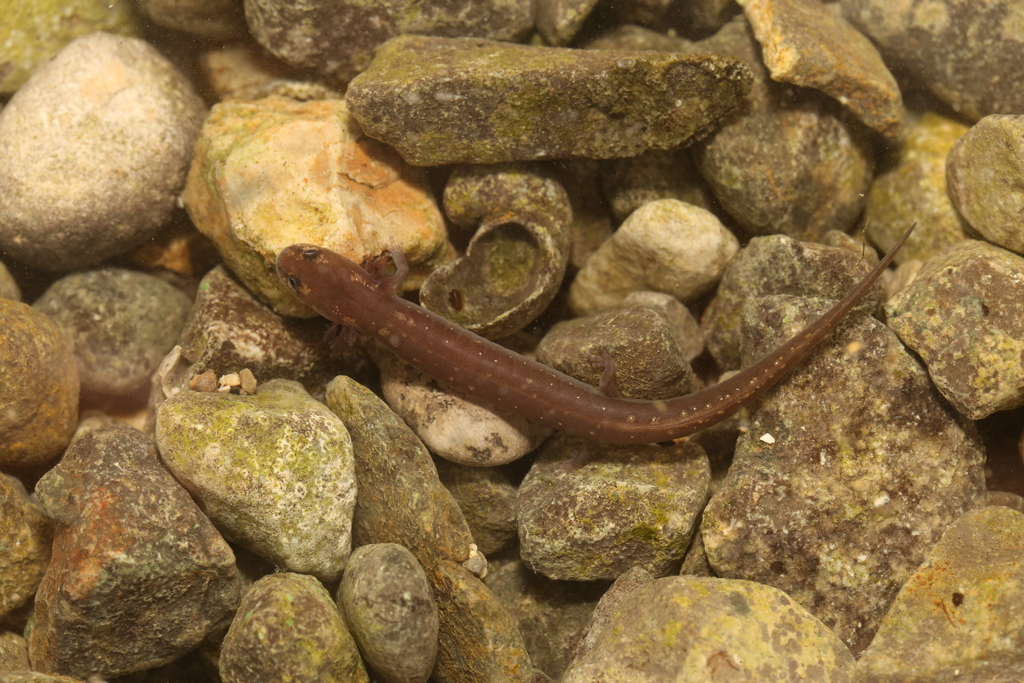
—observations
—countries
—peak records
VulnerableConservation statusIUCN Red List categoriesLCNTVUENCREWEXVulnerableRed List categories, explained →
Diet & preyAmphipods, Midge Larvae, Freshwater Snails
Predators
- Largemouth Bass
- Green Sunfish
- Crayfish
ThreatsGroundwater pumping, pollution, recreational disruption, and invasive species
HabitatsSpring-fed freshwater lakes, spring outflows, and gravelly stream beds
Life span5–10 years
Classification
- FamilyPlethodontidae
- SpeciesEurycea nana
Range data is not available yet.
Interaction riskLow
- Low
- Moderate
- High
- Very high
- Why interaction risk is low
- Safe to observe at a normal distance.
- What to notice
- Look for a tiny reddish-brown body under six centimeters long with conspicuous, bushy red external gills.
- Support conservation
- Do not touch, handle, or disturb submerged rocks and moss mats where individuals forage and hide.
Responsible observation
- Viewing Etiquette: Look for them on guided glass-bottom boat tours at Spring Lake to minimize disruption.
- Habitat Protection: Avoid wading through submerged aquatic moss mats or turning rocks in protected spring runs.
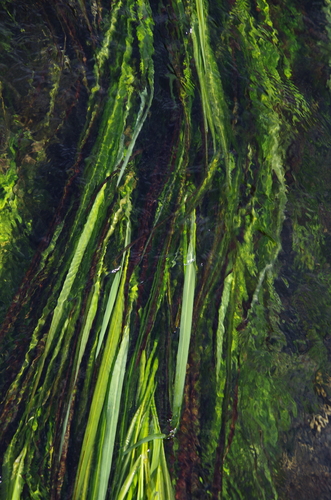
Frequent Companion (c) Eric Knight, some rights reserved (CC BY), uploaded by Eric Knight · cc-by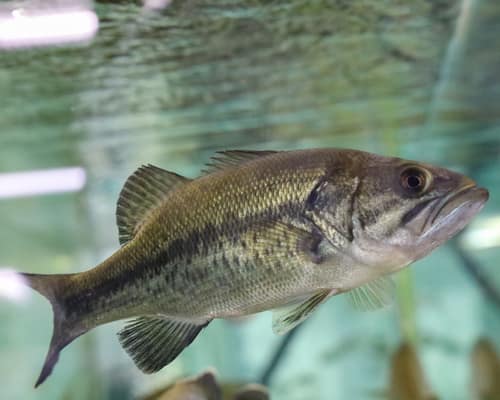
Predator (c) Oak Ridge National Laboratory, some rights reserved (CC BY) · cc-by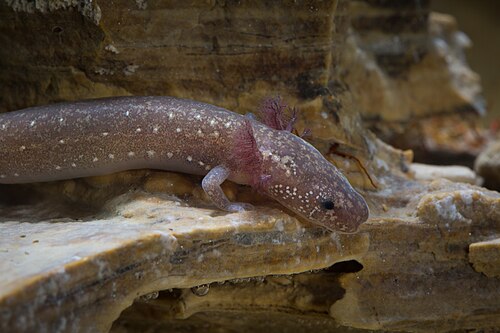
Close Relative Ryan Hagerty/USFWS / Public domain · cc0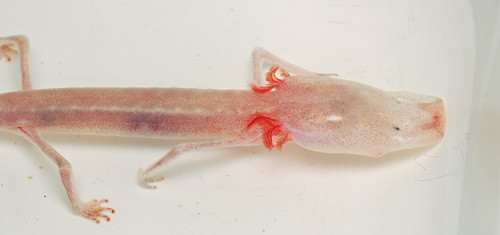
Close Relative (c) Joseph Aubert, some rights reserved (CC BY), uploaded by Joseph Aubert · cc-by
Help improve the field guideSomething wrong?
Checking your Fauna account…Report a name, category, or profile issue for review.