
Amphibian
Austin Blind Salamander
Eurycea waterlooensisAustin blind salamanders are entirely aquatic troglobites that spend their lives in total darkness within subterranean limestone fissures of the Edwards Aquifer. Paedomorphic throughout adulthood, they retain broad external red gills, unpigmented translucent skin, and vestigial eyes overgrown by skin tissue. Their flattened snouts and sensitive lateral line organs allow them to hunt blind, sensing minute vibrations created by small invertebrates drift-feeding in deep subterranean water.
SubterraneanEndemicAquatic
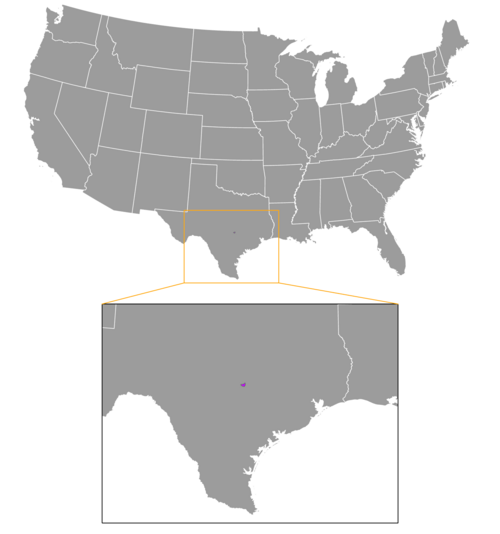
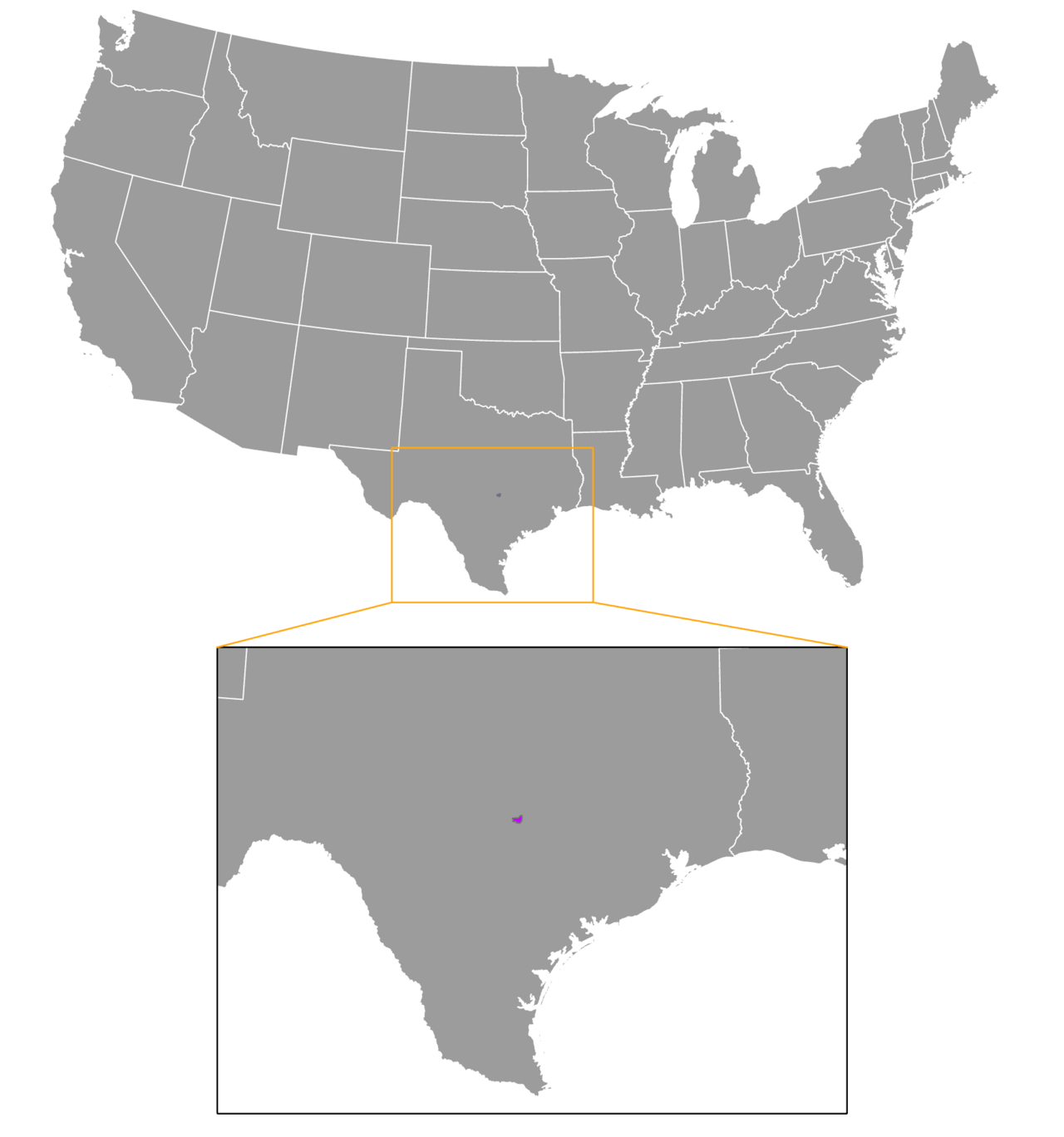
—observations
—countries
—peak records
VulnerableConservation statusIUCN Red List categoriesLCNTVUENCREWEXVulnerableRed List categories, explained →
Diet & preyStygobitic amphipods, Copepods, Isopods
Predators
- Barton Springs salamanders
- Predatory fish
- Cave crayfish
ThreatsGroundwater contamination, urban runoff, aquifer overdraft, and siltation
HabitatsDeep freshwater limestone caverns and subterranean spring fissures
Life span10–15 years
Classification
- FamilyPlethodontidae
- SpeciesEurycea waterlooensis
Range data is not available yet.
Interaction riskLow
- Low
- Moderate
- High
- Very high
- Why interaction risk is low
- Safe to observe at a normal distance.
- What to notice
- Look for a pale, translucent pinkish body, bushy red gills, a shovel-shaped snout, and tiny dark eye spots beneath the skin.
- Support conservation
- Do not touch, capture, or disturb individuals found at spring openings, and report sightings directly to local wildlife biologists.
Responsible observation
- Observation Windows: Look near the main fissures of Barton Springs where subterranean currents occasionally wash individuals to the surface.
- Pollution Prevention: Rinse off sunscreens and lotions before swimming in spring pools to keep aquifer water pure.
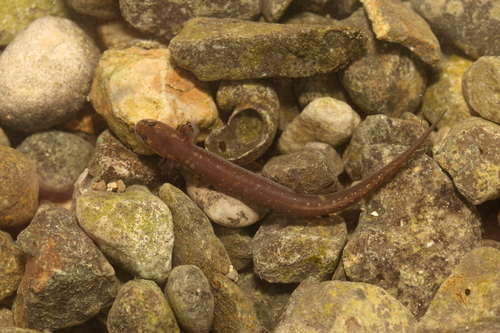
Same Genus (c) Reid Hardin, some rights reserved (CC BY), uploaded by Reid Hardin · cc-by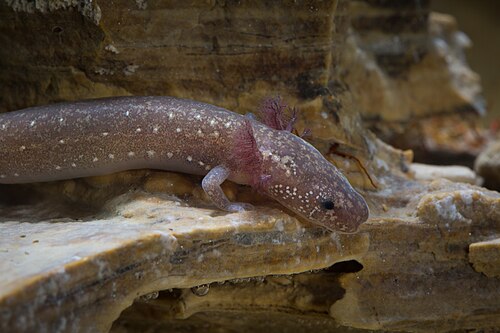
Close Relative Ryan Hagerty/USFWS / Public domain · cc0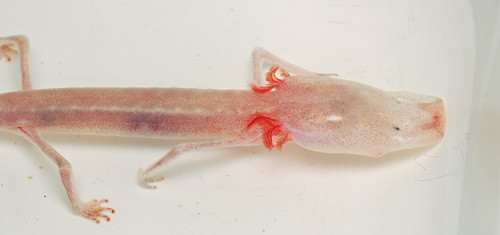
Close Relative (c) Joseph Aubert, some rights reserved (CC BY), uploaded by Joseph Aubert · cc-by
Help improve the field guideSomething wrong?
Checking your Fauna account…Report a name, category, or profile issue for review.