
Amphibian · GBIF taxon 5218352
Barton Springs Salamander
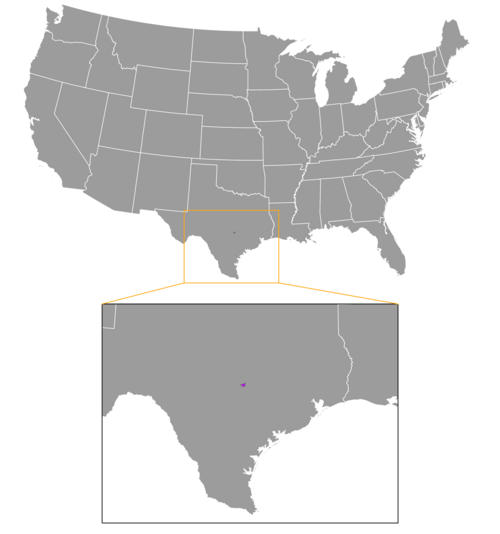
Eurycea sosorumBarton Springs salamanders are fully aquatic, neotenic amphibians that retain bushy external gills and remain in a larval form throughout their lives. Endemic to the spring outlets of the Edwards Aquifer in Austin, Texas, they rely on a constant flow of cool, clean water to survive and feed on tiny aquatic organisms. Because they breathe through their skin and external gills, they are exceptionally sensitive to water pollution and changes in spring discharge.
NeotenicAquatic
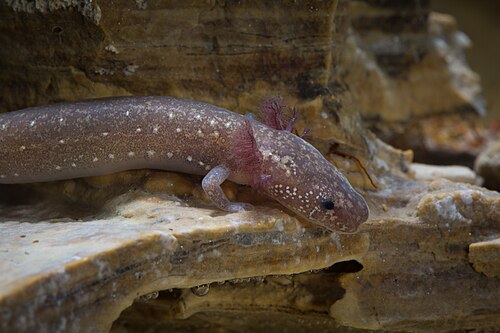
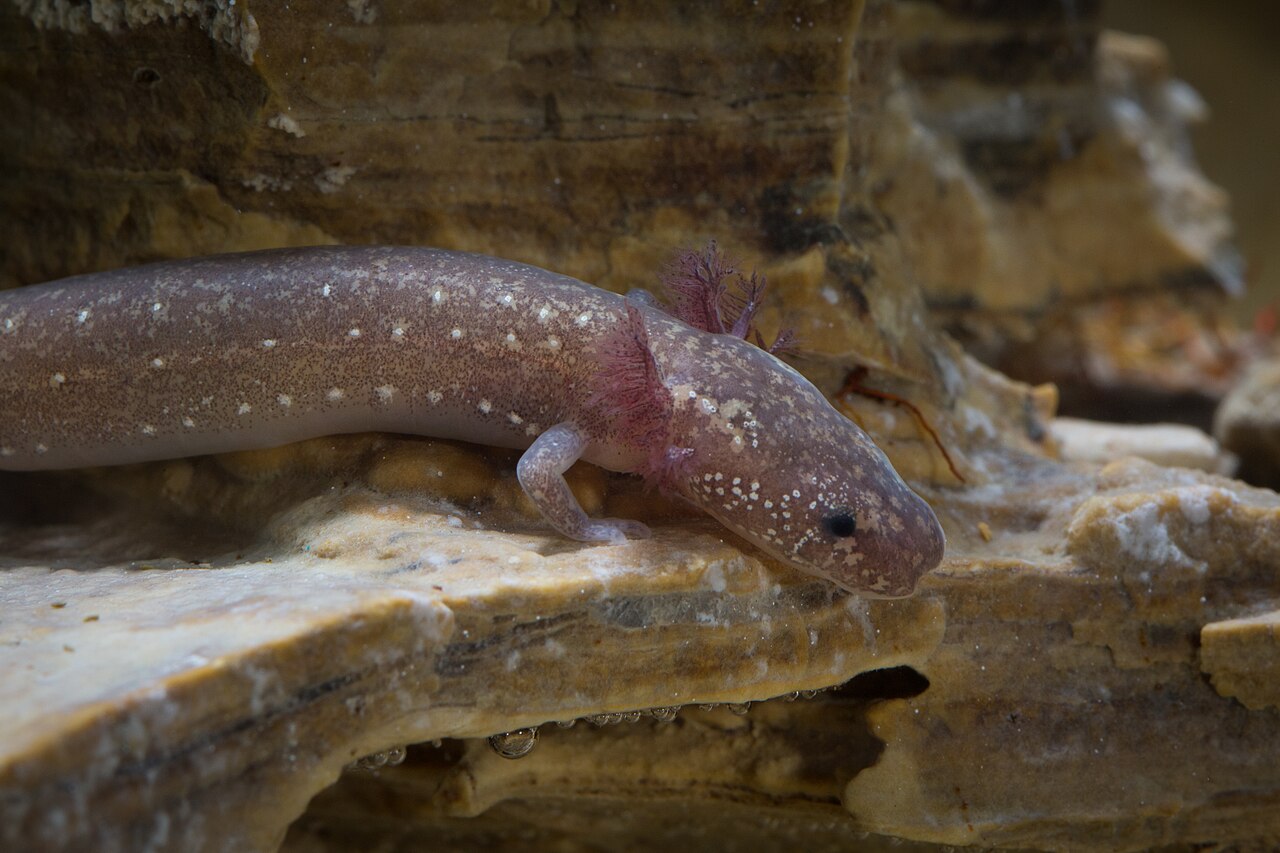
Licensed referenceRyan Hagerty/USFWS / Public domain · cc0
—observations
—countries
—peak records
EndangeredConservation statusIUCN Red List categoriesLCNTVUENCREWEXEndangeredRed List categories, explained →
Diet & prey
- Amphipods
- Midge larvae
- Ostracods
Predators
- Predatory fish
- Crayfish
- Aquatic birds
ThreatsUrban runoff, groundwater pollution, reduced aquifer flow, and habitat destruction
HabitatsFreshwater spring outlets, submerged gravel beds, and limestone subterranean caverns
Life span10–15 years
Classification
- FamilyPlethodontidae
- SpeciesEurycea sosorum
Range data is not available yet.
Interaction riskLow
- Low
- Moderate
- High
- Very high
- Why interaction risk is low
- Safe to observe at a normal distance.
- What to notice
- Look for a small, grey-brown aquatic salamander with prominent reddish bushy external gills and reduced eyes.
- Support conservation
- Never handle wild individuals or disturb protected spring gravel beds.
Responsible observation
- Observe from Above: View these fully aquatic salamanders in spring outlets through clear water without entering protected habitat zones.
- Protect Water Quality: Avoid using synthetic fertilizers or pollutants nearby, as clean aquifer springflow is vital to their survival.
Close Relative Nthnjustice / CC BY-SA 4.0 · cc-by-sa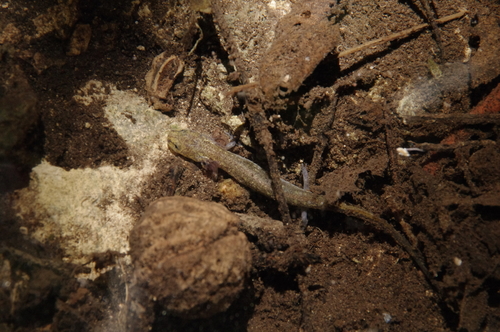
Close Relative (c) Eric Knight, some rights reserved (CC BY), uploaded by Eric Knight · cc-by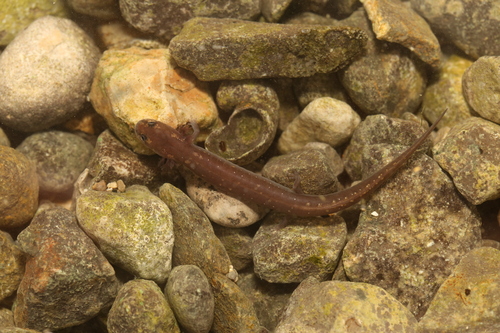
Close Relative (c) Reid Hardin, some rights reserved (CC BY), uploaded by Reid Hardin · cc-by
Help improve the field guideSomething wrong?
Checking your Fauna account…Report a name, category, or profile issue for review.