
Amphibian · GBIF taxon 5218351
Cave Salamander
Eurycea lucifugaAlso known as Spotted-tail Salamander
The Cave Salamander is a slender bright orange salamander patterned with irregular black spots and a long tail. It climbs damp limestone walls around cave entrances, springs, and shaded ravines but also forages in moist surface woodland.
cave-edge salamanderlungless amphibianlimestone specialist
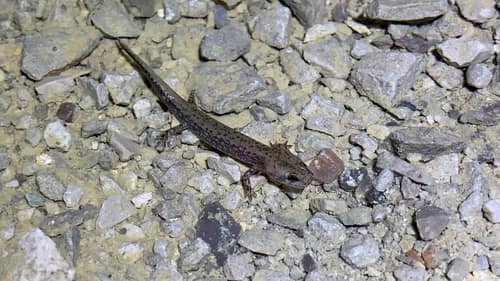
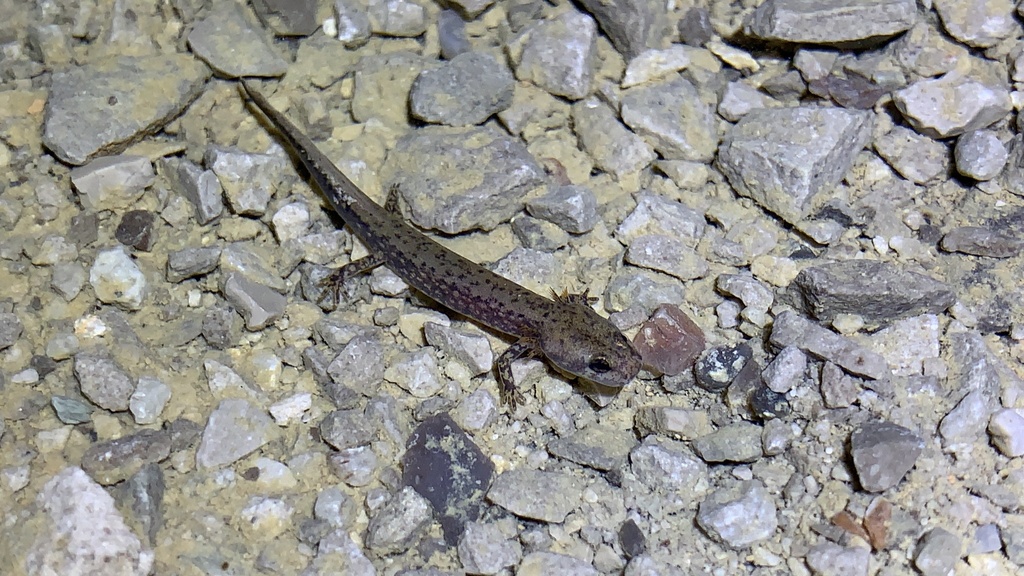
—observations
—countries
—peak records
Least ConcernConservation statusIUCN Red List categoriesLCNTVUENCREWEXLeast ConcernRed List categories, explained →
Diet & prey
- flies
- beetles
- spiders
Predators
- snakes
- larger salamanders
- raccoons
ThreatsCave disturbance, water pollution, quarrying, forest clearing, disease, and drying microclimates
HabitatsCave entrances, limestone crevices, springs, karst ravines, moist forest, and rocky stream margins
Life spanLikely more than ten years; detailed wild longevity is poorly documented
Size / weightNot available
Classification
- FamilyPlethodontidae
- SpeciesEurycea lucifuga
Range data is not available yet.
Interaction riskLow
- Low
- Moderate
- High
- Very high
- Why interaction risk is low
- Do not touch salamanders or enter restricted caves; skin and cave surfaces are easily damaged.
Responsible observation
- Color: Look for black spots scattered across a vivid orange body and tail.
- Cave care: Keep lights brief and remain on established cave routes.
Help improve the field guideSomething wrong?
Checking your Fauna account…Report a name, category, or profile issue for review.