
Amphibian
Long-tailed Salamander
Eurycea longicaudaAlso known as Longtail Salamander
Long-tailed salamanders are agile lungless amphibians recognized by their exceptionally long, slender tails marked with dark vertical herringbone bars. They spend their days beneath damp logs, limestone rocks, and in the twilight zones of caves, breathing entirely through their skin. On humid nights, they forage actively along rocky stream banks and forest floors for small invertebrates.
NocturnalAmphibianCave Dweller
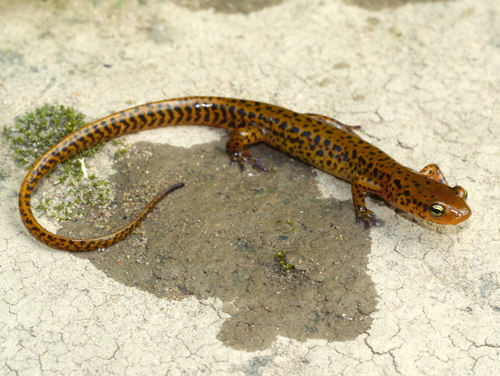
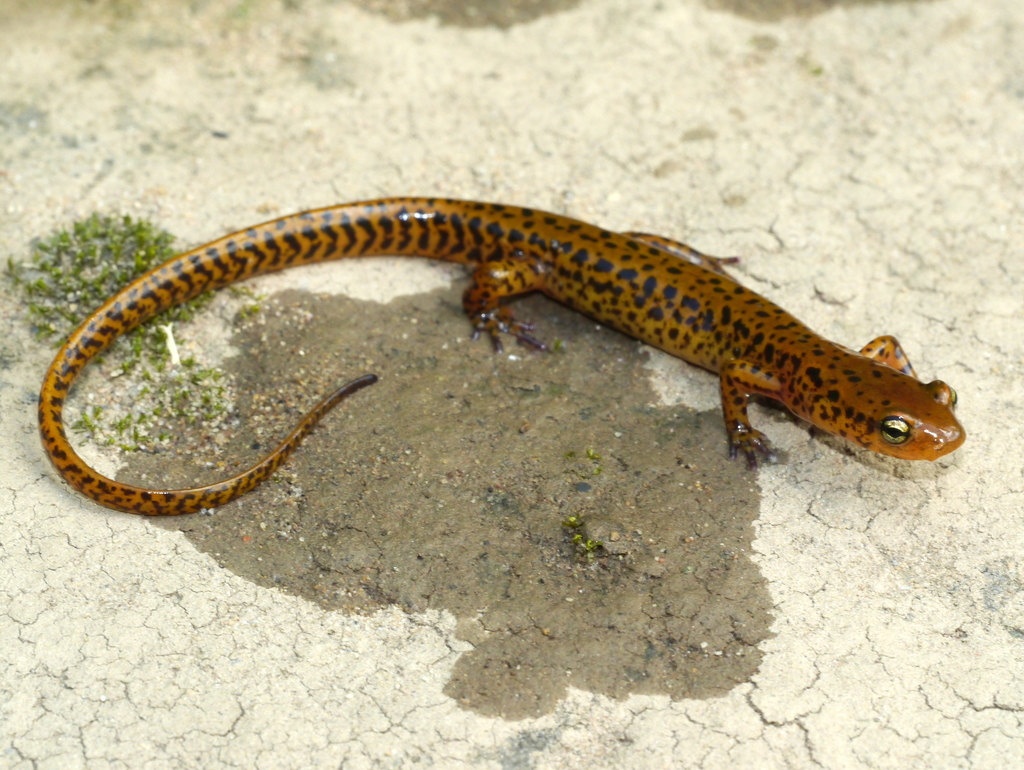
—observations
—countries
—peak records
Least ConcernConservation statusIUCN Red List categoriesLCNTVUENCREWEXLeast ConcernRed List categories, explained →
Diet & preySpiders, Beetles, Fly larvae
Predators
- Garter snakes
- Large frogs
- Woodland birds
ThreatsDeforestation, stream siltation, water pollution, and habitat fragmentation
HabitatsSprings, rocky streams, damp deciduous forests, and cave entrances
Life span6–10 years
Classification
- OrderCaudata
- FamilyPlethodontidae
- GenusEurycea
- SpeciesEurycea longicauda
Range data is not available yet.
Interaction riskLow
- Low
- Moderate
- High
- Very high
- Why interaction risk is low
- Safe to observe at a normal distance.
Responsible observation
- Spotting: Search around damp limestone rocks and cave entrances on humid nights.
- Handling: Refrain from handling to protect their porous skin from harmful chemicals and oils.
- Lighting: Use a red-filtered flashlight to observe nocturnal behaviors without causing distress.
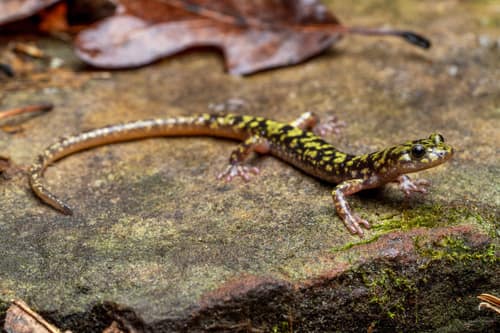
Co-occurring Species (c) evangrimes, some rights reserved (CC BY) · cc-by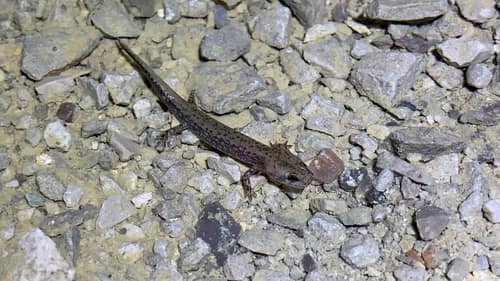
Close Relative (c) Nick Tobler (Cowturtle), some rights reserved (CC BY), uploaded by Nick Tobler (Cowturtle) · cc-by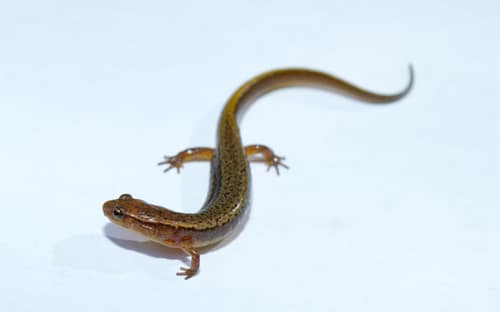
Genus Relative (c) Brian Gratwicke, some rights reserved (CC BY) · cc-by
Help improve the field guideSomething wrong?
Checking your Fauna account…Report a name, category, or profile issue for review.