
Amphibian · GBIF taxon 5218334
Siberian Salamander
Salamandrella keyserlingiiAlso known as Siberian Newt, Keyserling's Salamander
Siberian salamanders survive extreme freezing conditions by replacing body water with natural antifreeze chemicals, enabling survival in permafrost temperatures down to minus thirty-five degrees Celsius. Breeding begins immediately after the spring thaw, when females attach paired, twisted gel egg sacs to submerged vegetation in meltwater pools. Outside the aquatic breeding season, these terrestrial amphibians spend their days hidden beneath damp moss, fallen logs, and leaf litter across vast boreal forests.
AmphibianCold-TolerantTaiga
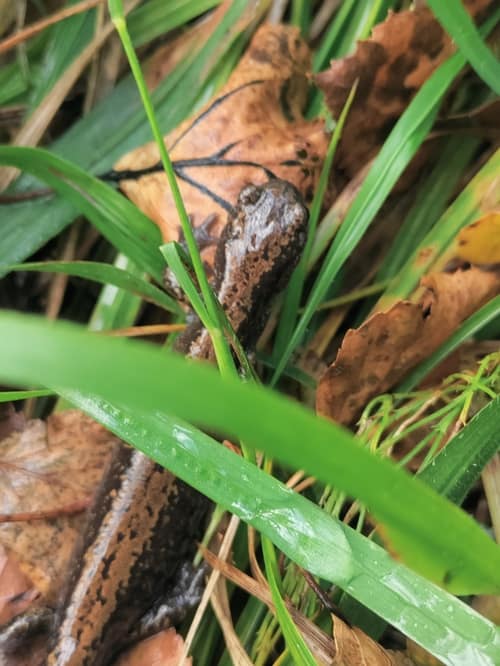
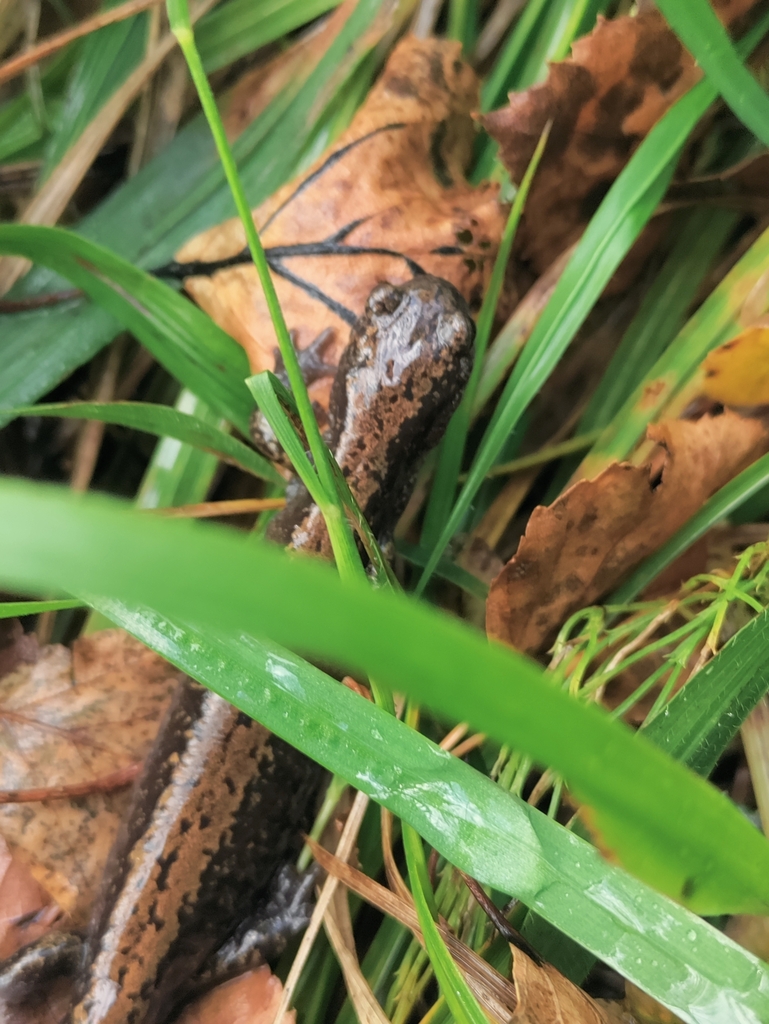
—observations
—countries
—peak records
Least ConcernConservation statusIUCN Red List categoriesLCNTVUENCREWEXLeast ConcernRed List categories, explained →
Diet & prey
- Earthworms
- Slugs
- Small insects
Predators
- Water birds
- Predatory water beetles
- Small mammals
ThreatsHabitat loss, wetland drainage, and localized climate shifts
HabitatsWet taiga forests, riparian groves, tundra margins, and shallow wetlands
Life span10–15 years
Size / weightNot available
Classification
- FamilyHynobiidae
- SpeciesSalamandrella keyserlingii
Range data is not available yet.
Interaction riskLow
- Low
- Moderate
- High
- Very high
- Why interaction risk is low
- Safe to observe at a normal distance.
Responsible observation
- Search in Spring: Look near shallow meltwater pools in taiga forests during the early thaw.
- Check Under Cover: Look beneath moist fallen logs, moss cushions, and leaf litter near water.
- Avoid Handling: Keep handling to a minimum to protect their delicate, moisture-sensitive skin.
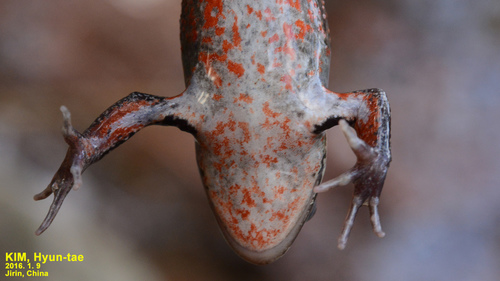
Frequent Companion (c) Kim, Hyun-tae, some rights reserved (CC BY), uploaded by Kim, Hyun-tae · cc-by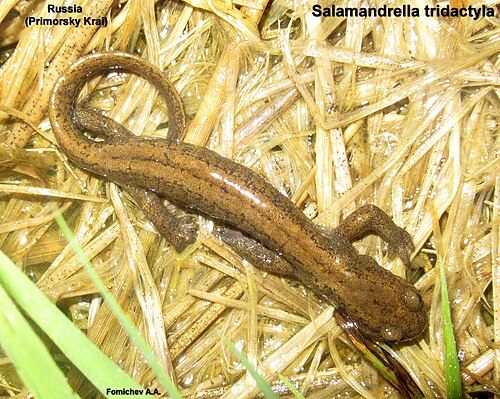
Close Relative Alexander A. Fomichev / CC BY 4.0 · cc-by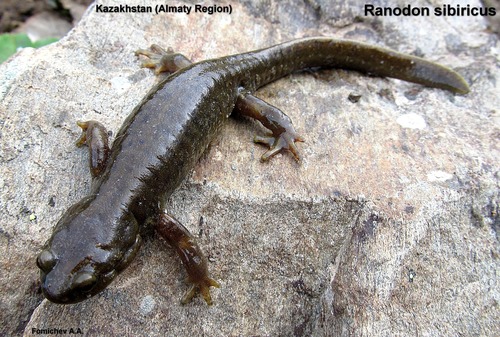
Primitive Relative (c) Alexander A. Fomichev, some rights reserved (CC BY), uploaded by Alexander A. Fomichev · cc-by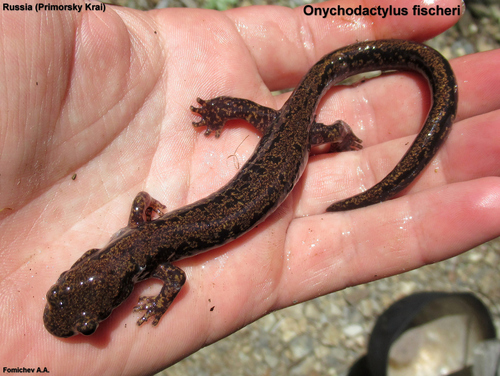
Regional Relative (c) Alexander A. Fomichev, some rights reserved (CC BY), uploaded by Alexander A. Fomichev · cc-by
Help improve the field guideSomething wrong?
Checking your Fauna account…Report a name, category, or profile issue for review.