
Amphibian
Desert Rain Frog
Breviceps macropsAlso known as Web-footed Rain Frog, Boulenger's Short-headed Frog
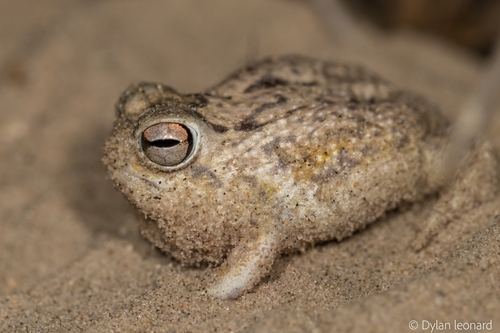
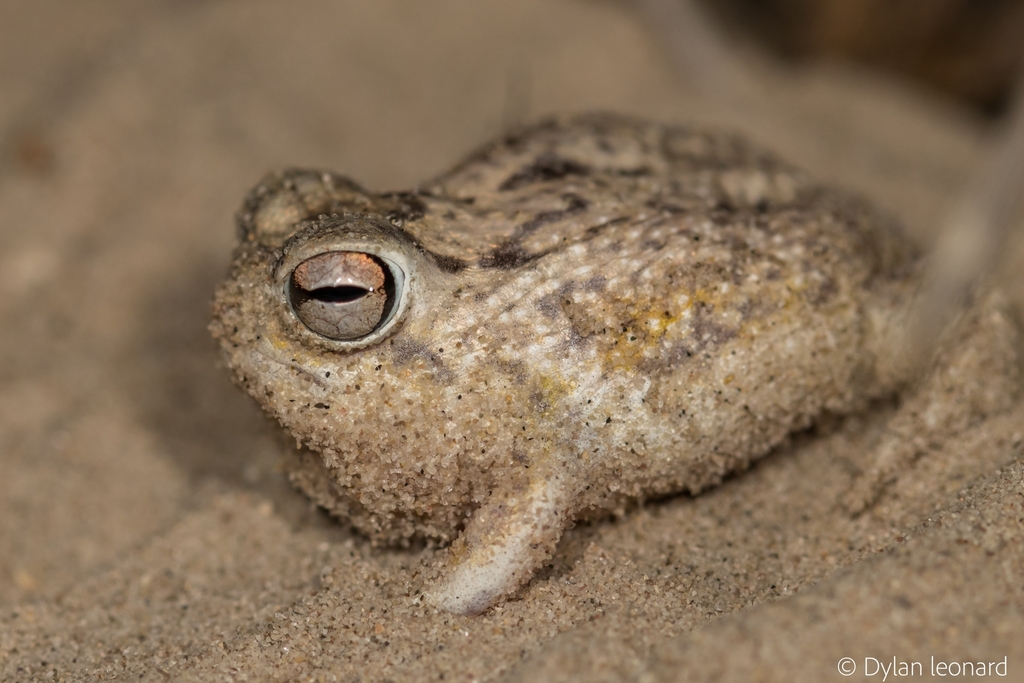
Desert rain frogs are plump, round amphibians famous for their surprisingly fierce, high-pitched squeak when alarmed. They spend hot arid days buried deep in moist, sub-surface sand dunes along coastal Namibia and South Africa, emerging on foggy nights to forage. Unlike most amphibians, they skip the free-swimming tadpole stage entirely, with eggs developing directly into fully formed froglets inside underground nests.
NocturnalBurrowingAmphibian
—observations
—countries
—peak records
VulnerableConservation statusIUCN Red List categoriesLCNTVUENCREWEXVulnerableRed List categories, explained →
Diet & preyTermites, Ants, Small beetles
Predators
- Black-backed jackals
- Snakes
- Birds of prey
ThreatsCoastal diamond mining, tourism development, and habitat fragmentation
HabitatsCoastal sand dunes and arid sandy shores
Life span4–10 years
Classification
- OrderAnura
- FamilyBrevicipitidae
- GenusBreviceps
- SpeciesBreviceps macrops
Range data is not available yet.
Interaction riskLow
- Low
- Moderate
- High
- Very high
- Why interaction risk is low
- Safe to observe at a normal distance.
- What to notice
- Recognize by its globose, yellowish-brown body, webbed feet, and high-pitched defensive squeak.
- Support conservation
- Observe strictly from a distance without disturbing dune vegetation or digging up burrow sites.
Responsible observation
- Night Spotting: Look for small tracks on wet sand dunes during foggy, humid nights.
- Listen Closely: Listen for distinct, squeaky defense calls echoing across coastal dunes.
- Tread Lightly: Stick to established paths to prevent collapsing fragile underground burrows.
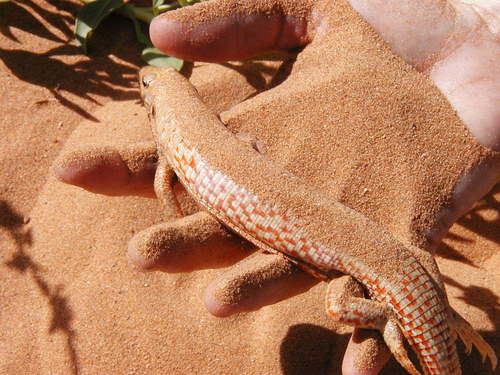
Co-habitatant (c) redrovertracy, some rights reserved (CC BY), uploaded by redrovertracy · cc-by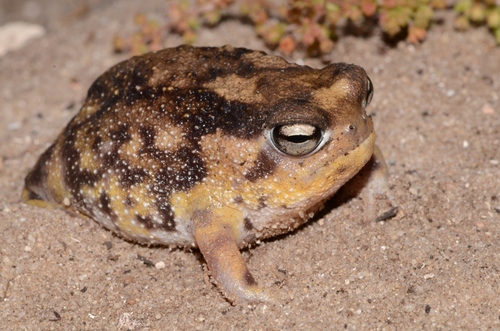
Close Relative no rights reserved, uploaded by Marius Burger · cc0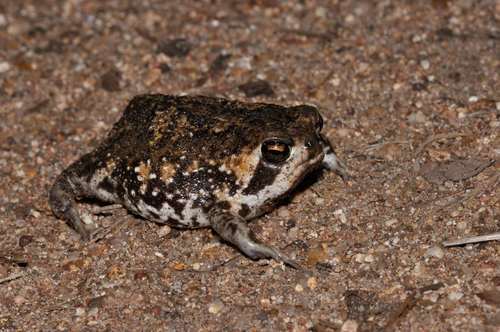
Close Relative (c) Andrew Hankey, some rights reserved (CC BY-SA), uploaded by Andrew Hankey · cc-by-sa
Help improve the field guideSomething wrong?
Checking your Fauna account…Report a name, category, or profile issue for review.