
Amphibian · GBIF taxon 5218020
Golden Poison Dart Frog
Phyllobates terribilisAlso known as Golden Poison Frog, Golden Dart Frog, Golden Poison Arrow Frog
Golden poison dart frogs stand out among rainforest amphibians with their vivid metallic yellow, orange, or green skin that signals extreme toxicity to potential predators. Diurnal by nature, these rainforest inhabitants spend their days foraging through damp leaf litter for small invertebrates that help fuel their deadly skin secretions. Males carry hatched tadpoles on their backs to small water pools high in plant leaves, guarding them until they metamorphose.
PoisonousDiurnalRainforest
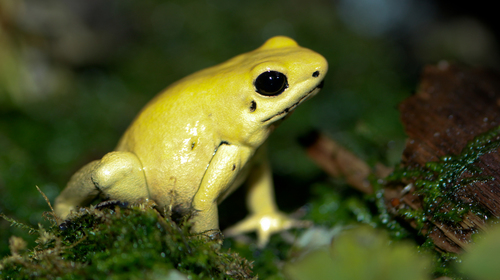
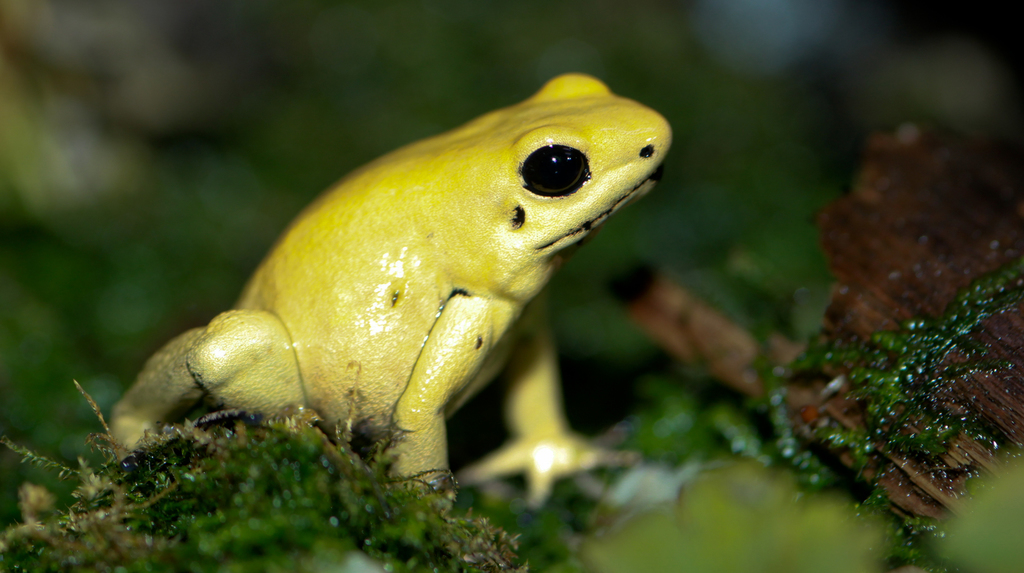
Licensed reference(c) Brian Gratwicke, some rights reserved (CC BY) · cc-by
—observations
—countries
—peak records
EndangeredConservation statusIUCN Red List categoriesLCNTVUENCREWEXEndangeredRed List categories, explained →
Diet & prey
- Ants
- Beetles
- Termites
Predators
- Fire-bellied Snake (Erythrolamprus epinephelus)
ThreatsDeforestation, agricultural expansion, habitat fragmentation, illegal collection
HabitatsLowland tropical rainforests along the Pacific coast
Life span10–15 years
Classification
- OrderAnura
- FamilyDendrobatidae
- GenusPhyllobates
- SpeciesPhyllobates terribilis
Range data is not available yet.
Interaction riskHigh
- Low
- Moderate
- High
- Very high
- Why interaction risk is high
- Skin secretions contain deadly batrachotoxin; never touch or handle under any circumstances.
- Why it is dangerous
- Secretes batrachotoxin, an extremely potent neurotoxin that disrupts nerve signals, causing muscular paralysis, respiratory failure, and cardiac arrest.
- How to recognize a risky encounter
- Small, diurnal frog with solid bright yellow, orange, or mint-green skin lacking dark spots or stripes.
- What to do
- Never touch or handle wild individuals, as skin contact can transfer fatal neurotoxins into the body.
- What to notice
- Recognized by its bright, solid warning coloration and high-pitched trilling call in Colombian rainforests.
- Support conservation
- Keep a respectful distance, avoid sharing precise coordinates, and never remove frogs or egg clutches from the wild.
Responsible observation
- Observation: Observe quiet, low-angle activity around damp leaf litter where these diurnal frogs forage.
- Strict Hands-Off: Never touch or handle, as deadly neurotoxins can absorb through tiny skin breaks or eyes.
- Habitat Respect: Refrain from flipping logs or disturbing leaf litter to protect delicate microhabitats.
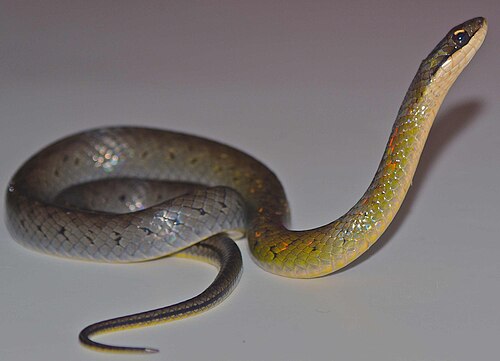
Predator Álvaro Velásquez / CC BY-SA 2.0 · cc-by-sa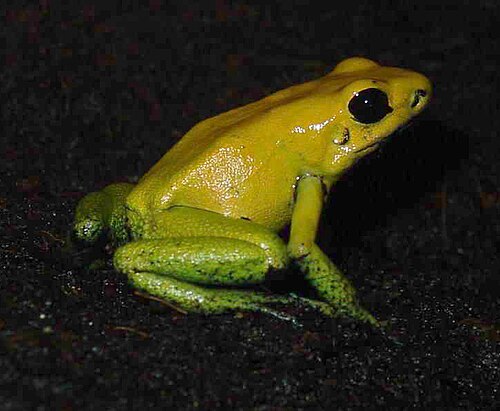
Close Relative Luis Miguel Bugallo Sánchez (Lmbuga) Copyright: GFDL (GNU Free Documentation License) Publicada por/Publish by: Luis Miguel Bugallo Sánchez / CC BY-SA 3.0 · cc-by-sa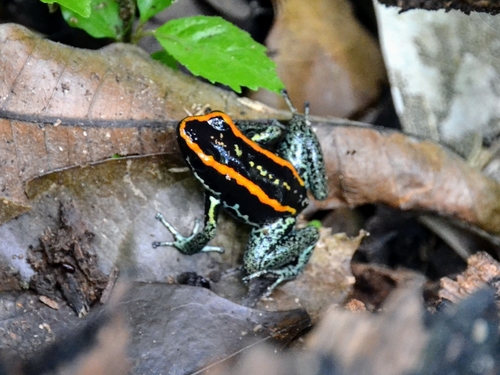
Close Relative (c) Pirataber, some rights reserved (CC BY) · cc-by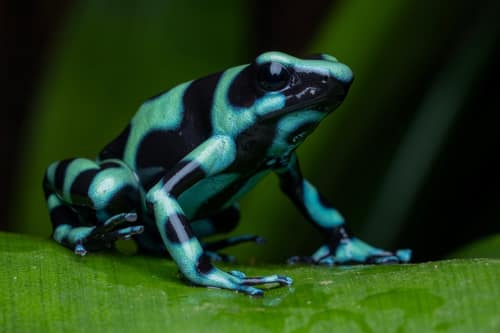
Family Member (c) Matt Felperin, some rights reserved (CC BY), uploaded by Matt Felperin · cc-by
Help improve the field guideSomething wrong?
Checking your Fauna account…Report a name, category, or profile issue for review.