
Amphibian
Painted Reed Frog
Hyperolius marmoratusAlso known as Marbled Reed Frog
Renowned for dazzling polymorphic patterns ranging from bold longitudinal stripes to black-and-yellow polka dots, painted reed frogs cling to wetland vegetation using adhesive toe pads. During the breeding season, males congregate around water bodies after dusk, inflating enormous vocal sacs to emit piercing, high-pitched whistling calls. By day, they often sit motionless in direct sunlight on reed stems, folding their bright red feet snugly beneath their bodies to minimize evaporative water loss.
ColorfulAmphibianNocturnal
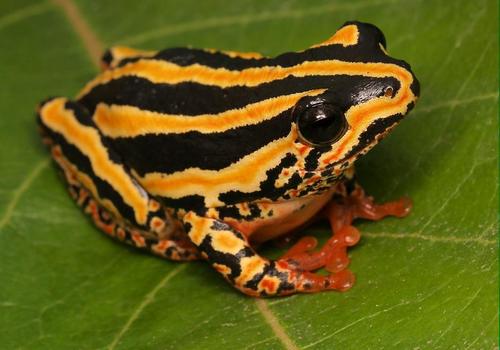
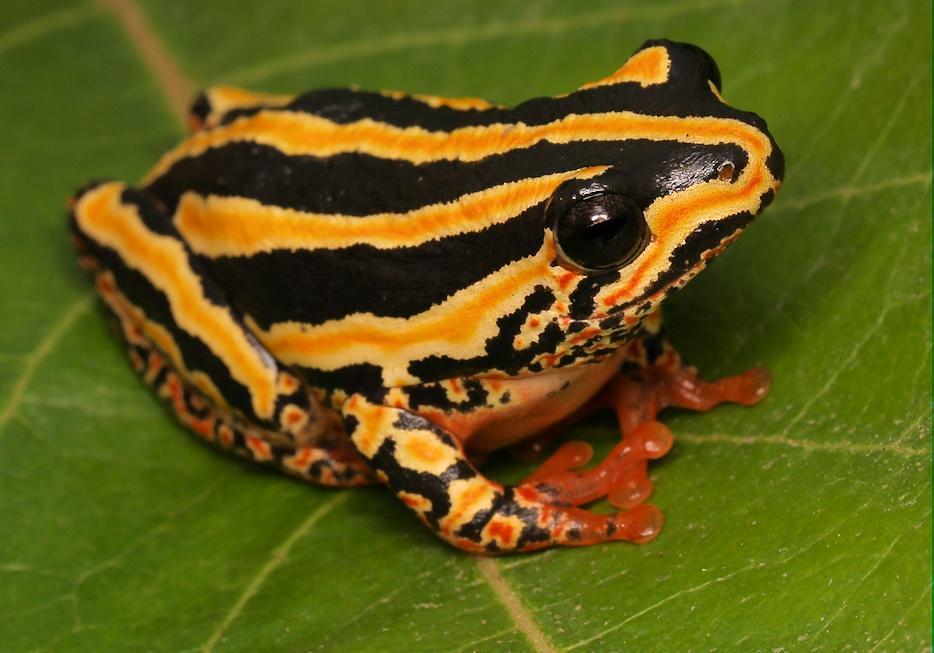
—observations
—countries
—peak records
Least ConcernConservation statusIUCN Red List categoriesLCNTVUENCREWEXLeast ConcernRed List categories, explained →
Diet & preyMosquitoes, Midges, Small Moths
Predators
- Herald Snake
- Little Egret
- Fishing Spider
ThreatsWetland degradation, pesticide runoff, and water drainage
HabitatsSwamps, reedbeds, flooded grasslands, pans, and garden ponds
Life span3–5 years
Classification
- FamilyHyperoliidae
- SpeciesHyperolius marmoratus
Range data is not available yet.
Interaction riskLow
- Low
- Moderate
- High
- Very high
- Why interaction risk is low
- Harmless to humans; safe to observe from a normal distance.
Responsible observation
- Night Spotting: Look among tall reeds and sedges along pond margins using a headlamp after dark.
- Listen for Calls: Males generate a loud, musical pop or whistle that makes locating breeding choruses simple.
- Gentle Viewing: Avoid handling because amphibians readily absorb salts and chemicals through delicate skin.
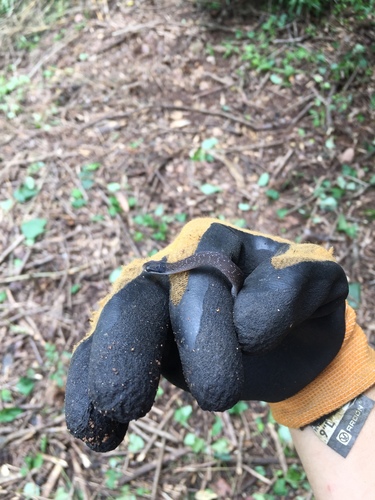
Predator (c) Sunčana Bradley, some rights reserved (CC BY) · cc-by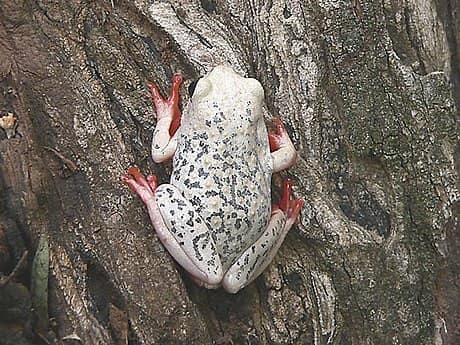
Close Relative (c) ChriKo, some rights reserved (CC BY-SA) · cc-by-sa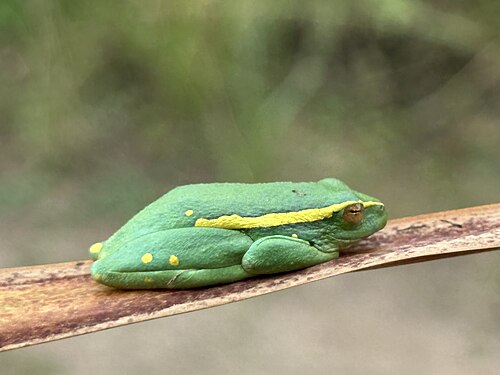
Close Relative Richard N Horne / CC BY 4.0 · cc-by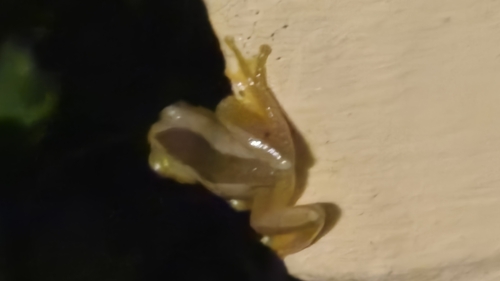
Same Family no rights reserved · cc0
Help improve the field guideSomething wrong?
Checking your Fauna account…Report a name, category, or profile issue for review.