
Amphibian · GBIF taxon 5217521
Mountain Chicken
Leptodactylus fallaxAlso known as Giant Ditch Frog, Crapaud
Mountain chickens rank among the largest frogs in the world, renowned for their booming, whooping nocturnal calls that echo across Caribbean ravines. Unlike most amphibians, they breed entirely on land inside underground burrows, where females lay a foamy nest and feed unfertilized trophic eggs to their developing tadpoles. Once a staple cultural delicacy and dominant forest predator, this immense frog was decimated in a matter of years by the amphibian chytrid fungus and volcanic activity.
NocturnalTerrestrial
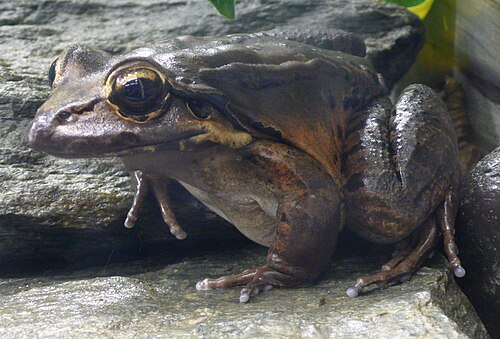
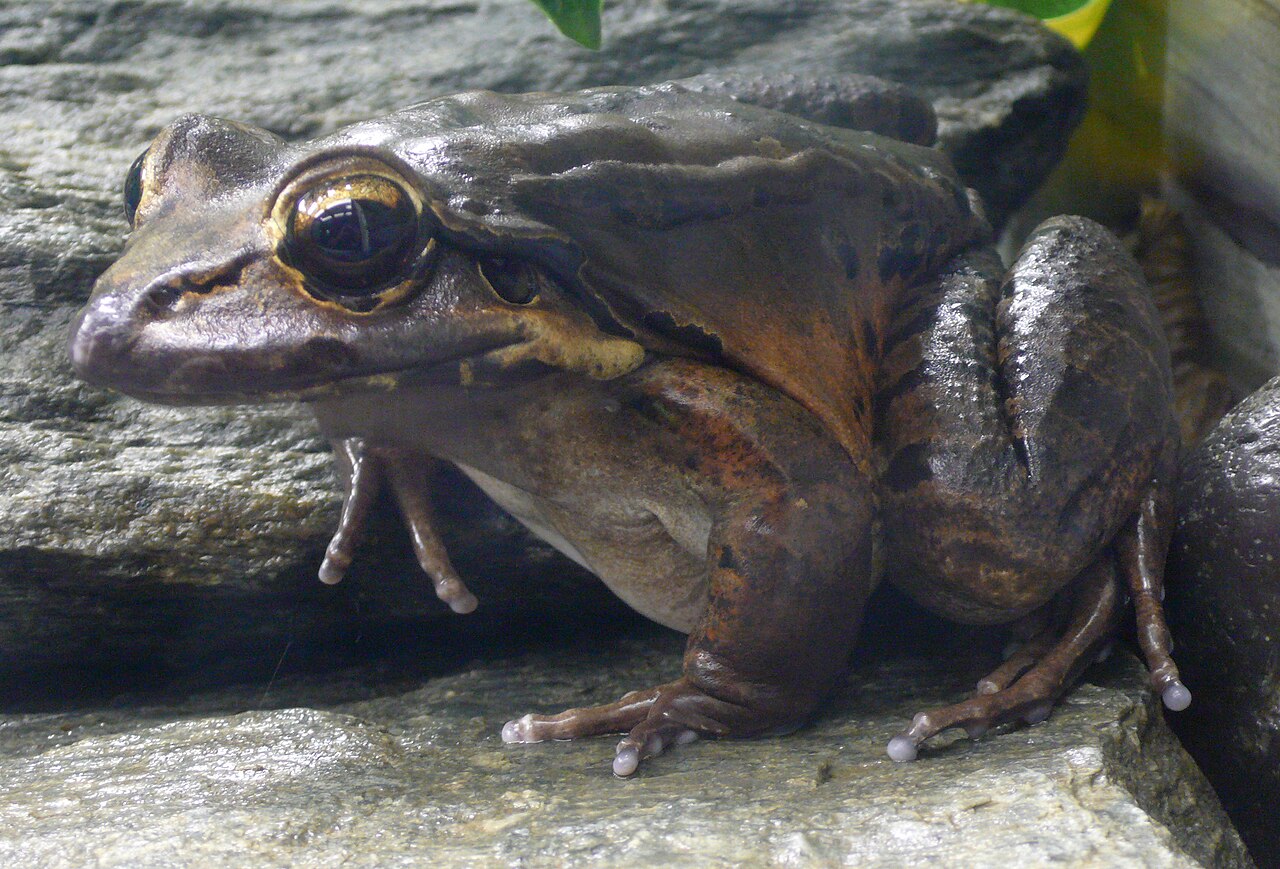
Licensed referenceTimVickers / Public domain · cc0
—observations
—countries
—peak records
Critically EndangeredConservation statusIUCN Red List categoriesLCNTVUENCREWEXCritically EndangeredRed List categories, explained →
Diet & prey
- Land Crabs
- Large Crickets
- Millipedes
Predators
- Small Indian Mongoose
- Feral Cat
- Black Rat
ThreatsChytridiomycosis, volcanic eruptions, habitat loss, invasive predators, and historical overhunting
HabitatsDense primary and secondary rainforests, moist ravines, and scrub forest
Life span12–15 years
Classification
- FamilyLeptodactylidae
- SpeciesLeptodactylus fallax
Range data is not available yet.
Interaction riskLow
- Low
- Moderate
- High
- Very high
- Why interaction risk is low
- Harmless to humans; safe to observe from a respectful distance without touching.
- What to notice
- Massive reddish-brown to chestnut frog with bold yellow flank marbling and powerful hind legs.
- Support conservation
- Never touch or disturb wild individuals; report sightings immediately to local forestry or conservation officers.
Responsible observation
- Maintain strict biosecurity: Disinfect all footwear and gear before entering forest trails to avoid spreading chytrid spores.
- Do not handle: Wild populations are exceptionally fragile, and touching can transmit lethal pathogens across their permeable skin.
- Listen at night: Listen for their distinctive, dog-like barking calls in humid forested valleys during evening hours.
 Image unavailable
Neighbor 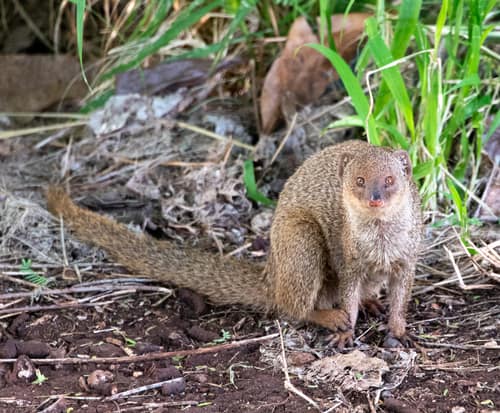
Predator (c) Don Loarie, some rights reserved (CC BY), uploaded by Don Loarie · cc-by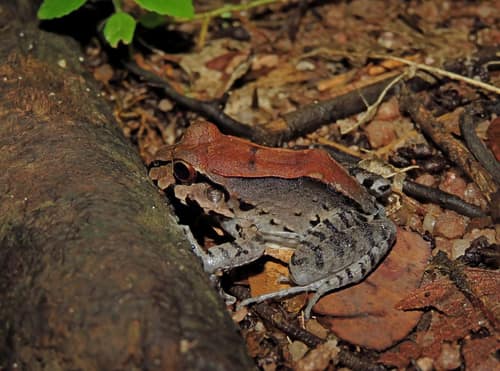
Close Relative (c) Sidnei Dantas, some rights reserved (CC BY-SA) · cc-by-sa
Help improve the field guideSomething wrong?
Checking your Fauna account…Report a name, category, or profile issue for review.