
Amphibian
Xizang Alpine Toad
Scutiger boulengeriAlso known as Boulenger's Alpine Toad, Boulenger's Lazy Toad, Himalayan Cat-eyed Toad
Xizang alpine toads are high-altitude specialists adapted to the harsh montane environments of the Himalayas and Tibetan Plateau. They spend much of their time sheltering under boulders along cold glacial streams and alpine meadows. During the short summer breeding season, males produce low-pitched calls from beneath partially submerged rocks to attract females.
High-altitudeAmphibianAlpine
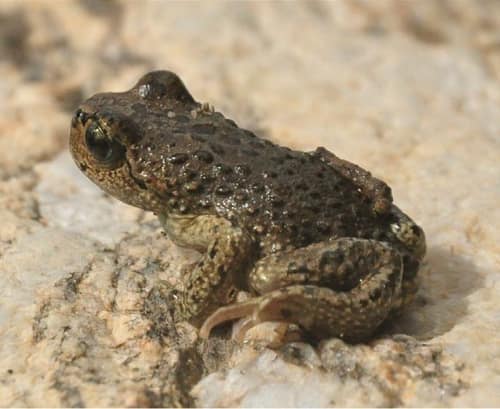
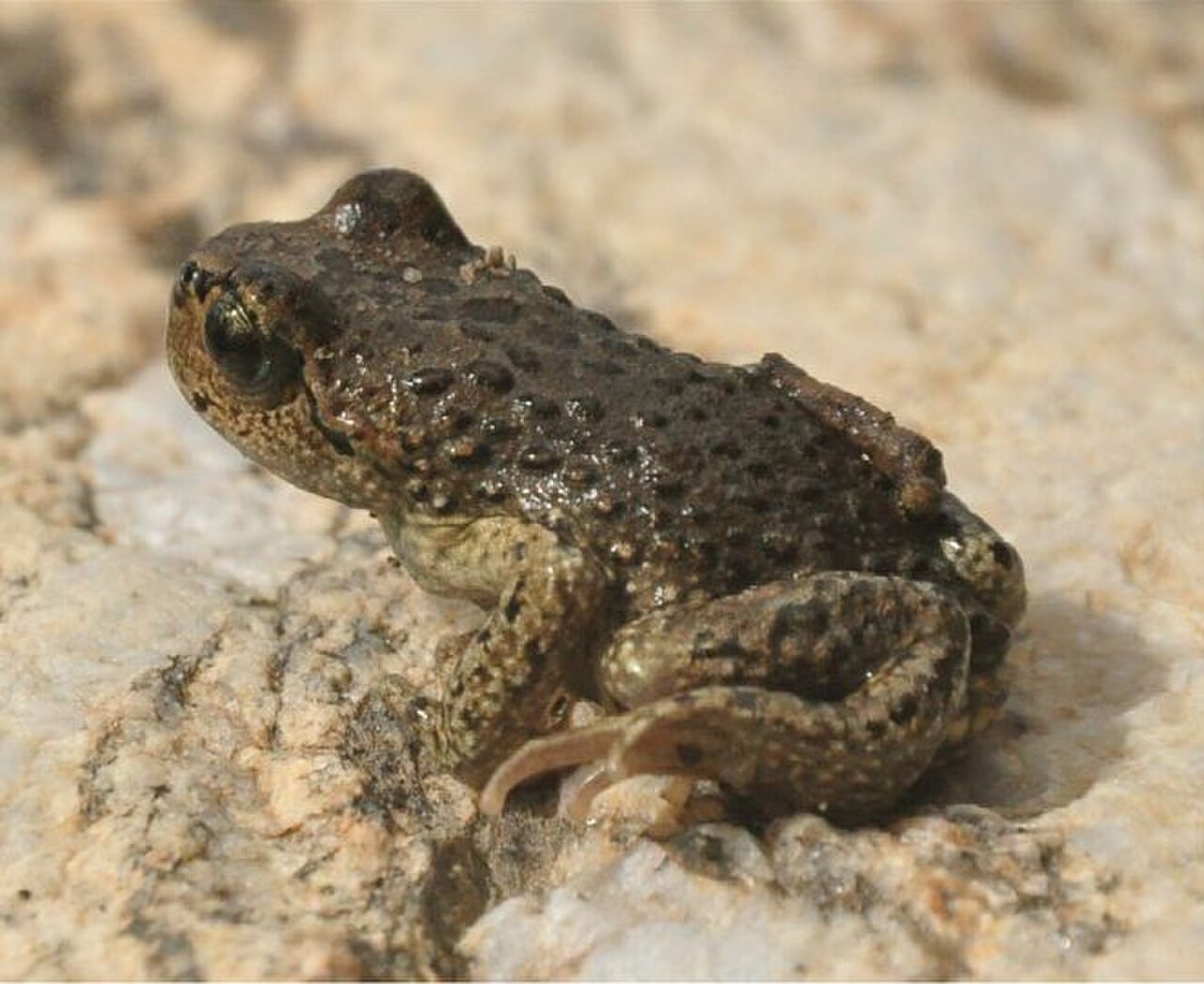
—observations
—countries
—peak records
Least ConcernConservation statusIUCN Red List categoriesLCNTVUENCREWEXLeast ConcernRed List categories, explained →
Diet & preyBeetles, Fly larvae, Spiders
Predators
- High-altitude snakes
- Waterbirds
- Small mammals
ThreatsClimate change, habitat degradation, stream pollution
HabitatsAlpine meadows, glacial mountain streams, rocky stream banks
Life span5–10 years
Classification
- FamilyMegophryidae
- SpeciesScutiger boulengeri
Range data is not available yet.
Interaction riskLow
- Low
- Moderate
- High
- Very high
- Why interaction risk is low
- Safe to observe at a normal distance.
- What to notice
- Look for a stocky, dark brown or greyish toad hiding under rocks along mountain streams above 3,000 meters elevation.
- Support conservation
- Observe without handling, and refrain from moving rocks or altering stream flows in breeding pools.
Responsible observation
- Stream Search: Look carefully under loose stones along cold alpine streams, taking care to return rocks gently.
- Night Observation: Use a red light flashlight to search stream margins after sunset without disturbing nocturnal activity.
- Minimize Disturbance: Avoid stepping into fragile glacial pools where eggs and overwintering tadpoles develop.
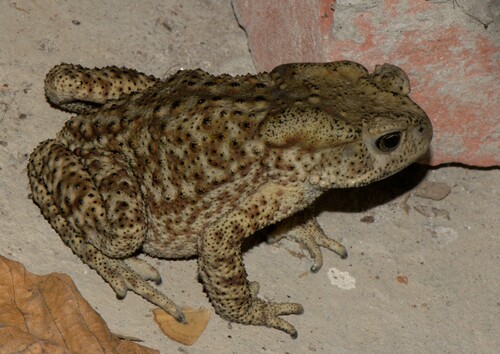
Co-occurring Species (c) Ramnarayan K, some rights reserved (CC BY), uploaded by Ramnarayan K · cc-by Image unavailable
Family Relative
Help improve the field guideSomething wrong?
Checking your Fauna account…Report a name, category, or profile issue for review.